














The foods you choose for breakfast hold significant sway over your heart health. Prioritizing meals that are rich in whole grains, fruits, vegetables, lean proteins, nuts, and healthy fats not only nourishes your body but also fortifies your cardiovascular system. These nutrient-dense options are loaded with fiber, antioxidants, and heart-healthy fats while minimizing the intake of saturated fats, added sugars, and excessive sodium.
Whole Wheat Pancakes with Strawberries
Nutritional Profile
– Serving size: 1 small pancake
– Calories: 120
– Fiber: 3 grams
Selecting whole wheat flour over white flour is a smart choice, as it enhances fiber content, which may help lower cholesterol levels and maintain steady blood sugar levels. Incorporating oats into your pancake batter can further boost fiber intake. Topped with strawberries, they deliver a dose of antioxidants and vitamin C, both vital for supporting optimal blood vessel health.
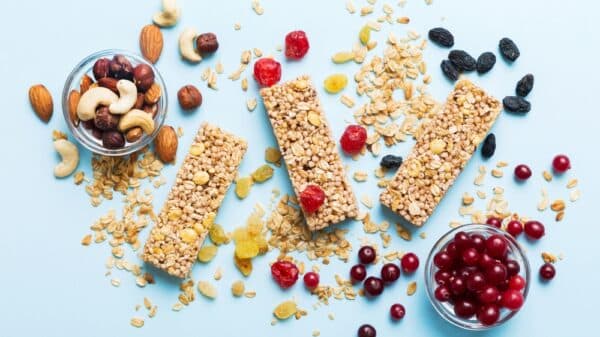
Oat Avocado-Berry Breakfast Bars
Nutritional Profile
– Serving size: 1 bar
– Calories: 152
– Fiber: 4 grams
Oats are well-known for their ability to help reduce LDL cholesterol, also referred to as “bad” cholesterol. The inclusion of avocado introduces monounsaturated fats, which can be beneficial for heart health, while berries add a bounty of antioxidants. Together, these ingredients create a convenient, nutrient-rich breakfast bar packed with fiber and healthy fats, promoting anti-inflammatory benefits and supporting cardiovascular well-being.
Egg, Avocado, and Black Bean Breakfast Burrito
Nutritional Profile
– Serving size: 1 burrito
– Calories: 289
– Fiber: 10 grams
This delicious burrito offers a harmonious blend of protein and healthy fats. Eggs provide high-quality protein, avocado contributes heart-healthy fats, and black beans enhance the dish with both plant protein and fiber, which are instrumental in lowering cholesterol levels. Wrapping this filling mixture in a whole-grain tortilla boosts its fiber content, making it a satisfying meal.
Black Bean Chilaquiles
Nutritional Profile
– Serving size: 3/4 cup
– Calories: 235
– Fiber: 4 grams
This vibrant breakfast option features black beans as a protein source, making it a heart-friendly dish. Black beans are rich in soluble fiber, which is beneficial for binding and removing cholesterol from the digestive system. Pairing them with whole-grain tortilla piecesand a vegetable-rich salsa results in a hearty and fulfilling breakfast that promotes cardiovascular health.
Greek Yogurt with Whole-Grain Cereal and Berries
Nutritional Profile
– Serving size: 1 cup of yogurt with 1/4 cup of cereal and 1/2 cup of berries
– Calories: 287
– Fiber: 4 grams
Greek yogurt stands out for its high protein content, making it a filling breakfast option that can help stave off mid-morning hunger. When paired with whole-grain cereal and berries, you introduce antioxidants and additional fiber into your meal. The combination not only supports digestive health but also contributes positively to heart health by managing cholesterol levels and providing essential nutrients.
Incorporating these heart-healthy breakfast options into your daily routine can make a significant difference in your overall well-being. With every bite, you’re not just satisfying your hunger; you’re also nurturing your heart.
Incorporating healthy breakfast options into your daily routine not only fuels your body but also plays a significant role in maintaining heart health. Below, we explore delicious breakfast ideas that are rich in nutrients and beneficial for cardiovascular wellness.
Whole-Grain Cereal with Berries
- Serving Size: 1 cup of whole-grain cereal
- Calories: Approximately 200
- Fiber: 5 grams
This nutritious breakfast starts your day off right. Whole-grain cereals are excellent sources of dietary fiber, promoting digestive health and keeping you full longer. Adding berries not only enhances the flavor but also boosts antioxidant intake, contributing natural sweetness that can reduce the desire for added sugars.
Whole-Grain English Muffin with Peanut Butter and Apple Slices
- Serving Size: 1 English muffin, 2 tablespoons of peanut butter, and half an apple
- Calories: 383
- Fiber: 7 grams
This combination is packed with heart-healthy ingredients. The whole grains provide essential fiber, while peanut butter delivers healthy unsaturated fats. Apples contribute both fiber and a wealth of antioxidants. Opting for this meal over more processed breakfast options ensures a steady energy release without the unhealthy saturated fats.
Cinnamon Quinoa with Peaches
- Serving Size: 1 cup
- Calories: 254
- Fiber: 4 grams
Quinoa is a powerhouse whole grain, offering complete protein and high fiber content which can support heart health. Pairing it with cinnamon, known for its potential benefits in blood sugar management, and peaches, rich in vitamins and antioxidants, creates a balanced meal that supports overall wellbeing.
Turkey Bacon and Spinach Quiche
- Serving Size: 2 wedges
- Calories: 136
- Fiber: 3 grams
Utilizing lean turkey bacon instead of traditional options lowers both saturated fat and sodium levels in this quiche. Spinach adds essential potassium that aids in blood pressure regulation. Combined with eggs, which provide vital nutrients like choline, this hearty dish promotes both satiety and health.
Sliced Fruit with Honey-Vanilla Yogurt Dip
- Serving Size: 1/2 cup of yogurt and 1 cup of sliced fruit
- Calories: 194
- Fiber: 3 grams
Fresh fruit is bursting with essential vitamins, minerals, and fiber, while the yogurt adds protein to the mix. This dip is a smart alternative to sugary baked goods, helping to manage added sugar consumption—an important factor in curbing heart disease risk.
Smoked Salmon Bagel
- Serving Size: 1 whole-grain bagel, 2 oz of smoked salmon, and 1/4 cup of avocado
- Calories: 386
- Fiber: 4 grams
Salmon is renowned for its high omega-3 fatty acid content, which can reduce inflammation, lower triglyceride levels, and support heart rhythm stability. Choosing a whole-grain bagel means added fiber and less impact on your blood sugar levels. Top your bagel with creamy avocado for an extra dose of healthy fats.
What This Means For You
Incorporating breakfasts rich in whole grains, fruits, beans, vegetables, lean proteins, and healthy fats can substantially benefit your health. Regular consumption of these nutrient-dense meals promotes balanced cholesterol levels and encourages healthy blood pressure. Transitioning just a few of these breakfast options into your week can lead to long-term improvements in heart health.
Image Source: Unsplash