













Antioxidants are vital compounds found in various foods, including pomegranates, but they are certainly not exclusive to this fruit.
A diverse, colorful diet rich in plant-based foods is essential for obtaining a broad spectrum of antioxidants that collaborate to enhance heart, brain, immune function, and overall longevity.
1. Blueberries
Among the most powerful sources of antioxidants, blueberries are especially rich in anthocyanins, the pigments responsible for their vibrant blue-purple hue. These compounds are associated with improved brain health, reduced inflammation, and a decreased risk of heart-related diseases.
Research indicates that routine consumption of blueberries can safeguard brain cells from oxidative stress—an imbalance that contributes to cognitive decline as we age.
2. Blackberries
Blackberries are packed with a variety of antioxidants including anthocyanins, ellagic acid, and vitamin C, all working harmoniously to combat oxidative stress. This potent mix supports immune defense, protects DNA, and enhances skin and vascular health.
Some studies suggest that blackberries may exceed blueberries in overall antioxidant levels, reinforcing the importance of including both in your diet.
3. Walnuts
Walnuts boast remarkably high levels of polyphenols and vitamin E, both of which play a significant role in protecting the fats in your body from oxidative harm.
Rich in omega-3 fatty acids, these nuts help mitigate inflammation, promote brain health, and enhance vascular function.
4. Dark Chocolate
Dark chocolate is a lavish source of flavanols, plant-based compounds known to enhance blood flow, lower blood pressure, and protect against oxidative damage to cholesterol levels.
The antioxidant content of dark chocolate increases with higher cocoa levels, especially epicatechin and catechin, compounds that are also present in green tea. Opt for varieties with at least 70-85% cocoa for maximum health benefits.
5. Pecans
Pecans are abundant in polyphenolic compounds such as ellagic acid and flavonoids, which neutralize free radicals that cause cell damage. They also assist in protecting against the oxidation of low-density lipoprotein (LDL), which is a contributor to plaque buildup and artery blockages.
Their rich antioxidant content combined with heart-healthy monounsaturated fats makes pecans an ideal snack choice.
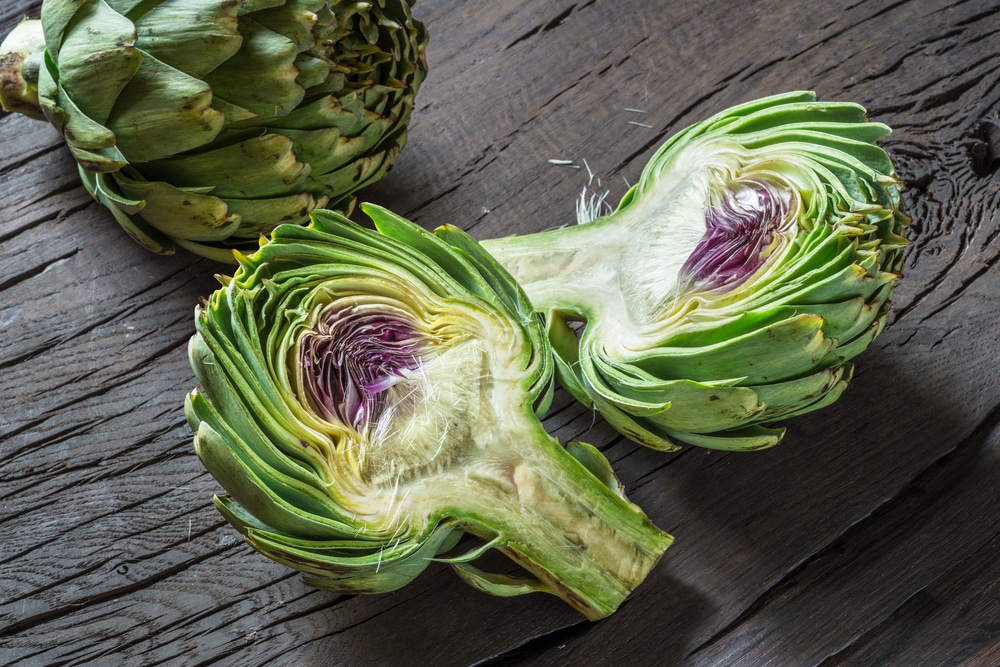
6. Artichokes
Artichokes are loaded with potent antioxidants such as chlorogenic acid, quercetin, and rutin, which play a vital role in supporting natural detoxification and reducing inflammation.
Additionally, they are rich in inulin, a prebiotic fiber that fosters a healthy gut microbiome, essential for overall wellness.
7. Cranberries
Cranberries are notably high in proanthocyanidins, a distinctive antioxidant that prevents bacteria from adhering to the urinary tract, thereby lowering infection risks.
They also feature flavonols and vitamin C, both of which bolster immune function and heart health. When consuming cranberries, choose fresh or lightly sweetened dried varieties to sidestep added sugars that might detract from their benefits.
8. Goji Berries
Known for their vibrant orange-red color, goji berries are rich in zeaxanthin and beta-carotene, two powerful antioxidants that shield the skin and eyes from oxidative stress and UV damage. They also offer vitamin C and polysaccharides, which enhance immune support.
9. Kidney Beans
Kidney beans are rich in flavonoids, phenolic acids, and manganese, a mineral with antioxidant properties.
These elements contribute to reducing oxidative damage, stabilizing blood sugar levels, and promoting heart health. Plus, their fiber and protein content make kidney beans a highly nutritious option.
10. Green Tea
Green tea is celebrated for its high concentration of catechins, particularly epigallocatechin gallate (EGCG), which not only combats inflammation but also protects brain cells and may enhance metabolic processes.
Regular consumption of green tea is associated with improved cardiovascular health and a potential reduction in certain cancer risks.
What Do Antioxidants Do?
Antioxidants are crucial for protecting cells from oxidative stress caused by free radicals, which are generated from various sources, including pollution, UV exposure, and an unhealthy diet. The body also produces free radicals during normal metabolic and inflammatory processes.
Oxidative stress is associated with a range of chronic health issues such as:
- Diabetes
- Heart disease
- Premature aging
Antioxidants mitigate the effects of free radicals, aiding in reducing inflammation, boosting immune response, and ensuring the smooth operation of your body’s systems.
Consuming a variety of foods rich in antioxidants, including fruits, vegetables, nuts, and teas, is key to building a robust defense system and fostering long-term well-being.