











Key Insights
- Green tea is packed with antioxidants and contains caffeine, but it can interfere with the absorption of essential nutrients.
- This tea’s compounds may react with iron supplements, iron-rich foods, folic acid, caffeine, dairy products, and spicy or acidic dishes.
- To reduce the risk of interactions, it’s best to enjoy green tea one to two hours after taking any supplements. Consult your healthcare provider for personalized advice.
Green tea offers numerous health benefits due to its high antioxidant content, but it’s essential to be cautious about its interactions with certain foods and supplements. To maximize the benefits of green tea, consider avoiding it during meals that include iron, dairy, or acidic foods.
1. Iron Supplements
Green tea contains polyphenols like catechins and tannins, which can bind to iron and inhibit its absorption in the body. This interaction can potentially lead to low iron levels and deficiency.
It’s advisable to refrain from drinking green tea when taking iron supplements, as research indicates that it might reduce iron absorption by up to 90%.
If you plan to enjoy green tea and have concerns about iron deficiency, consult a healthcare professional. It’s recommended to wait at least one to two hours after taking an iron supplement before having your cup of tea.
2. Iron-rich Foods
Consuming green tea with iron-rich foods can negatively impact iron absorption. Some of these foods include:
- Fortified cereals
- Oysters
- Mussels
- Beef
- Spinach
- Beans
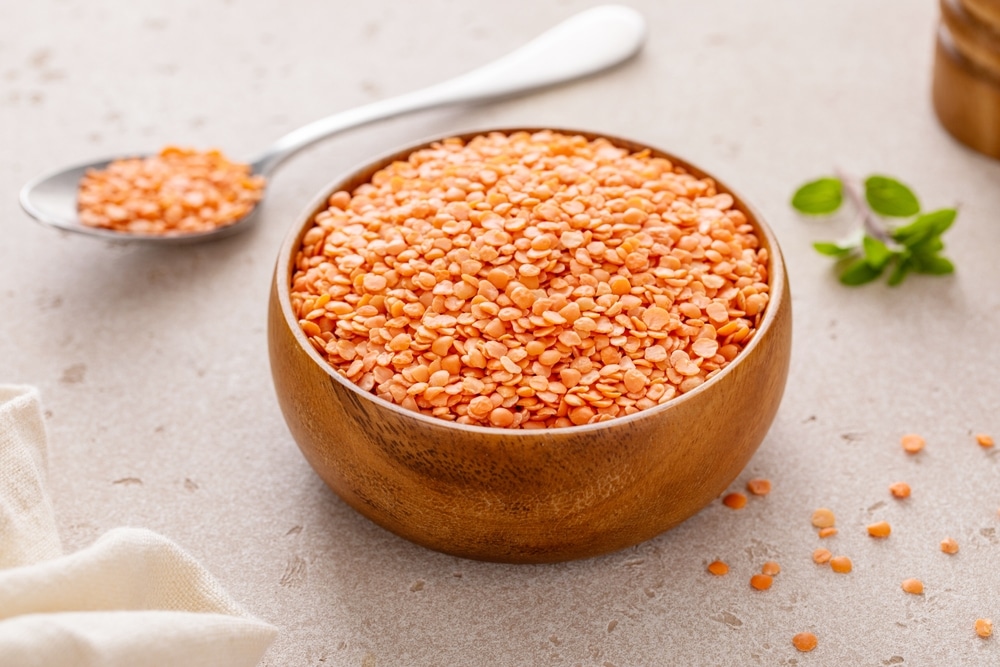
- Lentils
To minimize adverse effects on iron absorption, avoid drinking green tea during meals. Instead, brew a cup an hour or two after eating. Studies suggest that drinking green tea at least one hour before consuming iron-rich foods may enhance absorption.
Pairing iron-rich foods with vitamin C can further improve iron absorption. Consider adding vitamin C-rich items, such as broccoli, red bell peppers, citrus fruits, and strawberries, to your meals.
3. Folic Acid Supplements
The polyphenols found in green tea can inhibit the absorption of folate. The catechins in green tea bind to folic acid, thereby hampering the conversion to folate and its resultant absorption.
Folate (B9) is vital for cellular growth and neural tube development. Pregnant individuals need higher levels of folic acid for healthy fetal growth and to reduce the risk of congenital defects.
If you are pregnant, consult your healthcare provider regarding the safety of green tea consumption.
4. Caffeine Supplements
Green tea naturally contains caffeine, which stimulates the brain and nervous system. Drinking green tea alongside caffeine supplements or caffeinated beverages, such as coffee, may lead to side effects.
Overconsumption of caffeine can result in:
- Increased heart rate
- Elevated blood pressure
- Sleep disturbances
- Nausea
- Headaches
- Anxiety
Health experts generally recommend limiting daily caffeine intake to less than 400 milligrams, equivalent to the amount in two to three cups of coffee. One cup of green tea contains about 30 to 50 milligrams of caffeine.
5. Spicy or Acidic Foods
Green tea contains methylxanthines, which act as stimulants and may relax the lower esophageal sphincter (LES)—a muscle that prevents stomach acid from flowing back into the esophagus, potentially causing heartburn and acid reflux.
Consuming green tea can elevate the risk of heartburn, particularly when paired with spicy or acidic foods. To avoid discomfort, steer clear of having it alongside these types of foods.
Aside from interactions with certain foods and supplements, various medications can also interact negatively with green tea. It’s advisable to avoid drinking green tea with:
- Blood-thinning medications (anticoagulants)
- Blood pressure medications (beta-blockers)
- Cholesterol medications (statins)
Who Should Limit Green Tea Consumption?
Generally, green tea is safe for most healthy adults. However, certain individuals may need to take precautions. Consult with a healthcare professional before consuming green tea if you have any of the following conditions:
- Pregnancy
- Breastfeeding
- Anemia
- Diabetes
- Heart conditions
- Kidney disease
- Liver problems
- Stomach ulcers
Due to its caffeine content, children are generally advised against consuming green tea.
How to Reduce Interaction Risks
You don’t have to forgo green tea entirely; you can still enjoy it while minimizing interaction risks. To prevent absorption issues, drink green tea at least one to two hours apart from meals or supplements. Keep an eye on your total caffeine intake, ensuring it stays below 400 milligrams per day.
If you have concerns about how green tea might interact with your medications or supplements, consult your healthcare provider. This is particularly important for individuals with anemia, as green tea’s properties might exacerbate this condition.