





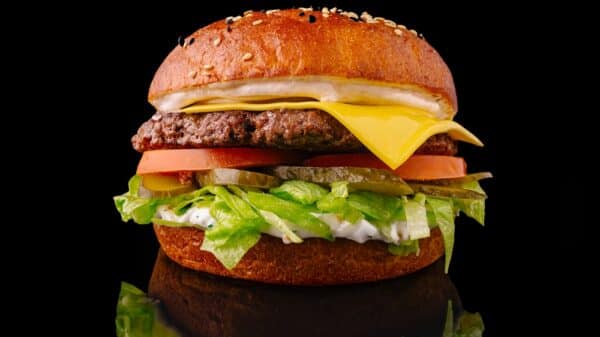









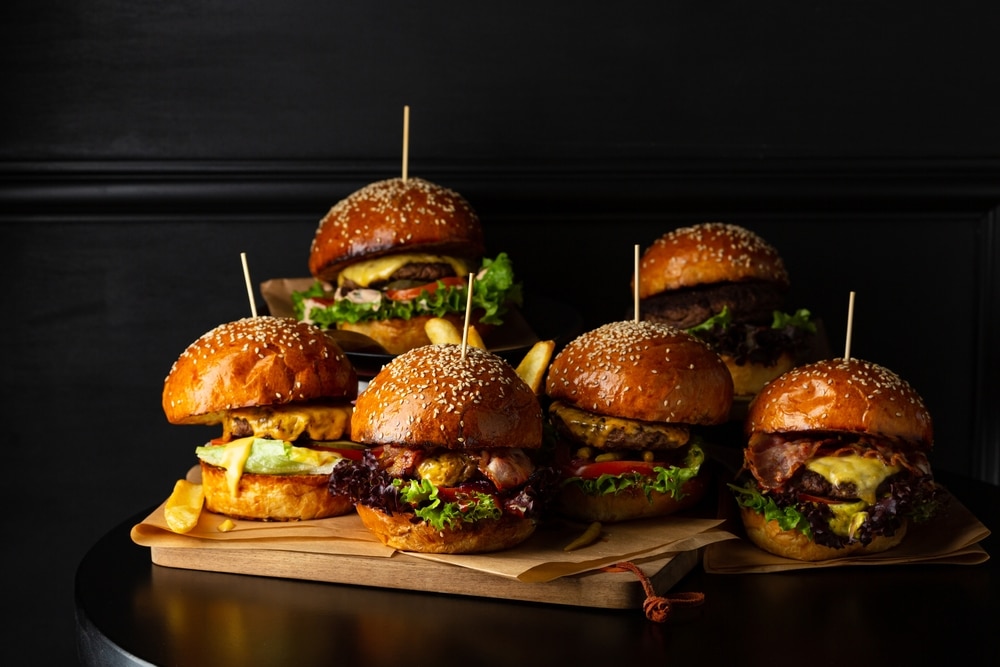
While cheeseburgers are rarely considered health food, certain restaurant versions contain such a high concentration of calories that they exceed the requirements for a full day’s intake. These oversized menu items often feature heavy sauces, multiple meat patties, and stacks of cheese that can turn a standard meal into a significant caloric event. Many diners may not realize that these burgers, even without the addition of sides like fries or soda, can pack more energy than two or three balanced meals combined. Here is a look at five popular restaurant burgers that stand out for their extreme nutritional profiles.
The Nutritional Impact of the Texas Roadhouse Bacon Cheeseburger
The Bacon Cheeseburger at Texas Roadhouse is a prime example of how quickly traditional toppings can elevate a meal’s calorie count. This burger alone contains 980 calories and a substantial 2,410 milligrams of sodium, which is more than the total daily recommended sodium limit for most adults. The sandwich features a beef patty topped with American cheese, crispy bacon, and standard vegetables on a large bun. When ordered as a combo with the included steak fries and a pickle spear, the total count reaches approximately 1,340 calories, making it an exceptionally heavy dining choice.
Analyzing the Caloric Density at Chili’s
At Chili’s, the standard Bacon Cheeseburger—built with four slices of bacon, two slices of American cheese, and mayonnaise—reaches 1,120 calories. However, this is not even the most indulgent option on their menu. The Bacon Rancher Burger takes it a step further, combining two beef patties with six slices of bacon, ranch dressing, and sautéed onions for a total of 1,710 calories. Adding a side of fries contributes another 420 calories, pushing the entire meal well over the 2,000-calorie mark, which is the typical daily reference intake for an average adult.
High-Calorie Combinations at The Cheesecake Factory
The Cheesecake Factory is well-known for its extensive menu and large portions, and the Bacon-Bacon Cheeseburger is no exception. This burger earns its name by using both crispy bacon and thick-cut, slow-roasted smoked bacon, alongside a blend of cheddar and American cheeses and a signature “secret sauce.” The burger alone provides ,1610 calories. For those who add a side of French fries, the meal increases by another 530 calories, resulting in a single plate that contains over 2,100 calories before drinks or appetizers are considered.
Red Robin’s Multi-Patty Caloric Totals
While Red Robin’s standard Bacon Cheeseburger sits at a relatively lower 960 calories, the restaurant offers extreme variations that significantly increase those numbers. The Triple Pointer Buzzer Beater Bacon Cheeseburger is designed for maximum indulgence, featuring three beef patties, four strips of hardwood-smoked bacon, and six slices of American cheese. Finished with a specialty sauce, this massive sandwich contains 1,870 calories. This highlights how adding extra patties and cheese layers can nearly double the energy density of a standard restaurant burger.
Fatburger’s Massive “Triple King” Nutritional Profile
Fatburger offers various sizes to accommodate different appetites, but their larger options are among the most caloric in the industry. The “Kingburger” (a half-pound patty) starts between 850 and 1,050 calories, depending on the chosen toppings. For those who opt for the XXXL Triple Kingburger, the numbers escalate dramatically. This three-patty giant can contain between 1,686 and 2,050 calories. Because these burgers are highly customizable with “The Works” or extra add-ons, the final calorie count can vary, but the baseline remains one of the highest available in the casual fast-food market.
Key Takeaways for Navigating Restaurant Menus
When dining out, it is important to recognize that “premium” or “ultimate” burger versions are often synonymous with hidden caloric loads. The combination of multiple meat patties, various types of bacon, and oil-based sauces can easily push a single sandwich past 1,500 calories. Being mindful of these nutritional facts allows for more informed decision-making, especially when considering that sides and beverages will further increase the total energy intake of the meal.