















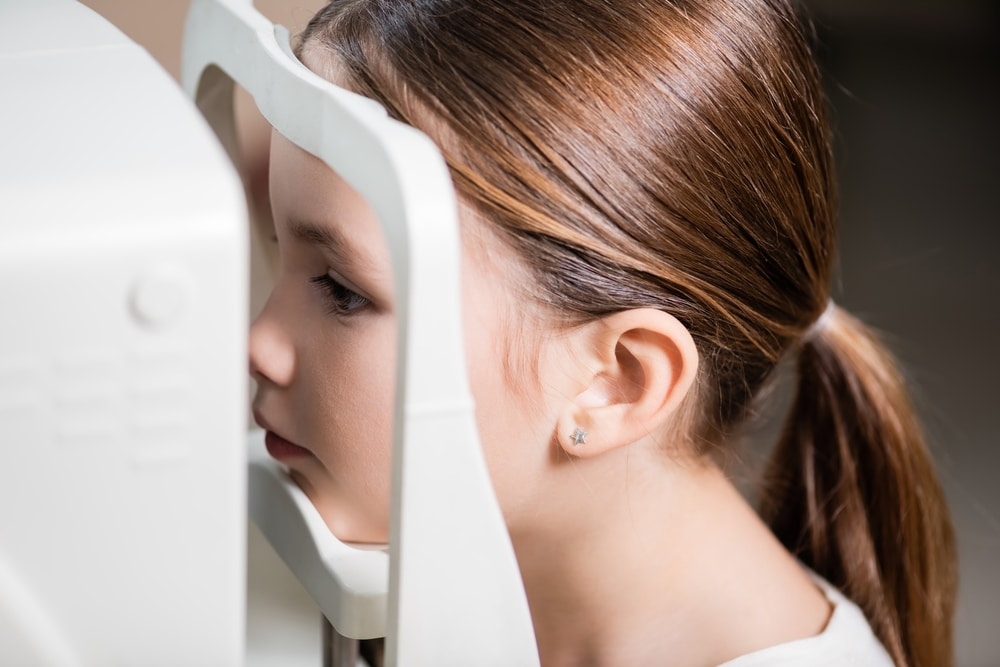
Investing in a vision screener is a pivotal decision for any clinic, school, occupational health provider, or outreach program. The right device can lead to early detection of vision issues, boost efficiency, and increase access to quality care. You understand that accurate vision screening is vital for the well-being of those you serve.
Let’s delve deeper into why this matters.
Choosing an effective device is crucial, but the vast array of options can seem daunting. You may feel overwhelmed and uncertain about how to select the most suitable vision screener for your needs. It’s essential to gather information that will empower you to make the right choice, ensuring that you invest wisely.
We’re here to simplify this journey. Below are some actionable tips to help you navigate the process of selecting the perfect vision screener for your specific requirements. Let’s explore the steps you need to consider.
Identify Your Needs First
The first step in making an informed choice is recognizing your specific needs. Who are the individuals you will be screening: children, adults, or the elderly? Where will these screenings occur, and how many people do you anticipate screening each day? Determine the level of detail required as well. Answering these questions can help clarify your priorities, ensuring you avoid overspending on unnecessary features or—worse—purchasing a device that won’t meet your needs.
A Lot Depends On The Right Provider
The provider you choose is critical to your success. You want a supplier that aligns perfectly with your requirements. Research the firms you’re considering. When you visit a company like Depisteo, examine not just their devices but their overall reputation. Understand their history and how long they’ve been in the industry to make sure you’re making a well-informed decision.
Check Out the Products At Their Official Sites
You can discover various providers by seeking recommendations or searching online. Your next step is to access their official websites. Closely reviewing the products they offer will help you filter out unsuitable options—those that don’t fit your needs. The official sites often provide detailed information that can guide your final decision.
Inspect Reputation
It’s essential to evaluate the reputation of prospective providers. Opt for reliable and trustworthy companies for your vision screeners. Dedicate time to reading reviews from previous customers; this can give you valuable insight into the quality of their products and services.
Assess The Features Of The Devices
Next, closely examine the features of the vision screener you’re considering. Accuracy and clinical validation should always be at the forefront of your decision. Additionally, think about the importance of portability and capacity to manage large screenings. Aim for a device that not only fulfills your identified needs but also boasts excellent quality. If you’re keen on pediatric vision screening, you can read more to enhance your understanding.
Evaluate Ease Of Use
Ease of use is another factor that cannot be overlooked. Choose a device that prioritizes simplicity. Look for features that provide clear, understandable results while requiring minimal manual input. Automated measurements can significantly enhance your experience.
Compare The Costs
Finally, compare the costs of different vision screeners you are considering. This analysis will help you achieve the best return on your investment. Always prioritize quality over price when making a decision, ensuring that you don’t compromise essential features for a lower cost.