















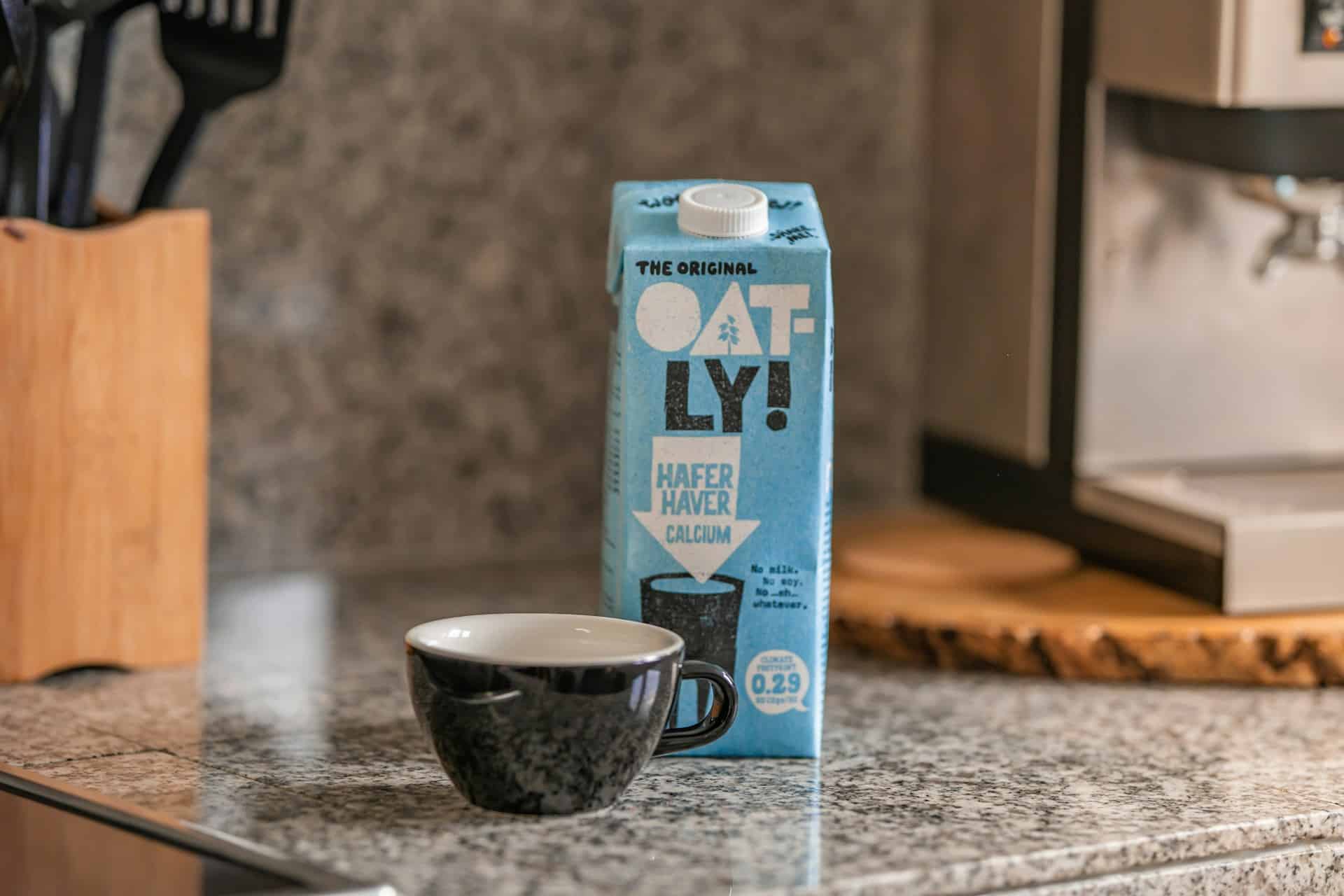
Oat milk has gained popularity as a dairy alternative, primarily due to its creamy texture and nutritional benefits. However, like any food product, it has its advantages and drawbacks. Below are some considerations to help you make an informed choice about incorporating oat milk into your daily diet.
Allergic Reactions
Although oat allergies are relatively rare compared to other food allergies, they can occur. Individuals allergic to oats may experience symptoms such as itchy skin or digestive discomfort after consuming oat milk. In severe cases, anaphylaxis—a life-threatening reaction—can occur, leading to difficulty breathing. Furthermore, people sensitive to additives found in oat milk, like xanthan gum, might also experience negative reactions. Individuals should remain vigilant and consult healthcare providers if they suspect an allergy.
Bloating and Indigestion
Oats are generally well-tolerated and can aid digestion; however, their high fiber content might lead to bloating and discomfort for some people, particularly those with sensitivities. Individuals with celiac disease or reactions to gluten may also react to Avenin, a protein found in oats, leading to similar issues. Additionally, certain emulsifiers used in oat milk may disrupt healthy gut bacteria, exacerbating digestion problems. Ongoing research is essential to better understand these long-term digestive effects.
Effects of Additional Sugar
The sweetness of oat milk can be appealing, but it’s important to be aware of added sugars that some manufacturers include. Excessive sugar consumption can contribute to weight gain, increase the risk of type 2 diabetes, and lead to dental problems. The American Heart Association suggests limiting added sugars to no more than 6% of daily caloric intake, which translates to about 25 grams a day for women and 36 grams for men. Checking product labels can help you keep sugar intake in check.
Effects of Increased Carbohydrate Intake
Oat milk is predominantly made up of carbohydrates. While these complex carbs are nutritious and can be filling, an over-reliance on them may lead to weight gain and fatigue. The glycemic index (GI) of oat milk ranges from medium to high (49 to 69), which can affect blood sugar levels depending on one’s overall diet and portion sizes consumed. In comparison, whole cow’s milk has a much lower GI of around 31, indicating less rapid impact on blood glucose.
Unintentional Gluten or Soy Exposure
Oats are naturally gluten-free; however, cross-contamination can occur during processing. Brands that do not certify their oat milk as gluten-free could pose risks for individuals with celiac disease. Similarly, some oat milk products may contain soy, leading to unintended exposure for those avoiding it. Checking labels for certifications is crucial for people with specific dietary restrictions.
Health Impact of Added Ingredients
Some oat milk brands include additives such as vegetable oils, thickeners, and preservatives, which can be a point of concern for some consumers. If you’re on a low-salt diet or have allergies to certain ingredients, you should carefully review product labels. It’s essential to select products that align with your health objectives to get the most out of your oat milk consumption.
Conclusion
Oat milk can be a nutritious addition to your diet, offering various benefits such as being dairy-free and rich in vitamins. Nevertheless, it also comes with potential drawbacks that should not be overlooked. Understanding these pros and cons will help you make smarter dietary choices, ensuring that oat milk enhances your nutrition rather than causing unwanted side effects. Always consult with healthcare professionals regarding any specific concerns, particularly if you have allergies or dietary restrictions. By doing so, you can make the most of this popular plant-based beverage.### Understanding Oat Milk: A Comprehensive Guide
Oat milk has gained popularity as a dairy alternative due to its nutritional profile and versatility. However, before incorporating it into your diet, it’s essential to consider several factors, especially regarding specific populations like infants and those with certain health conditions.
Nutritional Considerations for Babies
Oat milk is not recommended for infants under 12 months. One significant reason is its lower protein content compared to cow’s milk, which is critical for a baby’s growth and development. Moreover, the fat content in oat milk may not suffice for infants, as healthy fats are vital during the early stages of life.
Many commercial oat milk products also contain added sugars and other additives, which can be detrimental to babies. If you’re considering introducing oat milk to a child over one year old, it’s essential to use it judiciously and not as a full replacement for cow’s milk. A balanced assessment of the child’s overall diet and health is crucial.
Daily Consumption of Oat Milk
For those who can tolerate oats, oat milk can be a nutritious addition to your diet. Oats are naturally high in fiber and low in fat, contributing to heart health and digestive wellness. Fortified versions of oat milk can provide additional nutrients like calcium and vitamin D, which are beneficial for bone health.
However, it’s important to keep in mind that while oat milk is a beneficial component of a balanced diet, it does not match the protein and calcium levels found in cow’s milk or other dairy alternatives. Moderation is key, and it’s best enjoyed alongside a varied diet that meets your nutritional needs.
Key Insights on Oat Milk
1. Digestive Considerations: While oat milk provides dietary fiber, individuals sensitive to fiber might experience bloating or indigestion. It’s important to monitor your body’s response to oat milk.
2. Cross-Contamination: Oat milk production often occurs in facilities that process soy or gluten products. If these are concerns for your diet, look for oat milk labeled as gluten-free.
3. Additives and Sugars: Be cautious of added sugars and preservatives in flavored oat milk varieties. It’s advisable to read labels to ensure you’re making a healthy choice.
Conclusion
Oat milk can be an excellent option for those looking to diversify their dairy consumption, offering a unique blend of taste and nutrition. However, its suitability may vary based on age and health conditions. As with any dietary choice, being informed and considering personal health goals can ensure that oat milk benefits rather than hinders your overall well-being.
Image Source: Unsplash