















Managing healthy blood pressure levels is crucial for safeguarding your heart, kidneys, and overall health. Incorporating specific foods into your diet can promote vascular health, enhance circulation, and assist in maintaining appropriate blood pressure levels.
Blueberries
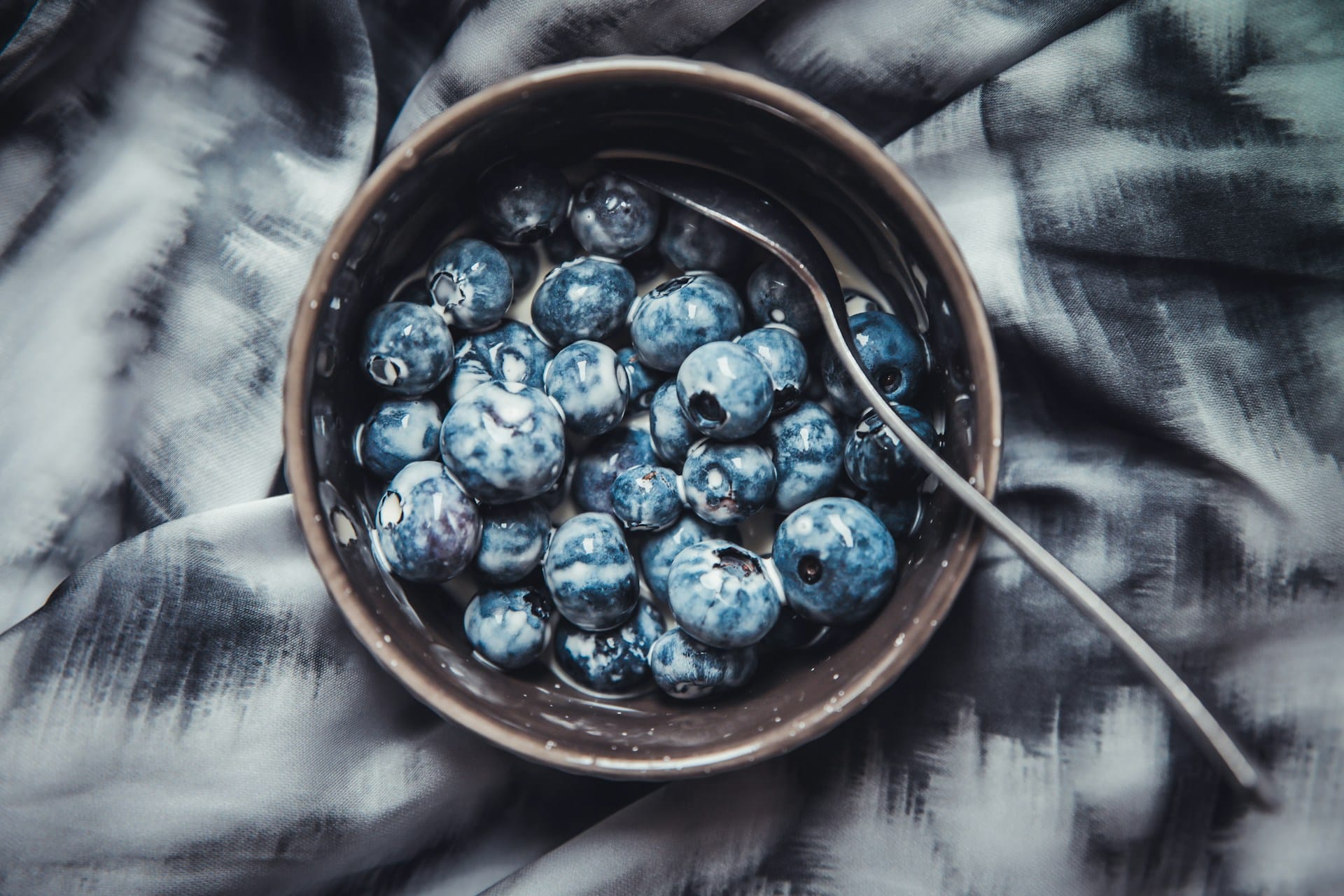
Including blueberries in your diet can be a delicious way to support healthy blood pressure. Whether blended into smoothies or enjoyed as a standalone snack, these tiny fruits pack a punch of health benefits. Research indicates that consuming just one cup of blueberries weekly may reduce your chances of developing high blood pressure. This is attributed to the presence of anthocyanin, a flavonoid found in blueberries that helps lower blood pressure levels.
Walnuts
Walnuts are another powerhouse in the battle against high blood pressure. A study conducted by researchers in the journal Nutrition, Metabolism and Cardiovascular Diseases revealed that individuals who regularly consume walnuts experience lower diastolic blood pressure and reduced waistlines compared to those who do not. Furthermore, a clinical trial indicated that incorporating walnuts into a low saturated fat diet can yield significant reductions in central blood pressure. Try sprinkling walnuts on your morning oatmeal or enjoying them on their own for a healthy snack.
100% Orange Juice
A glass of 100% orange juice in the morning provides a natural source of potassium, a mineral essential for heart health and a key component of the DASH diet. Additionally, this citrus drink contains hesperidin, a flavonoid that has been associated with lower blood pressure levels in individuals with hypertension. In a notable clinical trial, participants with pre-hypertension who consumed 500 mL of 100% orange juice daily experienced an average decrease of 6.35 mmHg in blood pressure readings.
Watermelon
Watermelon is not only a refreshing summer treat but is also rich in potassium, an amino acid known as L-citrulline, and lycopene—all of which contribute to lower blood pressure. L-citrulline may help relax blood vessels, while lycopene, recognized for its red color, is linked to cardiovascular health improvements. Incorporating watermelon into your diet can be both enjoyable and beneficial for keeping blood pressure in check.
Pears
Regular consumption of pears can have a positive influence on blood pressure, especially for those with metabolic syndrome. A study published in Food and Function found that eating pears daily over a span of 12 weeks resulted in significant reductions in systolic blood pressure and pulse pressure, emphasizing their potential as a dietary ally in maintaining heart health.
Oily Fish
Oily fish, such as salmon, mackerel, and sardines, are excellent sources of omega-3 fatty acids that are often lauded for their heart health benefits. Regular consumption of these fish can lead to various improvements in cardiovascular health, including lower blood pressure levels and reduced risk of heart disease and stroke. Making oily fish a staple in your diet can be a tasty and effective means of supporting your heart health.
By integrating these nutrient-rich foods into your daily meals, you can contribute positively to managing your blood pressure and enhancing your overall well-being.
Oily Fish for Heart Health
Incorporating oily fish into your diet can be a game-changer for your cardiovascular health. Varieties such as salmon and trout are rich in omega-3 fatty acids, which are known to help lower blood pressure levels. Regular consumption of these fish can provide numerous health benefits, making them a worthy addition to your meal plan.
The American Heart Association recommends consuming one to two servings of seafood each week. This practice can significantly reduce the risk of negative outcomes related to heart health while aiding in the maintenance of normal blood pressure levels. By integrating oily fish into your weekly menu, you can take active steps towards a healthier heart.
Lentils: A Nutrient Powerhouse
Lentils are small but mighty when it comes to heart health. Packed with potassium and magnesium, these legumes are beneficial in managing blood pressure. Research suggests that individuals who substitute lentils and beans for other food options in their diets experience a reduction in systolic blood pressure.
Whether you enjoy lentils in a hearty soup, as part of a flavorful sauce, or as a standalone side dish, their versatility makes them easy to incorporate into different meals. Regular consumption may have a favorable impact on your overall blood pressure health.
Yogurt: The Creamy Heart Helper
Yogurt is another fantastic food item that contributes positively to heart health. Rich in potassium and calcium, it supports the cardiovascular system effectively. Studies indicate that having three servings of dairy daily may be associated with a 13% lower risk of developing high blood pressure.
When selecting yogurt, it’s advisable to choose options that do not contain added sugars. This way, you can enjoy the health benefits without the unnecessary calories. Enhance your yogurt with fresh fruit, which can add both flavor and nutrients, making it an ideal breakfast or snack option.
These dietary choices embody a proactive approach to maintaining heart health by regulating blood pressure. By focusing on nutrient-rich foods like oily fish, lentils, and yogurt, you can create a balanced and heart-friendly eating plan.
Image Source: Unsplash