














Have you ever opened your fridge only to find containers of leftovers that you’re not sure are still safe to eat? Proper food storage is essential, not only for health and safety but also for extending the freshness and taste of your meals. Understanding and implementing a few simple principles can significantly reduce waste and prevent foodborne illnesses. Let’s delve into the essential guidelines for storing leftovers effectively.
6 Key Principles of Food Storage
Maintaining the right food storage practices is vital for ensuring that your leftovers remain safe and flavorful. These straightforward guidelines can apply to virtually any type of food, helping you sidestep common storage pitfalls.
1. Maintain Proper Temperature
Temperature regulation is a critical factor in curbing bacterial growth. To prevent spoilage, your refrigerator should consistently be set to 40°F (4°C) or lower. Bacteria thrive at higher temperatures, making it essential to keep your food cool, which serves as your primary defense against food spoilage.
2. Cool Food Before Storage
Allow your cooked food to cool down to room temperature before placing it in the fridge. However, avoid leaving food out too long, as this can promote the growth of harmful bacteria. Additionally, warm food can inadvertently raise the temperature inside your refrigerator, putting other items at risk.
3. Portion Your Leftovers
To expedite the cooling process, divide larger portions of food into smaller containers. Large batches can take a long time to cool, especially in the center. Smaller servings cool faster and are also more convenient for reheating, minimizing waste and helping maintain quality.
4. Select Appropriate Containers
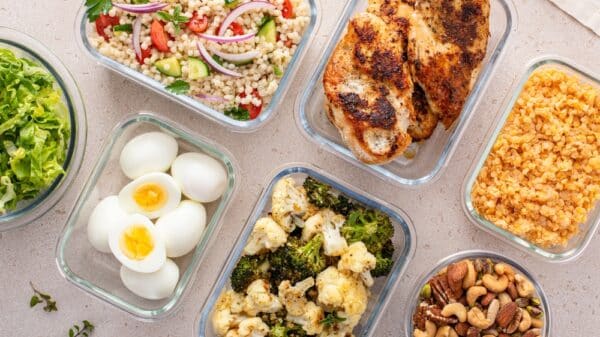
The type of container you choose is more important than you might think. Glass containers are excellent for keeping leftovers fresh since they don’t absorb odors or stains like plastic. Plus, they’re safe for use in microwaves and ovens, making them versatile options for storage and reheating.
5. Opt for Shallow Containers
When storing food, select shallow containers instead of deep ones. Shallow dishes allow for better heat distribution and facilitate quicker cooling, while deep containers tend to insulate food, slowing down the cooling process. Using shallow containers will promote fast and even cooling, making them a smarter choice.
6. Label Everything
Always label your leftovers with the date of storage and a description of the contents. This will help you keep track of what you have and prevent any ‘mystery’ containers from becoming science experiments in your fridge. Knowing when you stored the food can help you make informed decisions about its safety.
Final Thoughts
Your food storage habits play a significant role in the longevity and safety of your meals. By dedicating just a few extra moments to proper storage practices, you can save money and protect your family’s health. Establishing a routine around these principles will make them second nature.