













Fiber is renowned for its health benefits, and it’s categorized into two main types: soluble and insoluble. However, understanding fiber through food groups can simplify building a nutritious diet. Here’s a look at five fiber-rich food categories that can enhance your daily intake and contribute to your overall well-being.
1. Fruit
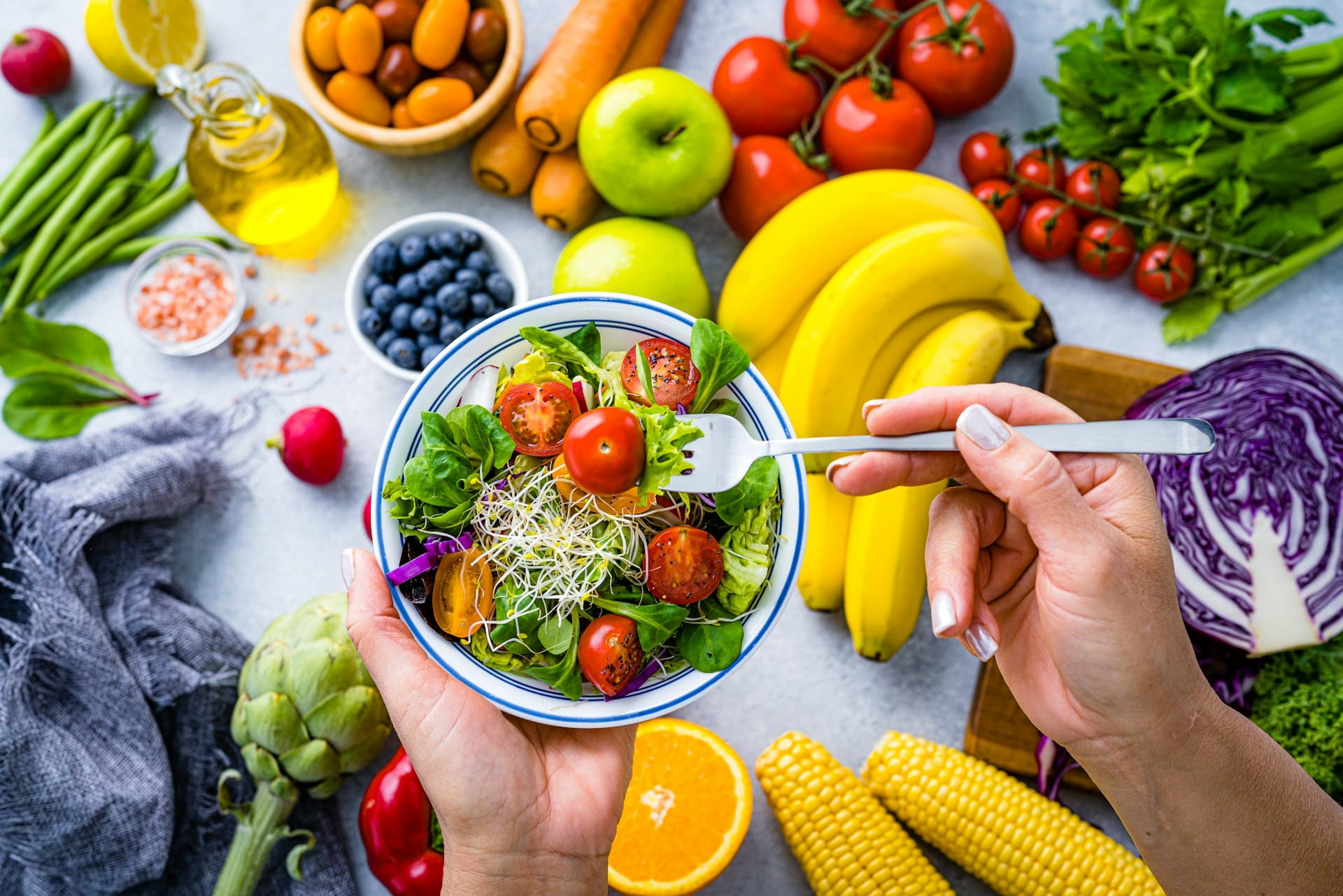
Fruits are a delightful and versatile source of fiber. While all fruits provide some level of fiber, certain varieties stand out for their higher content. Opting for fruits that include both soluble and insoluble fibers is beneficial for digestive health.
Top Fiber-Rich Fruits:
– Pears
– Bananas
– Guava
– Berries
– Kiwi
– Apples
Consuming a diverse range of high-fiber fruits has been associated with numerous health advantages, including improved digestive health, effective weight management, and a reduced risk of chronic conditions such as heart disease, type 2 diabetes, and several cancers, particularly colorectal cancer.
2. Vegetables
Incorporating vegetables into your diet is essential for boosting fiber intake alongside overall nutrition. Almost all vegetables contain fiber, but some are significantly more richer than others.
High-Fiber Vegetable Picks:
– Broccoli
– Carrots
– Green peas
– Leafy greens
– Brussels sprouts
– Artichokes
Vegetables contribute to digestive wellness and long-term health. Organizations like the American Heart Association and the American Cancer Society underscore the importance of consuming fiber-rich vegetables to lower the risk of heart disease and certain cancers.
3. Legumes
Legumes are a powerhouse of nutrition, providing health benefits that span from lowering LDL cholesterol to stabilizing blood sugar levels and supporting healthy blood pressure.
Foods in this category are not only high in fiber, but they’re also packed with plant-based protein, essential vitamins, and minerals. Plus, they contain antioxidants known as polyphenols, which can help combat oxidative stress in the body.
Examples of Nutritious Legumes:
– Lentils
– Kidney beans
– Black beans
– White beans
– Chickpeas
– Split peas
– Soy products like edamame and tofu
Regular consumption of legumes can significantly enhance heart and metabolic health while decreasing the likelihood of conditions such as type 2 diabetes.
4. Nuts and Seeds
Nuts and seeds are excellent sources of fiber, healthy fats, and plant-based protein, making them integral to a heart-healthy diet. They play a role in reducing the risk of chronic diseases, including diabetes and certain cancers.
Fiber-Loaded Nuts and Seeds:
– Almonds
– Pistachios
– Walnuts
– Hazelnuts
However, it’s not just nuts that pack a fiber punch; seeds such as chia, flax, and sunflower are small but mighty when it comes to fiber content. Some, like chia and flax, also bring omega-3 fatty acids and antioxidants into the mix, promoting brain and heart health.
5. Grains
Whole grains are another cornerstone of fiber-rich diets. Though quinoa and buckwheat are technically pseudograins, they are often included in grain discussions due to their similar fiber profiles.
Certain grains are exceptionally high in beta-glucan, a type of soluble fiber that boosts cholesterol and blood sugar management.
High-Fiber Whole Grains:
– Oats
– Barley
– Wheat
– Rye
– Quinoa
– Buckwheat
Incorporating whole grains into your diet not only supports digestive health but also significantly lowers the risk of heart disease, type 2 diabetes, and various cancers. The health benefits of whole grains stem from their retention of bran and germ, which are rich in fiber, vitamins, minerals, and antioxidants—elements typically lost during the refining process.
Image Source: Unsplash