














Purple foods are not just visually appealing; they pack a nutritional punch that can significantly benefit your health. The vibrant color of these foods comes from anthocyanins—natural pigments that function as antioxidants. Consuming these foods can support your overall well-being, enhance your meals, and add an eye-catching variety to your diet.
1. Blackberries
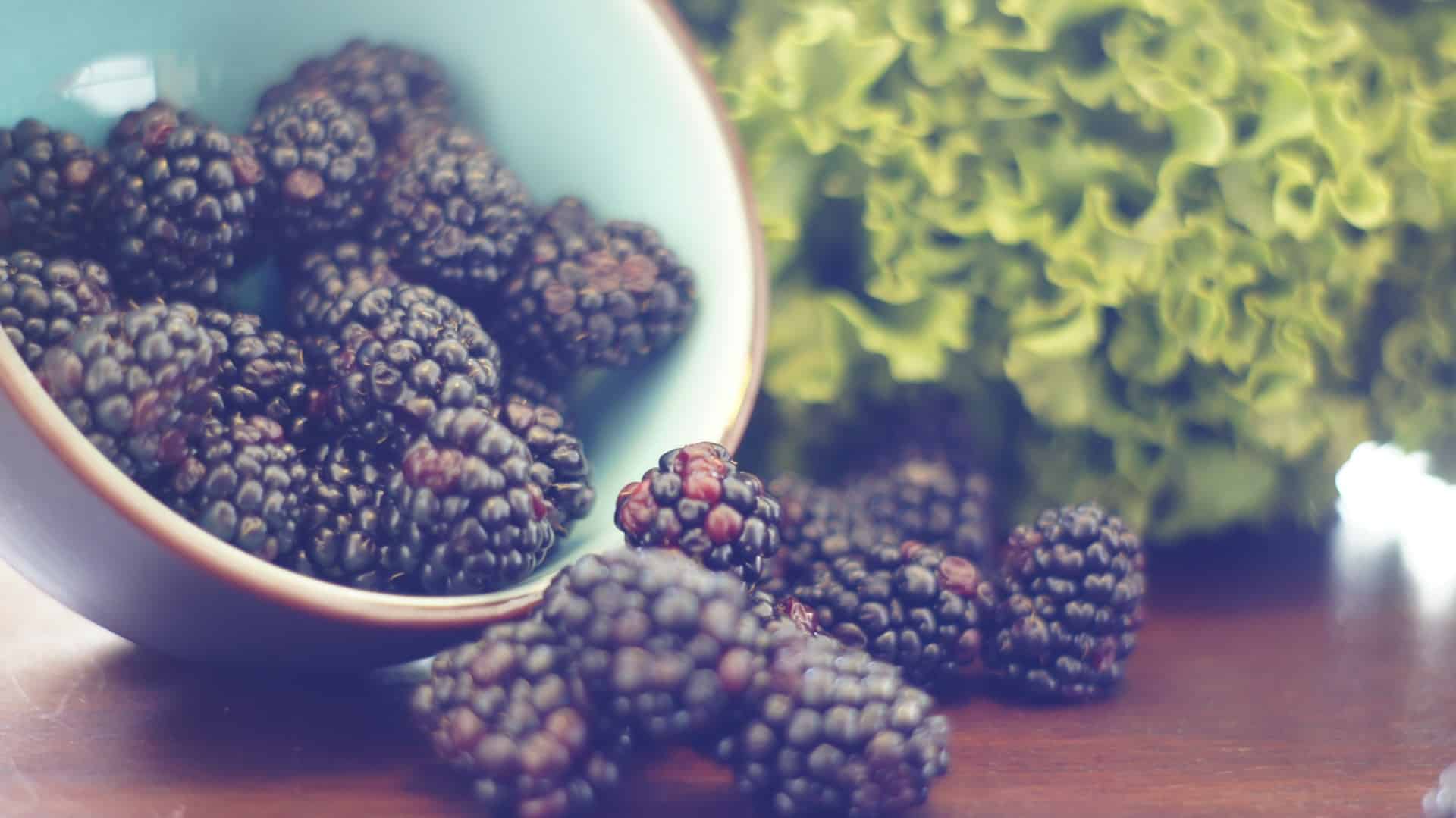
Blackberries are a powerhouse when it comes to anthocyanins, which not only help maintain a robust immune system but also combat inflammation. This means they could lower your risk of chronic conditions such as diabetes and cancer. They are also rich in vitamin C, an important antioxidant, and full of fiber that aids in digestion. If you’re feeling under the weather or need an immune boost, a handful of blackberries could be just what you need.
Interestingly, there’s a specific type—evergreen blackberries—that contains ellagic acid. This compound boasts antiviral and antibacterial properties, making these berries even more beneficial, though you might have to hunt for them at farmers’ markets or specialty stores since they aren’t typically found in supermarkets.
2. Plums
Plums might not always be the first fruit you think of, but they’re packed with anthocyanins, the superheroes of antioxidants. These little fruits are known for their ability to reduce inflammation and potentially prevent allergic reactions. They may also enhance cognitive functions, memory, and even bone health, although scientific evidence about some of these benefits is still emerging. They’re also high in vitamin C, along with vitamins A and K, which can help regulate blood sugar levels—a sweet bonus for those managing their sugar intake.
3. Blueberries
If you’re looking for a fruit that has a stellar reputation for health benefits, blueberries are at the top of the list. They are one of the richest sources of anthocyanins, which contributes to their impressive antioxidant profile. Regularly incorporating blueberries into your diet can help lower the risk of heart disease and type 2 diabetes while also supporting weight control and cognitive function. Plus, they help maintain a healthy balance of gut bacteria, making them a smart choice for digestive health. With their delightful sweetness and versatility, it’s easy to snack on blueberries throughout the day.
4. Figs
Figs are a bit of a surprise when it comes to antioxidant content. Technically flowers rather than fruits, they offer more phenolic compounds than red wine when it comes to antioxidants. Specifically, darker varieties of figs boast as much anthocyanin as blackberries and blueberries, making them a fantastic choice for health-conscious individuals. Figs are also a good source of dietary fiber and essential minerals like potassium, calcium, and magnesium. So, whether enjoyed fresh or dried, figs can elevate your snacking game while packing in some serious health benefits.
5. Grapes
Grapes, particularly Concord and other purple varieties, are delightful and nutritious. They may have higher concentrations of antioxidants compared to their green counterparts, which means more health benefits per bite. These antioxidants can help support heart health and combat oxidative stress, making them a standout snack on their own or in a fruit salad.
Incorporating these vibrant purple foods into your diet doesn’t just add color to your plate; it can also be a delicious step towards better health. Whether you enjoy them fresh, blended into smoothies, or added to salads, these foods are a simple and effective way to support a balanced, nutrient-rich diet. Remember, the journey to a healthier you is often paved with small, enjoyable changes—like indulging in a variety of colorful, nutritious foods.Grapes are truly a powerhouse when it comes to nutrition, particularly because they are packed with antioxidants. Research suggests that Concord and purple grapes, in particular, carry a heavier load of these beneficial compounds compared to their green counterparts. The antioxidants, especially anthocyanins, are predominantly found in the skins of purple and red grapes, making the simple act of indulging in these colorful fruits a delicious boost for your health.
Now, you might be wondering what makes these compounds so special. Both red and white grapes, along with their juices and wines, are rich in resveratrol. This natural compound has garnered attention as a potential ally in the fight against heart disease and even neurological conditions such as Parkinson’s and Alzheimer’s. However, it’s essential to note that while some studies show promise, the evidence is still not definitive. It’s like having that hunch about something being good for you; the science is still catching up!
Interestingly, resveratrol has been linked to anticancer properties, including some studies highlighting its effects against breast cancer. The challenge, however, lies in creating a form of resveratrol that can provide medical benefits effectively. Scientists are still exploring its potential, so the conversation surrounding resveratrol continues to evolve.
Switching gears, let’s talk about cherries—those delicious, juicy bites that might just be the perfect addition to your diet. Not only are they a taste delight, but sweet cherries, in particular, are loaded with antioxidants like vitamin C. They also outshine tart cherries in their anthocyanin content. If you’ve ever enjoyed a bowl of cherries on a summer day, you already know how they can uplift your spirits, and there’s a good reason for that: cherries contain tryptophan, which your body uses to produce serotonin, a key player in mood regulation. Plus, for those tossing and turning at night, cherries come with melatonin, a natural sleep aid that’s gaining popularity.
One study even showed that indulging in cherries could lessen signs of oxidative stress, reduce inflammation, and ease muscle soreness. Not only that, but they may also have some potential benefits for managing arthritis, diabetes, and cholesterol levels. Incorporating cherries into your routine can be a sweet and simple way to boost your health.
Now, let’s not overlook purple eggplant. This vibrant veggie is more than just a pretty face; it’s rich in antioxidants as well. Specifically, the skin of eggplant contains nasunin, an anthocyanin with remarkable properties. Other antioxidants like lutein and zeaxanthin are also present, which are crucial for keeping your eyes healthy.
Research has demonstrated that the skin of eggplant might even possess cancer-fighting properties, specifically showing some efficacy against stomach cancer. And as if that weren’t enough, eggplants are an excellent source of fiber and minerals such as copper, manganese, potassium, and thiamine. The soluble fiber in eggplant can help lower cholesterol levels and stabilize blood sugar, while the insoluble fiber helps keep your digestive system running smoothly.
Purple or red cabbage is another nutritional gem. Although it has a similar taste to green cabbage, it’s significantly more nutrient-dense. In fact, studies indicate that the antioxidant capacity of red cabbage can be six to eight times higher than that of green cabbage. This makes it a smart choice for anyone seeking to enhance their overall health.
Along with antioxidants, purple cabbage also has sulforaphane, a compound with potential heart health benefits and anti-cancer properties. It’s high in essential nutrients like vitamin C and vitamin A—vital for supporting good vision and maintaining healthy skin, teeth, and bones. Incorporating purple cabbage into your meals can be as simple as tossing it in a salad or sautéing it as a side dish.
Lastly, we can’t forget about beets, those gorgeous roots that bring a vibrant color to your plate. The vivid hue of beets comes from betacyanin, a pigment that offers powerful antioxidant properties. Not only that, but betacyanin is also linked to lowering blood pressure due to its nitrate content, which converts to nitric oxide in your body. This can help dilate blood vessels, leading to a drop in blood pressure levels and potentially reducing muscle soreness, enhancing your exercise experience.
All of these foods—from grapes to cherries, eggplant, purple cabbage, and beets—come packed with nutrients that support your health in various ways. Embracing them in your diet can be a delightful journey filled with flavors and benefits, making you feel more vibrant and full of life.Beets are a powerhouse of nutrition, packed with essential vitamins and minerals that play a significant role in our overall well-being. These vibrant root vegetables are not only rich in fiber, which aids in digestion, but they are also high in vital nutrients such as folate, vitamin C, iron, potassium, and manganese. Each of these components contributes to various health benefits, including improved cardiovascular health and sustained energy levels throughout the day. Incorporating beets into your diet might just be one of the easiest ways to enhance your nutrition and feel your best.
Red Onions
When it comes to antioxidants, red onions stand out as a remarkable source. The rich purple hue of red onions comes from a group of pigments known as anthocyanins, which are not only responsible for their color but also offer a host of health benefits. One particularly powerful antioxidant these onions contain is quercetin. This compound has been shown to help reduce allergic reactions by minimizing the release of histamine in the body, making red onions a fantastic addition for those who suffer from seasonal allergies.
In addition to their antioxidant properties, red onions are loaded with potassium, an essential mineral that supports heart health, muscle function, and bone integrity. They are also a rich source of vitamin C and B vitamins like folate (B9) and B6, all of which play key roles in energy metabolism, the production of red blood cells, and proper nerve function. So, whether you’re tossing them into a salad, sautéing them with your favorite vegetables, or using them to add flavor to your meals, red onions are a simple yet effective way to boost your health.
Purple Cauliflower
Purple cauliflower isn’t just a feast for the eyes—it’s an excellent source of nutrition too. This colorful vegetable is rich in vitamin C, known for its immune-boosting properties, and it’s high in anthocyanins, those same pigments that give it its striking color. But there’s more to purple cauliflower than just looks; it’s also packed with carotenoids, which may have anticancer effects and offer heart-protective benefits.
Though much of the cancer-fighting properties of cauliflower, including the white variety, stem from compounds like indole-3-carbinol (I3C), it’s crucial to note that further research is needed to fully understand these benefits in humans. Additionally, purple cauliflower contains glucosinolates, including sulforaphane, which, when chewed and digested, can transform into beneficial substances with potential anti-inflammatory and antibacterial effects.
Including purple cauliflower in your meals can boost your intake of fiber, calcium, folate, potassium, and vitamin A, making it a delicious and nutritious addition to any dish.
Purple Sweet Potato
Don’t underestimate the power of purple sweet potatoes! These vibrant tubers are not only visually appealing but also pack a nutritional punch. They are rich in beta-carotene, a carotenoid that the body converts into vitamin A, crucial for maintaining healthy vision, skin, and immune function.
Moreover, purple sweet potatoes are high in anthocyanins, such as cyanidin and peonidin, antioxidants that can help combat the toxicity of heavy metals—think arsenic, cadmium, and mercury—often found in certain foods.
By incorporating purple sweet potatoes into your meals, you’re not only getting a healthy dose of nutrients but also satisfying those sweet cravings in a nutritious way.
Why Are Purple Foods Healthy?
The distinctive colors of purple foods come from anthocyanins, a type of antioxidant that plays a significant role in neutralizing harmful free radicals. These free radicals, stemming from sources like pollution and UV rays, can lead to oxidative stress, potentially increasing the risk of chronic diseases such as cancer and heart disease.
As these purple plants mature, the anthocyanin levels rise, resulting in their rich coloration and enhanced health benefits. Resveratrol, another powerful antioxidant found in some purple foods, has been linked to reduced inflammation and improved heart and brain health, with potential cancer-fighting properties.
Beyond these beneficial compounds, purple foods are rich in fiber, vitamins, and minerals, making them a nutritional treasure trove waiting to be explored.
Key Takeaways
– Purple fruits and vegetables aren’t just pretty to look at; their antioxidant pigments can provide significant health benefits.
– They also deliver a wealth of fiber and essential nutrients that our bodies need.
– By adding more purple foods to your meals, you’re not just diversifying your plate; you’re making a simple yet effective choice toward better health.
So, the next time you’re meal prepping, think about how you can incorporate more of these colorful dauntless vegetables into your diet! Not only will they make your meals more vibrant, but they’ll also support your journey toward a healthier lifestyle.
Image Source: Unsplash