













Key Insights
- Vitamin B9, also known as folate or folic acid, plays a crucial role in maintaining bodily functions.
- Natural folate can be sourced from leafy greens, fruits, legumes, and eggs, while folic acid is available through supplements and fortified foods.
- Ensuring adequate intake of vitamin B9 enhances overall well-being, mitigating issues such as fatigue, anemia, and muscle weakness.
Folic acid is the synthetic variant of vitamin B9, primarily found in supplements and fortified products, including bread, cereals, and select fruit juices. The naturally occurring folate, prevalent in fruits and leafy greens, is essential for health; insufficient intake can lead to symptoms like fatigue, weakness, and anemia.
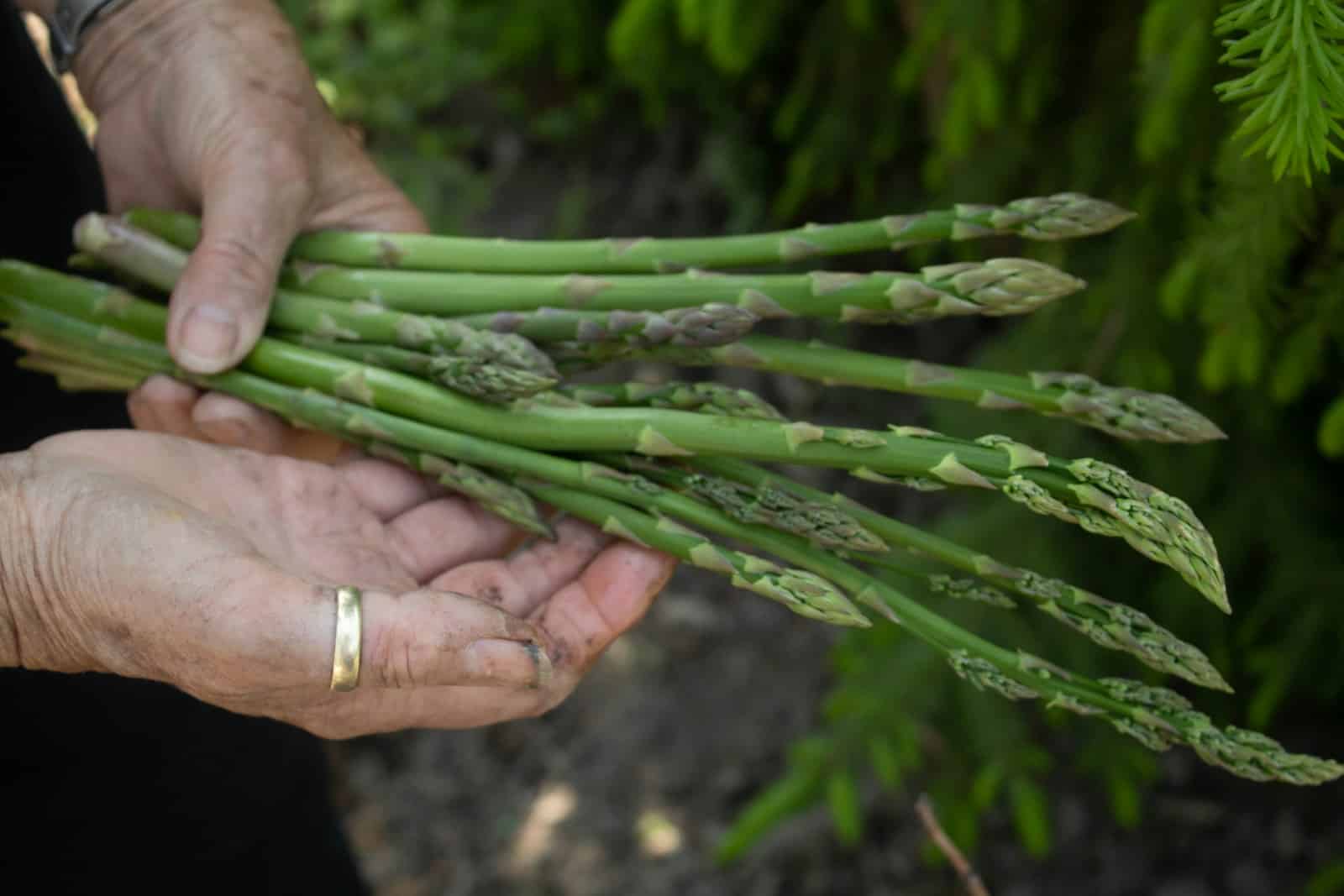
1. Asparagus
Packed with folate, asparagus contains approximately 89 micrograms (mcg) of folate in just four spears, satisfying about 22% of the recommended daily intake.
Additionally, asparagus is rich in vitamin K and antioxidants like vitamin C.
2. Legumes
Legumes encompass a diverse group of foods including beans, peas, and lentils, all of which are excellent folate sources. A typical serving of cooked pinto beans can provide about 294 mcg of folate per cup.
Furthermore, legumes are packed with fiber and proteins, making them a fantastic option for those looking to reduce meat intake.
3. Dark, Leafy Vegetables
Dark, leafy greens are exceptional sources of folate. Some notable examples include:
- Spinach: Provides about 131 mcg per 1/2-cup serving (cooked)
- Romaine Lettuce: Contains around 64 mcg per 1-cup serving (shredded)
- Brussels Sprouts: Offers roughly 78 mcg per 1/2-cup serving (cooked)
4. Beef Liver
Beef liver is a nutrient-dense organ meat, offering around 215 mcg of folate per 3-ounce serving. Beyond folate, liver is a great source of iron, vitamin A, and copper.
5. Broccoli
Broccoli, a nutrient-rich cruciferous vegetable, provides 28 mcg of folate per half-cup of raw and 84 mcg per half-cup serving when cooked. It’s also a stellar source of fiber.
6. Bananas
Bananas are a delicious source of folate, with a medium banana containing around 23.6 mcg. They also offer a significant amount of potassium.
7. Eggs
A single large egg contains about 35.7 mcg of folate. Eggs, despite being high in cholesterol, deliver a wealth of nutrients and serve as a fantastic protein source.
8. Citrus Fruits
Citrus fruits like oranges and lemons are excellent sources of folate. For instance, a large orange can provide around 55 mcg of folate. They also enrich the diet with vitamin C.
Health Benefits of Folate
Maintaining adequate levels of folate is linked to several health advantages. Folate helps in reducing the risk of:
- Cardiovascular diseases
- Stroke incidents
- Neural tube defects during pregnancy
- Specific types of cancers, including esophageal cancer
- Symptoms of depression
- Cognitive decline (although further research is necessary)
Folic Acid vs. Folate
Folic acid and folate, both forms of vitamin B9, are vital for overall health. This essential vitamin supports the body’s ability to synthesize deoxyribonucleic acid (DNA) and ribonucleic acid (RNA), the foundational elements of all our cells.
Vitamin B9 can be acquired through natural food sources (folate) or through dietary supplements (folic acid).