













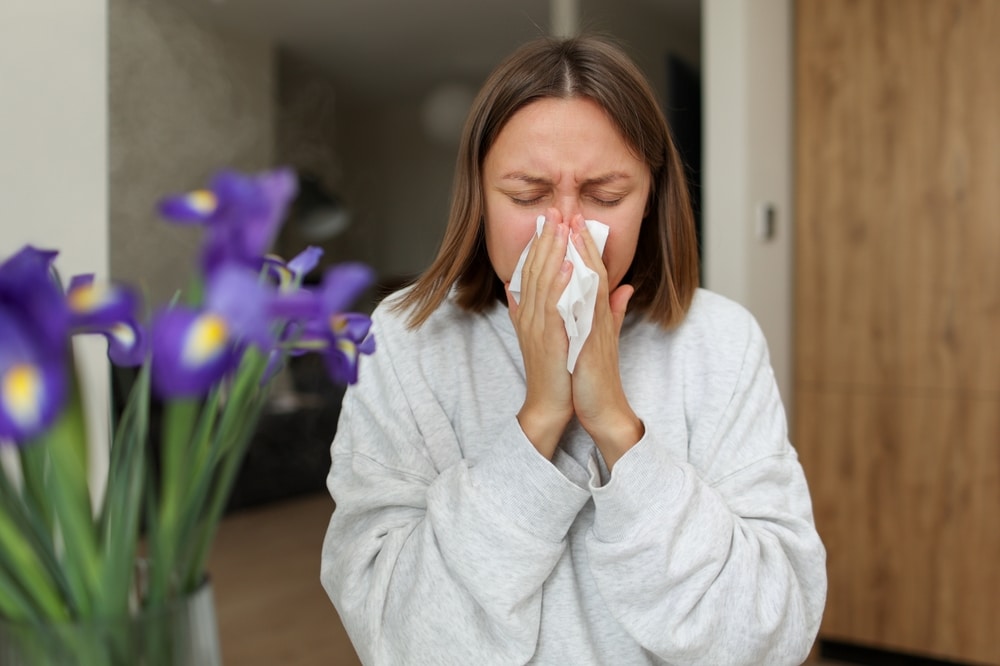
If your allergies are flaring up at home, it can feel like every corner of your space is conspiring against you. The reality is often simpler than that.
Allergens build up in hidden spots that often go unaddressed during routine cleaning, and professional cleaning specifically targets these overlooked areas, allowing for crisper, cleaner air.
Understanding Home Allergens
When people refer to “allergens in the home,” they typically mean minute particles that can provoke an immune response. You may inhale them, or they can settle on your skin, clothing, or even your workout gear, triggering reactions just when you’re trying to relax at home.
The most prevalent indoor allergens include dust mites, pet dander, and pollen that hitch a ride in on shoes or hair. Mold spores are additional culprits, thriving especially in humid areas like bathrooms and basements. If you prioritize fitness and well-being, this is significant; allergy symptoms can disrupt sleep, recovery, and even your breathing during workouts. A space that feels “clean” might still conceal numerous invisible allergens.
Why Allergens Persist Despite Cleaning
Allergens linger because homes are full of soft surfaces and hidden nooks. Dust mites favor textiles, pet dander clings to fabrics, and pollen settles into rugs and mats, becoming airborne whenever someone steps through. A single cleaning might improve appearances, but particles remain hidden.
Surprisingly, common cleaning methods can sometimes exacerbate the problem rather than alleviate it. For instance, dry dusting can kick fine dust into the air, where it can remain suspended. Sweeping can lead to the same outcome. Even a quick wipe-down can overlook edges and seams where allergens accumulate. Additionally, with studies indicating that 66 million tons of pollution were released into the atmosphere in 2023 alone, it’s easy to see how outdoor irritants make their way inside. Once inside, HVAC systems and fans recirculate these irritants, leading to a constant influx of the same particles throughout your home.
Effective Cleaning Tools and Techniques
A lot of benefits come from the approach you take rather than relying on any “secrets.” The right tools are essential because allergen control is fundamentally about managing particles. The aim is to capture and remove allergens rather than just shift them around.
- HEPA-filtered vacuums: These are designed to trap smaller particles, preventing them from being released back into the room.
- Damp wiping over dry dusting: A slight amount of moisture helps bind dust to surfaces, enabling better removal.
- Using microfiber cloths effectively: Microfiber cloths excel at capturing minute particles. Fresh cloths for various areas help avoid redistributing allergens.
- Top-to-bottom cleaning sequence: Start from high surfaces like ceiling fans and work down to the floors. This order prevents you from undoing your previous cleaning efforts.
- Specialized tools for edges and seams: Attachments for crevices and brushes effectively reach areas like baseboards and upholstery seams.
While some of this cleaning can be managed on your own, professional services ensure consistent, thorough cleaning that adheres to a precise routine.
The Most Allergic-Prone Areas in Your Home
Allergens often accumulate in spaces you rarely notice or fail to clean thoroughly, as they may require extra effort. Here are some of the areas where the highest concentrations of allergens can be found:
- Mattresses and bed frames: Dust mites flourish in warm fabric. If you wake up feeling congested, they might be the cause.
- Upholstered furniture and cushions: Dander and dust penetrate deeply within these items. Just fluffing pillows won’t eliminate what’s trapped inside.
- Baseboards and door trim: Dust tends to accumulate at lower levels, only to be disturbed and sent airborne again by airflow.
- Ceiling fans and vents: Dust, combined with air movement, creates a constant cycle of redistribution.
- Rugs and entryways: Outdoor debris and pollen settle here first before being tracked through the house.
- Pet areas: Beds, blankets, and feeding areas quickly accumulate dander.
Professional cleaning typically focuses on these problem areas, systematically reducing allergens over time.
The Impact of Professional Cleaning on Allergen Reduction
Professional cleaning proves effective due to its methodical approach. It centers around consistent removal rather than a dramatic one-time clean. A skilled team follows a structured routine. They begin at the top, addressing high-impact areas on every visit. This routine is crucial as allergens are continually reintroduced. The goal is to maintain a lower baseline to minimize flare-ups.
A professional cleaning service will focus on thorough coverage instead of just appearances. This includes reaching seams in upholstered furniture, baseboards, ledges, and surfaces high up. Floors are vacuumed using equipment with superior suction and filtration compared to everyday household vacuums. Fresh microfiber cloths are used for cleaning surfaces to capture particles rather than smearing them around.
Frequency of Professional Cleaning Services
The frequency of cleaning services depends on your specific allergies and home environment. A quieter home without pets and minimal outdoor foot traffic may need less frequent cleaning. Conversely, a busy household with pets, children, or constant visitors may require more regular cleaning due to constant allergen exposure.
Many households sensitive to allergens find benefit in setting up regular cleaning services to prevent dust and dander from accumulating. If your symptoms tend to worsen during certain seasons, scheduling deep cleaning sessions at the onset of those seasons can help lessen your baseline allergy levels. Homes with pets, in particular, may benefit from bi-weekly or monthly cleaning, as dander continually collects, even if your furry friend appears pristine.
How Maid Bright Addresses Allergens in Your Home
If you’re in the DC area, look no further than Maid Bright. Established in 2004, this family-owned service has built a strong reputation centered on reliability and quality. This consistency is crucial for reducing allergens because the outcomes are achieved through repetitive, structured routines.
Maid Bright emphasizes a detailed process. Customized consultations ensure the cleaning plan aligns with your home’s specific needs. The focus is on steadily reducing allergens, creating a living space that feels comfortable and clean.
Frequently Asked Questions
How does professional cleaning reduce allergens in the home?
Professional cleaning effectively reduces allergens by extracting dust, dander, and pollen from areas they often hide, such as upholstery seams, baseboards, rugs, and vents. The focus is on consistent capture and removal that minimizes accumulation over time.
Can deep cleaning help with pet dander?
Yes, deep cleaning plays a significant role in managing pet dander. Pet dander embeds itself in fabrics, carpets, and soft furniture. A thorough vacuuming strategy combined with damp wiping while focusing on pet zones can significantly reduce airborne particles.
Is an air purifier sufficient as a replacement for professional cleaning?
An air purifier can assist in removing airborne particles but falls short regarding particles trapped in textiles and on various surfaces. A combination of thorough cleaning and effective filtration provides the best results for a cleaner indoor environment.
The Bottom Line
The challenge of reducing allergens in your home often comes down to one straightforward reality: the triggers tend to reside in places you don’t reach when you’re tired or busy. Professional cleaning enhances your living space through thorough, repeatable methods. Consistently keeping allergen levels low can make your home feel more breathable and promote better sleep.