












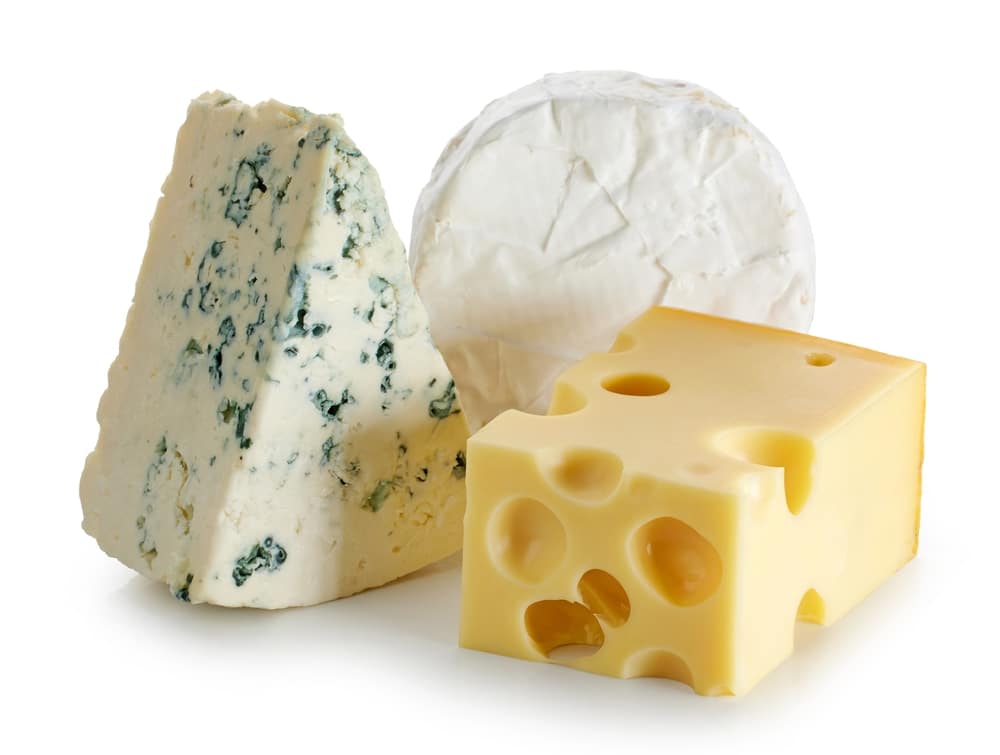
Cheese delights with its rich and creamy textures, making it a beloved treat for many. The typical American consumes nearly 42 pounds of this dairy product each year, with consumption steadily increasing. From sliced and shredded to melted and crumbled, it’s clear that cheese holds a special place in our hearts and diets.
Globally, cheese is embedded in culinary traditions. Before the advent of refrigeration, fermented dairy products were essential for prolonging shelf life. Today, we enjoy thousands of varieties, each offering unique flavors ranging from mild to robust.
Yet, despite our affection for cheese, many feel a tinge of guilt regarding its indulgent reputation. Statements like, “Cheese is my weakness,” resonate with the notion of dietary sinfulness associated with this savory delight. It’s often considered indulgent rather than wholesome. Concerns about its calorie, fat, and salt content complicate how we view cheese’s role in our diets. However, it’s also an excellent source of protein, calcium, and B vitamins—making it hard to categorize strictly as unhealthy.
The good news is that cheese can indeed fit into a healthy lifestyle and support muscle growth, as long as you navigate it wisely. Below, you’ll find essential cheese facts that might reshape your views before you place your next order from Domino’s.
How To Eat Cheese Guilt-Free
Savoring extra Parm on your pasta or enjoying a turkey sandwich complemented by Swiss? Modern research indicates that even full-fat cheese may have minimal adverse effects on heart health when consumed mindfully.
Surprisingly, recent studies suggest that cheese might not increase your risk of heart disease. One review indicates a potential inverse relationship between cheese intake and heart disease mortality. For instance, a meta-analysis found that individuals consuming about 1.5 ounces of cheese daily had a 10% lower risk of heart issues compared to non-consumers.
A six-week study revealed that participants consuming full-fat cheddar did not experience a rise in smaller, denser LDL-cholesterol particles, which are associated with heart disease risk. When compared to the same fat content from butter, cheese showed a different cholesterol response.
Experts theorize that cheese’s benefits may stem from its diverse nutrient profile. An ounce of cheddar contains approximately 5 grams of saturated fat. This is part of a complicated nutrition matrix, where various components like sphingolipids work together, potentially offsetting some of the negative impacts of saturated fats.
Cheese-making also changes how nutrients are arranged chemically, differentiating it from other dairy products like butter. This transformation may influence digestion and health effects, further complicating our understanding of its role in our diets.
Indeed, many studies focus on un-melted cheese, while the effects of melted variations remain unclear. Some initial research suggests un-melted cheese may be more beneficial for heart health, but further investigation is needed, especially considering melted cheese dominates American consumption through pizza.
Cheese can also acquire beneficial compounds during fermentation, such as Vitamin K2, essential for cardiovascular health. However, it’s worth noting that processed cheeses like Velveeta likely offer little vitamin K.
Diverse bacteria used in different cheeses contribute not only to flavor but potentially benefit gut health as well. However, the precise impact of cheese on the microbiome requires more research. For instance, we don’t know if a slice of Gouda delivers the same beneficial microorganisms as a cup of yogurt.
Interestingly, even with its high caloric density, cheese doesn’t mandate exclusion for those pursuing fitness goals. A significant study published in The New England Journal of Medicine tracked over 120,000 individuals for two decades, revealing that cheese consumption did not correlate with weight gain, even when dietary intake increased.
Its protein and fat content may help manage appetite, although robust research on cheese’s role in body composition is still missing. It’s likely to present issues only when it leads to excess calorie intake in conjunction with ultra-processed foods.
Cheese enthusiasts, rejoice! Cheese can support muscle growth too. A study in the Journal of Nutrition asked participants to consume either cheese or milk protein after weight training. Surprisingly, both forms supported muscle-building rates alike, reinforcing cheese’s place in post-training nutrition.
Also, cheese helps digest lactose better than other dairy forms, thanks to the bacteria used in its production. This process leaves many cheese varieties with little to no lactose, making them suitable for those with lactose sensitivity. Generally, harder cheeses like cheddar and provolone contain less lactose than softer types like cottage cheese.
Which Cheeses To Avoid
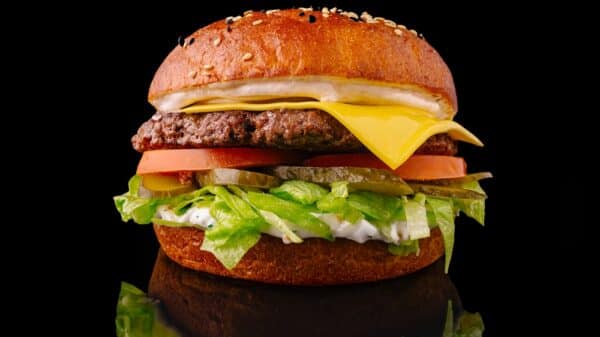
Things can take a downturn when cheese is part of an ultra-processed diet that’s heavy on calories, sodium, and saturated fats. Fast-food options like cheeseburgers and pizza may not be the best sources of nutrients. Many find that this pattern contributes to cheese’s negative image in our diets.
Processed options like American cheese and Velveeta lack the nutritional benefits of authentic varieties. Additionally, cheese-flavored snacks often contain minimal actual cheese, relying instead on artificial flavorings.
Certain cheeses can also be notably salty. Varieties such as feta and Parmesan can push sodium levels up, particularly when paired with other high-sodium foods. If consumed in moderation, they can integrate well in a balanced diet, but those with hypertension might need to monitor intake.
How To Choose The Right Cheese For Your Diet
You don’t need to avoid cheese unless your diet is overwhelmingly reliant on ultra-processed foods. If this positive perspective on cheese tempts you to indulge, here are some tips to keep in mind.
Watch Your Portions
To manage saturated fat and calories, limit your daily cheese intake to about 2 ounces, equaling 200 calories and approximately 10-12 grams of saturated fat. Understanding portion sizes is crucial, as many misjudge what that looks like. Research indicating cheese’s health benefits typically highlights daily servings around 1.5 ounces—far less than what can occur during pizza night.
There is No One Best Choice
While many articles promote “healthiest cheese” lists, truthfully, most real cheeses fit well into a moderate diet. Cottage cheese offers more protein compared to others, but it is distinct from other cheese varieties.
Be a Softy
Softer cheeses like fresh mozzarella or goat cheese generally carry fewer calories than harder types. Their higher moisture content translates to lower calorie density. For daily enjoyment while keeping calories in check, consider gravitating toward these delightful varieties, as they can enhance salads beautifully.
Swap it Out
Switching to cheese instead of more harmful foods can enhance your diet. Studies indicate that cheese’s health benefits are most pronounced when it replaces less nutritious options. Incorporate cheese as an alternative to fatty meats for greater health impact, rather than piling it atop refined carbs.
Add it to Healthier Foods
Using cheese as a flavorful addition to healthy foods offers a clever way to boost your nutrition. Sprinkle feta on salads, add aged cheddar to homemade chili, or blend ricotta into smoothies. These practices can enhance your meals while promoting better eating habits.
Don’t Sack the Fat
Full-fat cheese need not be avoided. It tends to be creamier and more satisfying. Research linking cheese consumption with health benefits generally emphasizes regular cheese rather than low-fat alternatives. Opting for light cheese can often lead to larger portion sizes, offsetting its calorie-saving intent.
As long as you manage saturated fat intake across your diet, you can enjoy generous helpings of flavorful cheese. Part-skim options like ricotta can provide beneficial nutrition while minimizing overall calorie intake.
Imitation Is Not Flattery
Avoid shortcut cheeses or those labeled as “cheese product.” Authentic cheeses are typically more nutritious. Reading ingredient lists for undesirable additives will help ensure you’re choosing higher-quality options. Some American cheeses may contain mostly water, meaning they offer fewer health benefits than genuine varieties. Aim for products with at least 51% cheese content to enjoy real flavor and nutrition.