















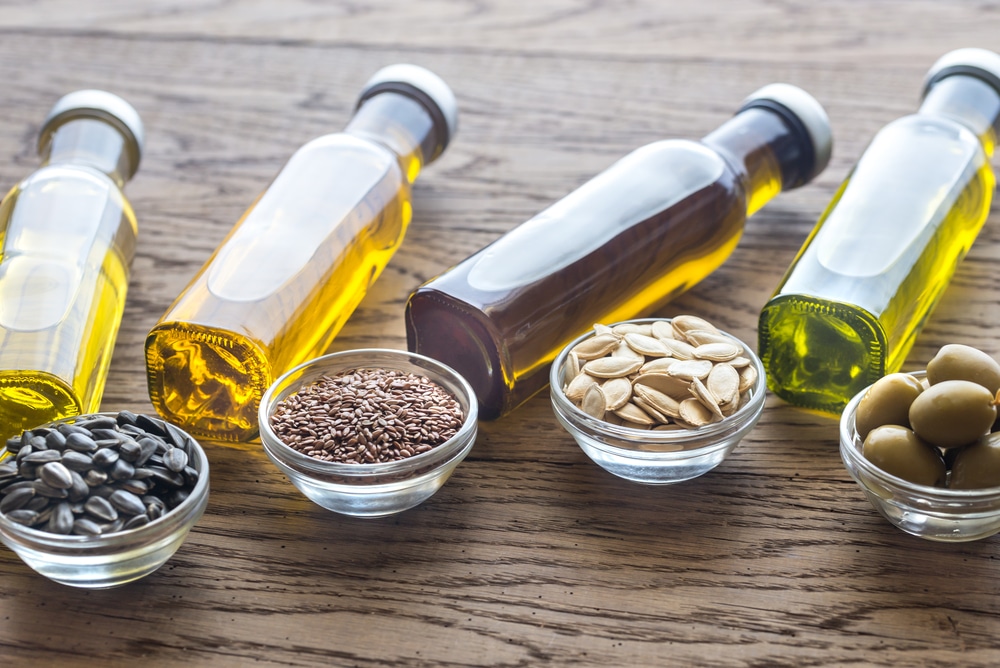
Seed oils, often termed vegetable oils, have become a focal point of debate in nutritional discussions. Many social media influencers and health officials emphasize their potential downsides, sparking questions about their safety and presence on grocery shelves. To navigate this topic effectively, it’s essential to differentiate between myths and facts surrounding seed oils.
What Are Seed Oils?
Seed oils are extracted from the seeds of various plants and are commonly utilized in cooking due to their neutral flavor and ability to withstand high temperatures. The extraction can be performed on a small scale, taking just a few hours, or on an industrial scale, which may extend for days. Here are some prevalent applications of seed oils:
- Cooking: These oils are staples in various culinary methods, including frying, baking, grilling, and salad dressings.
- Processed Foods: Seed oils are frequently incorporated in mass-produced snacks, condiments, frozen meals, and fast-food items.
- Beverages: Certain sodas and fruit drinks enhance flavor using brominated vegetable oil, derived from seed oil.
- Skincare Products: Popular skincare brands utilize oils like hemp oil for their potential anti-aging and antimicrobial benefits, alongside oils such as jojoba and grapeseed.
- Industrial Uses: Seed oils are found in various products such as lubricants, paints, and plastics.
Nutritional Insights of Seed Oils
Seed oils primarily consist of concentrated polyunsaturated fats, which contain omega-6 and minor quantities of omega-3 fatty acids. Omega-3 is recognized for its anti-inflammatory properties and heart health benefits, while omega-6 supports muscle development and brain function. Since the human body cannot synthesize these essential fatty acids, dietary intake is crucial.
Diverse seed oils offer varying nutritional profiles. For instance, pumpkin seed oil is particularly rich in vitamin E, while flaxseed oil is filled with antioxidants and omega-3 fatty acids.
Health Concerns Surrounding Seed Oils
The skepticism towards seed oils mainly arises from their ratio of omega-6 to omega-3, as noted in the MAHA Report. This report discusses the implications of an imbalanced ratio and the loss of micronutrients in heavily refined oils, potentially linking them to inflammatory conditions.
The report points to eight oils that often receive scrutiny: canola, corn, cottonseed, grapeseed, rice bran, safflower, soybean, and sunflower. These oils are frequently highlighted in discussions regarding health implications.
Debunking the Myths of Toxicity in Seed Oils
Concerns regarding the extraction methods of seed oils involve the use of chemicals, such as hexane. While some fear that these residues may pose health risks, research indicates that the levels remaining after processing are considered “toxicologically insignificant.”
Inflammation and Omega Fatty Acids: A Closer Look
Although omega-3 fatty acids can be converted into anti-inflammatory compounds within the body, omega-6 fatty acids can lead to inflammation if consumed in excessive amounts. While omega-6 is essential for the body, moderation is key. A typical Western diet tends to feature high levels of omega-6, which could trigger inflammation and contribute to chronic health issues when consumed in excess.
Integrating Seed Oils Into Your Diet
Before eliminating seed oils from your kitchen, it’s important to consider that their fatty acids serve valuable purposes in nutrition. Consuming them in moderation can fit into a balanced diet. Maintaining awareness of the smoke point and preparing meals with fresh ingredients, like vegetables and lean proteins, can enhance the healthiness of your cooking.
However, the real concern often lies with processed foods. While seed oils may be present, the actual detriment stems from other additives and preservatives commonly found in ultraprocessed options. These ingredients contribute significantly to the health risks associated with such diets.
Making Educated Choices About Seed Oils
Seed oils should not automatically be deemed unhealthy; their negative reputation is largely tied to their prevalence in ultraprocessed foods. To promote better health, it’s beneficial to focus on dietary quality and limit processed food intake, rather than merely cutting out seed oils.