












Nutrition significantly influences overall well-being, particularly heart health. Certain foods are known to improve cholesterol levels, consequently reducing the risk of cardiovascular diseases. Below are some standout foods that promote heart health effectively.
1. Beans
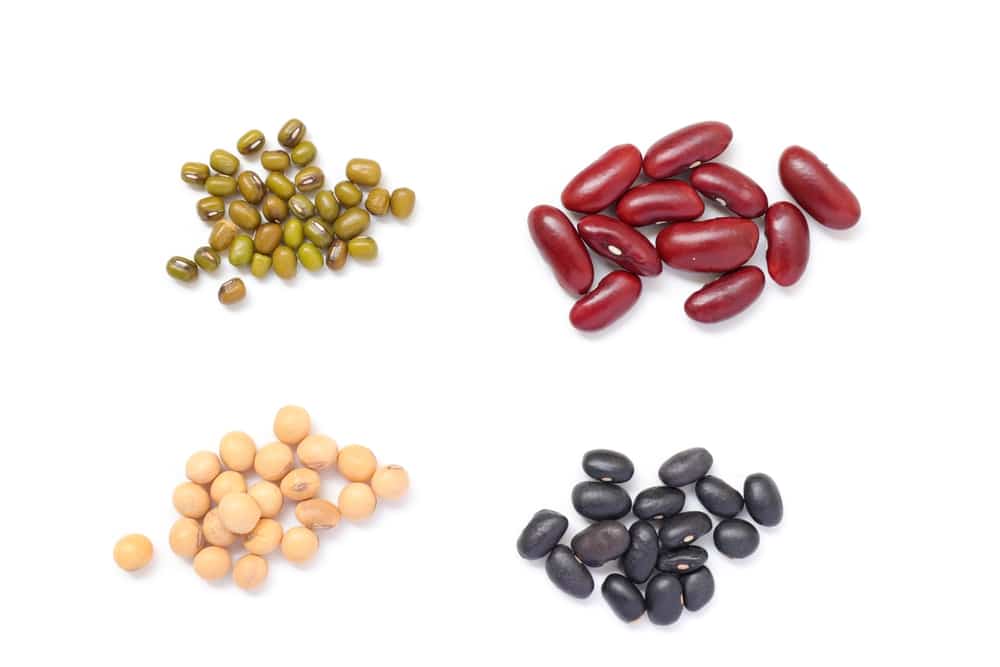
Beans are not only a great source of plant-based protein, but they are also packed with essential minerals such as iron and magnesium. What sets them apart is their high fiber content, particularly soluble fiber, which transforms into a gel-like substance in the digestive system. This unique property aids in lowering levels of low-density lipoprotein (LDL) cholesterol, often referred to as “bad” cholesterol.
2. Nuts
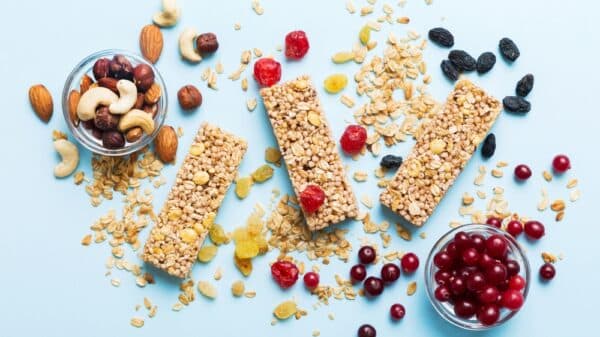
Nuts are nutrient-dense snacks that offer healthy fats, fiber, and antioxidants. Research indicates that regular nut consumption is linked to a lower risk of heart disease and coronary conditions. Among them, walnuts shine due to their rich content of alpha-linolenic acid (ALA), a form of omega-3 fatty acid helping to reduce cardiovascular disease risks. Almonds also present benefits by lowering LDL cholesterol and sustaining levels of high-density lipoprotein (HDL), or “good” cholesterol, thanks to their healthy fat and antioxidant profiles.
3. Avocados
This creamy green fruit is an excellent source of monounsaturated fats and dietary fiber, which are beneficial in lowering LDL cholesterol levels. Research shows that individuals who include avocados in their diet—especially those who are overweight—may significantly improve their cholesterol profiles, contributing positively to heart health.
4. Fatty Fish
Fatty fish like salmon, mackerel, and trout are celebrated as excellent sources of lean protein rich in heart-healthy omega-3 fatty acids. Experts often recommend a Mediterranean diet, which emphasizes fish, to enhance cholesterol levels. Studies suggest that those who frequently consume fatty fish are less likely to develop metabolic syndrome, characterized by high triglycerides and low HDL cholesterol.
5. Barley
Barley is a nutritious whole grain loaded with beta-glucans, a type of soluble fiber beneficial for heart health. These beta-glucans work by interacting with fats and bile salts in the digestive tract to lower cholesterol levels. A meta-analysis found that incorporating barley into one’s diet can significantly reduce LDL and other non-HDL cholesterol levels, offering a preventive measure against heart disease.
6. Soy
Soy products, such as edamame, tofu, and soy milk, are rich in plant-based protein. Consuming approximately 30 grams of soy per day has been linked with lower cholesterol levels, thereby reducing heart disease risk. Various studies indicate that soy can improve LDL, HDL, and overall cholesterol metrics in individuals with elevated cholesterol levels.
7. Dark Chocolate
In moderation, dark chocolate can be heart-healthy. The flavonoids found in dark chocolate have been associated with a reduced risk of cardiovascular disease. In studies comparing dark chocolate with milk chocolate, participants consuming dark chocolate showed significant decreases in total cholesterol and LDL levels, along with improved blood pressure. To reap these benefits, select chocolate with at least 70% cocoa content and limit your intake.
8. Apples, Citrus, and Berries
Fruits like apples, oranges, and berries are rich in vitamins, minerals, and antioxidants. The soluble fiber, pectin, present in these fruits helps lower cholesterol by limiting the cholesterol produced in the liver. A small study found that consuming two apples daily can result in lower LDL and total cholesterol levels. The polyphenols found in these fruits also have anti-inflammatory properties that contribute to improved heart health.
9. Vegetables
Vegetables are another essential component of a heart-healthy diet, as they provide numerous vitamins, minerals, fiber, and antioxidants while remaining low in calories. Research shows that the dietary fiber from vegetables can help mitigate the risk of heart disease by lowering LDL cholesterol levels effectively.
10. Tea
Both green and black teas are rich in polyphenols, which possess antioxidative and anti-inflammatory properties. These compounds may help in preventing heart disease and stroke. While research results can vary, many studies support tea’s positive effects on heart health.
11. Olive Oil
Olive oil, especially extra virgin, is a cornerstone of the Mediterranean diet and is well-regarded for its heart health benefits. It is rich in monounsaturated fats and polyphenols, which regulate LDL cholesterol and minimize inflammation. Replacing saturated fats with extra virgin olive oil can yield significant heart-protective advantages.
12. Foods Fortified with Plant Sterols and Stanols
Plant sterols and stanols are naturally occurring compounds found in various plant foods. They significantly lower cholesterol absorption in the body. Many food products, such as spreads, juices, and fortified grains, now include these beneficial compounds. Consuming around 2 grams daily can lower LDL cholesterol by 8% to 10%, showcasing their heart health potential.