














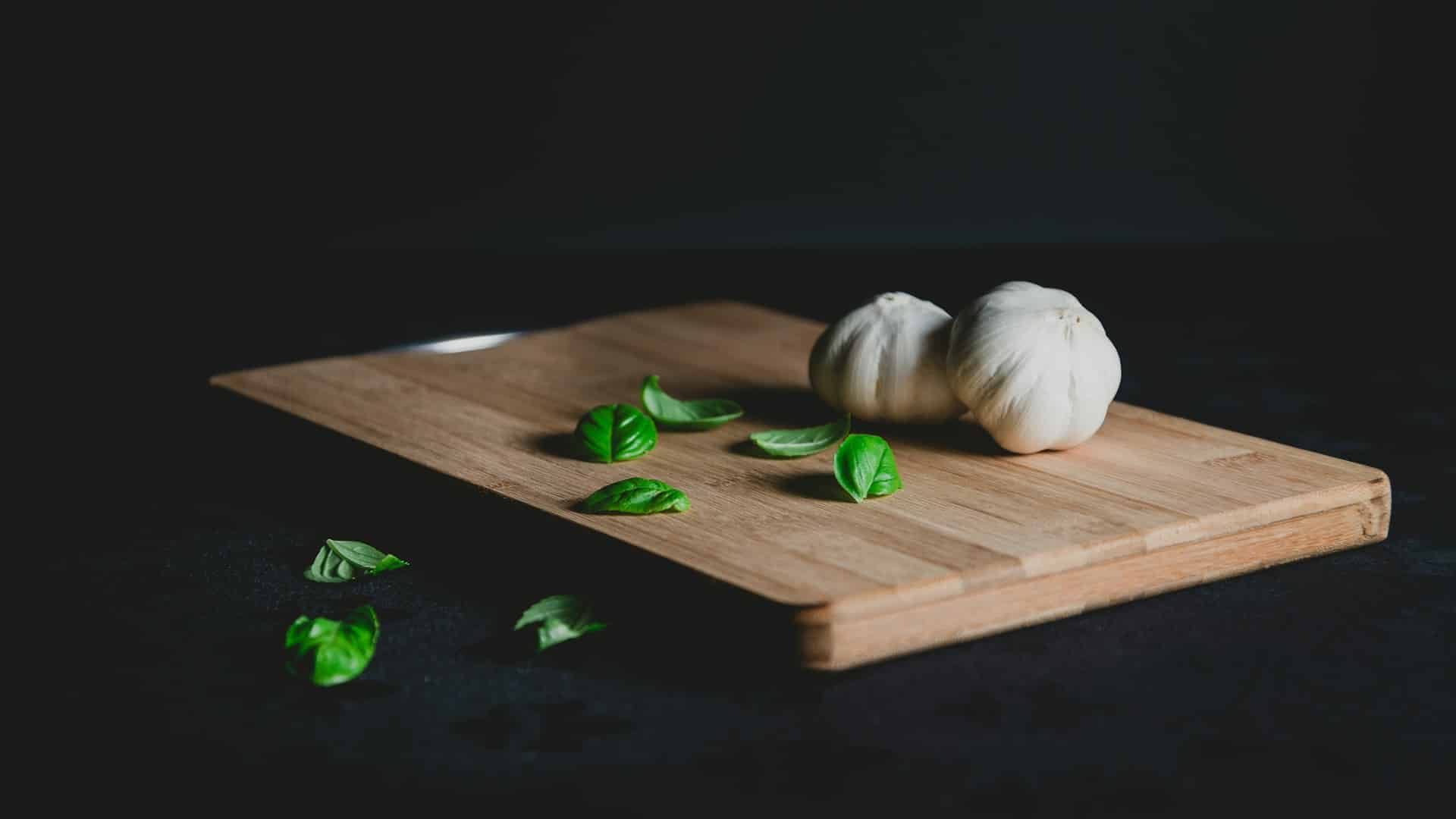
Garlic isn’t just an ingredient that can bring flavor to your favorite dishes; it’s a powerhouse of health benefits that your body will thank you for. This little bulb packs a punch with its antioxidant, anti-inflammatory, and antibacterial properties. When you make garlic a regular part of your diet, you could be taking significant steps to support your heart, liver, immune system, and digestive health — among other benefits.
Your Immune System Gets Stronger
One of the standout benefits of garlic is its ability to bolster your immune system. Research has shown that garlic boasts antiviral effects against several viruses often responsible for widespread infections—including the flu and common respiratory viruses. If you’ve ever felt run down during flu season, adding garlic to your meals might just be what your body needs. Consider this: garlic has shown promise against Human Immunodeficiency Virus (HIV), herpes simplex virus, and even rotavirus, among others. The secret lies in its organosulfur compounds, which enhance your body’s ability to combat these threats.
Moreover, garlic does more than just kick viruses to the curb; it also wards off harmful bacteria and fungi. This means it can enhance the effectiveness of antibiotics, especially against antibiotic-resistant strains, which is becoming a growing concern in modern medicine. Imagine tackling a health challenge with not just conventional treatments, but also with the natural power of garlic.
Your Cancer Risk Decreases
If you’re worried about cancer—something that crosses many of our minds these days—garlic has shown promise here too. Studies have indicated that the compound might have protective effects against various forms of cancer, including lung, breast, and stomach cancers. It’s like a shield, helping your body fight against the uninvited guests that could sabotage your health.
But garlic doesn’t stop at just prevention; it actively works to repair DNA damage, halt cancer cell growth, and reduce inflammation—all vital for maintaining your cellular health. This means that not only could garlic reduce your risk, but it might also aid in the ongoing battle if cancer does occur.
Your Cholesterol Levels Drop
You’ve probably heard about “good” and “bad” cholesterol, but navigating cholesterol levels can be frustrating. Luckily, garlic may help you on your journey toward lowering cholesterol. A comprehensive review of studies found that garlic can effectively reduce overall cholesterol and LDL (the “bad” cholesterol). It’s like finding an ally in the fight against heart disease, one meal at a time. By refining cholesterol absorption and reducing synthesis, garlic empowers you to take control of your heart health while still enjoying flavorful meals.
Your Blood Pressure Decreases
For those grappling with high blood pressure, garlic can be a game-changer. A study involving individuals with hypertension revealed that garlic supplements were able to lower blood pressure levels comparably to conventional antihypertensive medications. This is particularly encouraging for anyone looking for natural ways to manage their blood pressure. The findings suggest that incorporating garlic into your diet could offer a reduction in cardiovascular risks by up to 40%. It’s a simple addition that could make a big difference.
Your Liver Health Improves
Your liver works tirelessly to detoxify your body, and garlic can lend it a helping hand. Research indicates that garlic may significantly aid in improving conditions like nonalcoholic fatty liver disease. In a study, 51% of participants taking garlic showed marked improvements compared to only 16% in the placebo group. When considering your overall health, nurturing your liver is key, and garlic might just be the support it needs.
Furthermore, the benefits extend to liver cancer prevention as well. Imagine nourishing your body and giving your liver the boost it needs, all while enjoying that distinct garlicky flavor.
Your Gut Microbiome Diversifies
Garlic isn’t just a friend to your immune system and cholesterol levels; it’s also beneficial for your gut health. Evidence shows that garlic can enhance the diversity of your gut microbiome, contributing positively to digestion and metabolic health. In a world where dietary habits often lead to digestive woes, garlic could be the natural prebiotic you’ve been seeking, helping to maintain balance in your gut microbiome.
Nervous System Is Protected
Feelings of stress and anxiety? Garlic could contribute to soothing those tensions too. This humble bulb has demonstrated protective effects for your nervous system, including your brain. Studies suggest that aged garlic can help ward off neurodegenerative disorders. It’s like having an extra layer of protection for your mental well-being, giving you one less thing to worry about in our fast-paced world.
Your Kidneys Function Better
Finally, let’s talk about your kidneys. These organs are vital for filtering waste from your blood and balancing bodily fluids. Garlic might play a part in reducing the risk of kidney disease by lowering blood pressure and oxidative stress. When your kidneys are happy, your entire body can function better, giving you one less hurdle to navigate in your daily life.
Adding garlic to your diet is a small change that can yield significant benefits for nearly every aspect of your health. Whether it’s through a simple addition to a stir-fry, a flavorful garlic infusion in soups, or just a sprinkle on roasted veggies, embracing this mighty bulb offers you a natural way to empower your health. So, the next time you find yourself reaching for those cloves, remember: you’re not just cooking; you’re investing in a healthier you.Garlic has long been celebrated not just for its culinary prowess but also for its remarkable health benefits. Research indicates that the effects of garlic can rival or even surpass those of Cozaar (losartan), a commonly prescribed medication used to manage high blood pressure. This revelation underscores garlic’s potential as a natural ally for your health.
Timing Your Garlic Intake
When it comes to incorporating garlic into your daily routine, there’s flexibility. You might enjoy it first thing in the morning, toss it into your favorite meal, or even opt for a supplement at night. The key takeaway is to find what suits your taste and lifestyle the best. After all, consistency is crucial—when you enjoy it, you’re more likely to make garlic a regular part of your diet.
Raw Garlic Nutrition Facts
If you’re wondering what exactly you’re getting from garlic, consider this: just three cloves of raw garlic pack a punch of nutrition. You’re looking at:
– Calories: 13.4
– Protein: 0.572 grams
– Carbohydrates: 2.98 grams
– Calcium: 16.3 milligrams
– Magnesium: 2.25 milligrams
– Phosphorus: 13.8 milligrams
– Potassium: 36.1 milligrams
– Sodium: 1.53 milligrams
These numbers highlight how a simple, flavorful ingredient can contribute so positively to your nutrient intake.
The Power of Garlic Compounds
Garlic is bursting with bioactive compounds known for their health-promoting properties, including:
– Allicin
– Alliin
– Diallyl sulfide
– Diallyl disulfide
– Diallyl trisulfide
– Ajoene
– S-allyl-cysteine
Each of these compounds plays a role in garlic’s extensive health benefits, from its anti-inflammatory effects to its impact on heart health.
Raw vs. Cooked Garlic
Now, you might wonder if raw garlic is truly superior to its cooked counterpart. While raw garlic retains the maximum amount of nutrients, it’s important to note that cooking can enhance certain antioxidant activities. However, the antimicrobial properties tend to diminish, sometimes vanishing completely with heat.
Exploring Garlic Supplements
If you find it challenging to incorporate enough garlic into your meals, garlic supplements can serve as a practical alternative. They offer similar health benefits to those found in fresh garlic, making them a convenient option for those on the go. However, caution is warranted when it comes to dosage. While garlic is generally safe for most individuals, high doses or consumption during pregnancy or nursing should be approached with care.
Who Should Consider Avoiding Garlic?
While garlic is a safe and nutritious choice for many, some people should proceed with caution. Consider limiting or avoiding garlic altogether if you:
– Have a known allergy to garlic or other allium species (onion, leeks, shallots).
– Suffer from heartburn; garlic can exacerbate symptoms.
– Take blood thinners or other medications that may interact with garlic. Always consult with a healthcare provider before adding garlic to your regimen if you fall into this category.
– Are planning surgery; inform your surgeon about garlic consumption due to its blood-thinning effects.
How Much Garlic Is Too Much?
Surprisingly, there are no strict guidelines about garlic consumption. Generally, one clove is a serving size. Going beyond this may increase the chances of experiencing side effects. Common complaints from overindulgence include garlic breath, body odor, and gastrointestinal disturbances like gas or bloating.
Key Takeaways
Garlic is among the most researched medicinal herbs, resulting in a wealth of evidence supporting its many health benefits. Its powerful anti-inflammatory, antimicrobial, and anticancer properties make it a formidable option for enhancing overall well-being. So, whether you’re looking to boost heart health, improve liver function, or support kidney health, think of garlic as a versatile ally in your nutritional arsenal.
Image Source: Unsplash