















Food is more than just a source of nourishment; it’s the foundation of our health at every stage of life. Think of food as your body’s toolkit, equipped with essential macronutrients—carbohydrates, fats, proteins, and water—as well as micronutrients that include vital vitamins and minerals. Each nutrient plays a unique role, helping us thrive and feel our best. However, it’s crucial to keep in mind that not getting enough of these nutrients, or having too much, can lead to health issues.
Carbohydrates
Carbohydrates are the primary fuel for our bodies, especially our brains. They break down into glucose and other simple sugars, providing energy at the rate of 4 calories per gram—think of it as the equivalent of gas in your car.
There are two main types of carbs that you should know about:
– Simple carbohydrates: These are short-chain molecules that include sugars found naturally in fruits, some vegetables, dairy products, and honey. They give you a quick boost of energy.
– Complex carbohydrates: These consist of long-chain molecules, including starch and fiber, typically found in whole grains, legumes, and many vegetables. They take a bit longer to digest, providing steady energy instead of quick spikes.
Including a balance of both simple and complex carbohydrates in your meals can make a significant impact on your overall diet quality and health. The truth is, not all carbohydrates are created equal. Some sources pack in a wealth of fiber, vitamins, and healthy fats, while others may not.
For adults specifically, it’s recommended to aim for about:
– 1.5 to 2 cups of fruit daily
– 2 to 3 cups of vegetables daily
– Three to six servings of whole grains daily
– Three servings of low-fat dairy or non-dairy equivalents
– One to three servings of legumes each week
These guidelines promote balanced nutrition, and adhering to them can help you lead a healthier life.
Core Elements of a Healthy Eating Plan
The U.S. Department of Agriculture’s Dietary Guidelines for Americans (2020–2025) outlines that a well-rounded eating plan should include:
– A variety of vegetables from all subgroups—think dark greens, reds and oranges, legumes, starchy options, and more.
– Whole fruits, especially when fresh.
– Grains, with at least half being whole grains to maximize nutrient intake.
– Fat-free or low-fat dairy, such as milk, yogurt, and cheese.
– A mix of protein sources, including seafood, lean meats, eggs, legumes, and nuts.
– Healthy oils, like those from vegetables and nut-based sources.
Protein
Protein is another essential macronutrient that serves as the building block for nearly every part of the body—it’s what helps form muscles, bones, skin, and cartilage. You might know it as the nutrient that supports big, strong muscles, but its benefits go far beyond that; it plays a critical role in cell repair, immune function, and even transporting vitamins and minerals within your body.
Protein is made up of chains of amino acids, and there are 20 different ones our bodies use. Among these, 9 are essential, meaning our bodies can’t produce them and we must obtain them from food.
Here’s where you can find protein:
– Plant sources: These include legumes, whole grains, nuts, seeds, and various vegetables.
– Animal sources: This category encompasses eggs, dairy, meat, poultry, and fish.
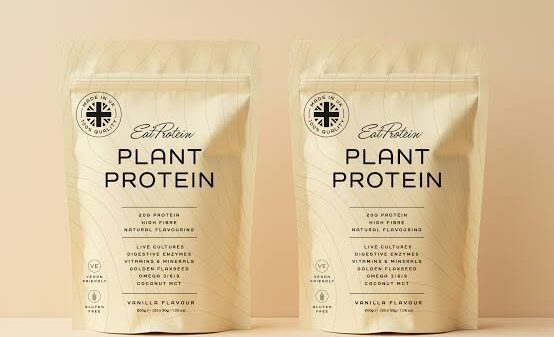
– Packaged foods: You’ll also find protein in many packaged foods, including protein powders and bars.
The recommended daily allowance (RDA) for protein is generally about 0.8 grams per kilogram of body weight. For example, a person who weighs around 150 pounds (or 68.2 kilograms) should aim for approximately 55 grams of protein each day.
It’s important to remember that certain groups of people may need more protein, including athletes, individuals trying to build muscle, those recovering from illness or injury, or older adults who want to prevent muscle loss.
Individualized Nutritional Needs
Everyone’s dietary needs are unique. Factors like age, gender, activity level, and health conditions can influence how much of each nutrient you should be getting. Recognizing this individuality is crucial in creating a sustainable and healthy eating pattern that works for you.
By understanding the roles of carbohydrates and protein, you can make informed choices that not only support your energy needs but also foster overall health and well-being. Remember, nutrition isn’t one-size-fits-all, so be open to tailoring your diet to what fits best with your lifestyle and goals.Understanding that our nutritional needs are unique can be incredibly empowering. Factors such as sex, age, medical conditions, medications, cultural backgrounds, activity levels, and personal nutrition goals all play a crucial role in what we should eat. This personalized approach to nutrition is more than a fad—it’s a crucial step towards fostering a healthier life tailored just for you.
Fat: A Source of Energy and Vital Nutrients
Fat often gets a bad rap, but it’s essential for our bodies. Did you know that fat provides a whopping 9 calories per gram? This makes it one of our primary sources of energy. Beyond just fuel, fats play vital roles in our bodies, including:
– Absorbing Fat-Soluble Vitamins: Vitamins A, D, E, and K require fat to be absorbed efficiently, meaning that without adequate fat intake, you might miss out on these essential nutrients.
– Cell Signaling and Organ Insulation: Fats assist in communication between cells and help insulate our vital organs, keeping them safe and functioning.
– Maintaining Cell Structure: They are crucial for the structure and function of cell membranes, ensuring our cells can communicate effectively.
Let’s not forget the sensory aspects: fat enhances the flavor, texture, and feeling of fullness in our meals. Consider how a drizzle of olive oil can elevate a simple salad, or how a dollop of avocado can make a dish feel luxurious.
When discussing essential fats, we’ll often hear about:
– Polyunsaturated Fats: These include omega-3 and omega-6 fatty acids, which are vital for brain health and overall bodily functions.
– Other Types of Fats: While saturated and trans fats are best limited, monounsaturated fats (like those found in avocados and nuts) can promote heart health.
The ideal fat intake differs from person to person, depending on individual needs and health conditions. For instance, the American Heart Association (AHA) recommends that no more than 6% of your daily calorie intake comes from saturated fat to maintain heart health.
If you’re curious about healthy fat sources, think about incorporating more of these into your meals:
– Avocados: Creamy and nutrient-rich, they can enhance almost any dish.
– Nuts and Seeds: Whether it’s a handful of almonds as a snack or sprinkle of chia seeds on your smoothie, they pack a nutritious punch.
– Fatty Fish: Salmon or mackerel not only taste delicious but are also rich in those coveted omega-3s.
– Olive Oil: A staple in many kitchens, it can be used for cooking or as a salad dressing.
These healthy fats are not just about calories; they deliver essential nutrients like omega-3 fatty acids and help your body absorb vitamins, all while supporting heart and brain health.
Water: The Lifeblood of Your Body
It’s easy to overlook, but did you know that your body is made up of about two-thirds water? No wonder hydration is so critical! Every single cell in your body relies on water to function and repair itself. Going without water can be dangerous; most people can only survive a few days without it. Here’s how water serves your body:
– Preventing Dehydration: Staying hydrated is basic but essential; without adequate water, your organs struggle to function properly.
– Lubricating Joints: Water acts as a lubricant, cushioning your joints to keep you moving comfortably.
– Regulating Body Temperature: Sweating helps cool your body down and maintain an even temperature.
– Removing Waste: Water facilitates the removal of waste through urine, sweat, and bowel movements, helping to detoxify your body.
When it comes to how much water you should drink, it can vary significantly based on:
– Your activity level
– If you’re feeling ill or running a fever
– Any medications you’re taking
– How much you sweat during the day
On average, men may need about 15.5 cups (roughly 3.7 liters) of fluids daily, while women may need around 11.5 cups (about 2.7 liters). Keep in mind, this includes all fluids, not just plain water.
Vitamins: Essential Compounds for Optimal Health
Vitamins are another critical aspect of nutrition, often referred to as the building blocks of good health. These organic compounds are required in small amounts to maintain everything from growth to metabolism. Vitamins fall into two categories:
1. Water-Soluble Vitamins: These include the B-vitamins (like B1, B2, B3, B5, B6, B7, B9, and B12) and vitamin C. Since these are not stored in the body, regular intake is necessary.
2. Fat-Soluble Vitamins: This group consists of vitamins A, D, E, and K. These can be stored in your body’s fatty tissues, allowing for more flexibility in intake.
While you can obtain these vitamins from a balanced diet filled with fruits, vegetables, whole grains, and proteins, some individuals may benefit from supplements to fill those nutritional gaps. It’s crucial to consult a healthcare provider before starting any new vitamin regimen to ensure it meets your specific health needs.
Minerals: The Unsung Heroes of Nutrition
Minerals are just as essential as vitamins, facilitating numerous bodily processes. From building strong bones to regulating your heart rhythm, minerals like calcium, iron, and magnesium play vital roles. Just like with vitamins, you can ideally get all your mineral needs met through a varied and balanced diet, rich in fruits, vegetables, whole grains, and protein sources.
Understanding the fundamentals of nutrition doesn’t have to feel daunting. Tailoring your diet to meet your unique needs can transform the way you feel and function every day. Embrace this journey of discovering what nourishes you best!Minerals might not be the first thing that comes to mind when you think about your diet, but they play a vital role in keeping your body functioning like a well-oiled machine. These inorganic molecules are essential for everything from strong bones and healthy muscles to a well-working heart and brain. They’re key players in producing hormones and enzymes, making them critical for your overall health.
When we talk about minerals, they fall into two broad categories: **macrominerals** and **trace minerals**. Macrominerals are needed in larger amounts, while trace minerals, as the name suggests, are required in smaller doses.
The Key Players
Let’s break it down. The macrominerals you need include:
– Calcium – Essential for strong bones and teeth.
– Chloride – Helps manage fluids in the body.
– Magnesium – Important for enzyme functions and energy production.
– Phosphorus – Works alongside calcium for bone health.
– Potassium – Key for heart and muscle function.
– Sodium – Important for fluid balance.
– Sulfur – Plays a role in various cellular functions.
Now, moving on to trace minerals. These might be small in quantity, but they are mighty in importance:
– Cobalt – Crucial for producing red blood cells.
– Copper – Helps form hemoglobin and collagen.
– Fluoride – Important for dental health.
– Iodine – Essential for thyroid hormone production.
– Iron – Key for transporting oxygen in the blood.
– Manganese – Involved in metabolism and antioxidant functions.
– Selenium – Acts as an antioxidant.
– Zinc – Vital for immune function and wound healing.
Eating Right
To ensure you meet your mineral needs, a varied diet is essential. But let’s be honest—sometimes that’s easier said than done. If you take certain medications or have health conditions like kidney disease, you might need to potently monitor your mineral intake. In such cases, consulting with a healthcare professional is a wise choice, as they can guide you on the right path regarding possible supplementation.
So, what are the foods that can help you hit those mineral targets? Here’s a list to set you off:
– Leafy Greens (like spinach and kale) are packed with iron, magnesium, and calcium.
– Nuts and Seeds (think almonds and pumpkin seeds) provide a solid dose of magnesium, zinc, and selenium.
– Legumes (such as lentils and chickpeas) are fantastic sources of iron and potassium.
– Dairy Products (like milk and yogurt) offer calcium and potassium.
– Fatty Fish (think salmon and sardines) not only give you calcium but also iodine.
– Whole Grains (like oats and quinoa) can be great sources of iron and magnesium.
– Bananas are a popular potassium powerhouse.
– Avocados do double duty with potassium and magnesium.
– Dark Chocolate (bonus!) is not just a treat; it also provides iron and magnesium.
– Eggs bring phosphorus and selenium to the table.
– Seaweed is a surprising yet excellent source of iodine.
– Beef and Poultry deliver iron, zinc, and phosphorus.
Other Important Nutrients
It’s also worth mentioning that not all crucial nutrients fall under the “essential” umbrella. For instance, plant-based compounds, including antioxidants and polyphenols, have been shown to provide notable health benefits even though they aren’t classified as essential.
“Essential” nutrients are those your body can’t produce by itself, while “conditionally essential” nutrients are those your body might require during specific times, like stress or illness.
Risks of Nutritional Deficiencies
Now, let’s talk about what happens when you don’t get enough of these essential minerals. Nutritional deficiencies can set in due to restrictive diets, food insecurity, absorption issues, or heightened nutritional needs during different life stages. For example, if you’re spending a lot of time indoors or have a condition that limits fat absorption, you might find yourself at risk for Vitamin D deficiency. If you suspect you might be lacking in any area, it’s best to check in with your healthcare provider.
Key Takeaways
Ultimately, your body thrives on a balanced mix of carbohydrates, proteins, fats, water, vitamins, and minerals. Remember, everyone’s nutritional needs vary; what helps one person might not work for another. The key is enjoying a rainbow of fruits, vegetables, whole grains, lean proteins, and healthy fats—each plays a role in supporting your well-being.
Taking charge of your health is a journey, so treat your body well; it’s the only place you have to live!
Image Source: Unsplash