















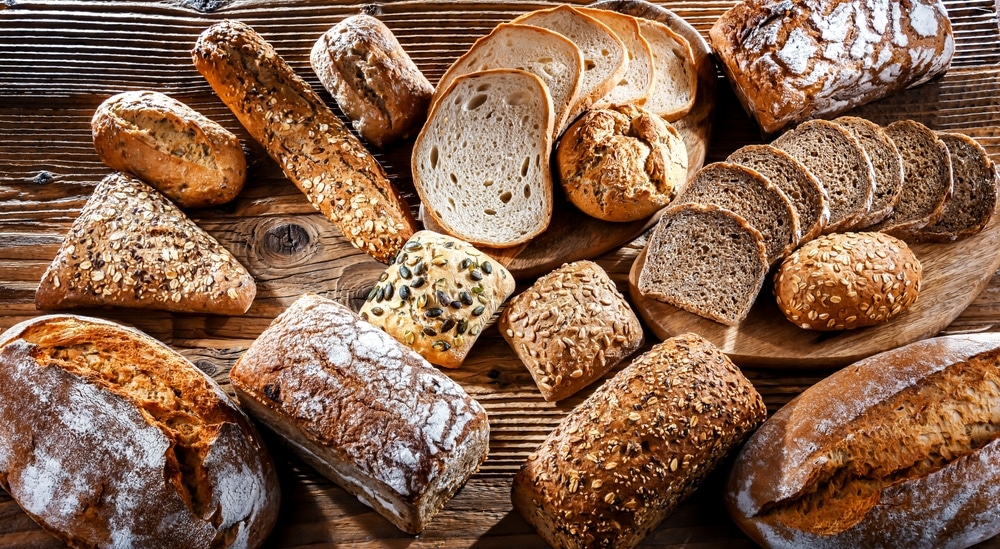
- Starches serve as a fundamental source of energy within our diet, being a significant type of carbohydrate.
- It’s crucial to choose starches wisely, as some are richer in nutrients and are digested more gradually, offering greater health benefits.
- Incorporating high-fiber starches into a balanced diet, along with non-starchy foods, fosters better blood sugar control and overall health.
Starches are one of three primary types of carbohydrates, the others being fiber and sugar. Understanding the impact of various starchy foods on your body can guide you in making healthier choices for your diet.
1. Potatoes
Potatoes, including varieties like sweet potatoes, are a significant source of carbohydrates that provide lasting energy. White potatoes are abundant in nutrients like potassium, vitamin C, and fiber—particularly when consumed with the skin. These nutrients are beneficial for heart health, immune support, and digestion.
Sweet potatoes are particularly rich in beta-carotene, an antioxidant that enhances eye health and boosts the immune system.
What Is Dietary Starch?
Starch is a complex carbohydrate formed by long chains of sugar molecules. Unlike simple carbohydrates, it is digested more slowly, contributing to sustained energy levels.
2. Corn
Whole corn is an excellent source of dietary fiber, promoting digestive health and helping maintain stable blood sugar levels. It’s also packed with essential vitamins that support immune function.
Different forms of corn, such as cornmeal and cornstarch, are rich in antioxidants like lutein and zeaxanthin, which shield your eyes from potential harm caused by blue light from screens.
3. Rice
Rice, including varieties like white, brown, jasmine, and basmati, is gluten-free and offers vital nutrients and energy. Whole-grain options, such as brown rice, are particularly beneficial, providing additional fiber and nutrients.
Brown rice retains its bran and germ, resulting in a higher fiber content along with important vitamins and minerals like magnesium, which supports heart health and digestive function.
4. Bread
Whole-grain breads, such as those made with whole wheat flour, preserve the bran, germ, and endosperm, providing abundant fiber and essential nutrients that contribute to better digestive health and energy production.
Fortified breads offer additional vitamins and minerals, while whole-grain varieties promote a longer-lasting feeling of fullness due to their nutrient density and fiber content.
5. Pasta
Whole-grain pasta varieties, including whole wheat pasta, contain higher fiber and nutritional content than traditional white pasta. These nutrients play a significant role in maintaining heart health, digestion, and overall energy levels.
While traditional white pasta is more processed and lower in fiber, it is a quick source of carbohydrates. Pairing it with nutritious toppings, like vegetables and lean proteins, ensures a balanced meal.
6. Breakfast Cereal
Whole-grain cereals made from oats or whole wheat are high in fiber, which aids digestion, supports heart health, and helps to stabilize blood sugar levels. Many cereals are fortified with essential vitamins and minerals, making them an excellent choice for nutrient absorption.
On the other hand, highly processed cereals are often low in fiber and may contain high levels of added sugars. Opting for whole-grain, low-sugar options maximizes nutritional benefits.
7. Oats
Oats are rich in soluble fiber, which is effective in lowering cholesterol and enhancing heart health. They provide key nutrients such as B vitamins, iron, and magnesium, essential for energy metabolism.
With a low glycemic index, oats release energy gradually, helping maintain stable blood sugar levels while their fiber content promotes satiety.
8. Legumes
Legumes, which comprise beans, lentils, and peas, are outstanding slow-digesting energy sources. Their high protein content distinguishes them from other starchy foods.
Additionally, legumes are rich in fiber, supporting digestive health and blood sugar management. They provide essential nutrients for energy production and maintaining normal blood pressure.
9. Plantains
Plantains are a rich source of fiber that promotes digestion and helps to stabilize blood sugar levels. Additionally, they are loaded with vital vitamins and minerals such as vitamin C, A, and potassium—elements critical for heart and immune health.
10. Tapioca
Tapioca, derived from cassava, is primarily composed of starch and offers a low-fat, low-protein source of carbohydrates. Often utilized as a thickening agent, it serves as an effective energy source in various dishes.
Gluten-Free Starchy Foods
For individuals with celiac disease or gluten sensitivity, gluten-free starchy foods include:
- Amaranth
- Buckwheat
- Corn and its derivatives like cornmeal
- Quinoa
- Various rice types (brown, wild, black)
- Sweet potatoes
- Tapioca
Why Are Starchy Foods Important?
Dietary starches represent a vital carbohydrate category within many plant foods, taking longer to digest and converting to glucose for sustained energy release. This complex structure enables a gradual energy supply, unlike the quick spikes from simple sugars.
Starches can be categorized into two types:
- Digestible starches: These convert to glucose and serve as energy sources, found in grains, starchy vegetables, and legumes.
- Resistant starches: These travel undigested to the large intestine, acting like fiber. Foods such as green bananas and cooled potatoes are rich in this type.
Because of their slower digestion, starches provide a steadier energy release. The overall health impact of starches largely relies on their source, with unrefined varieties generally offering higher nutritional value.
Ideal starchy foods to include in your diet are those that are minimally processed and nutrient-dense, contributing to sustained energy levels and vital nutrients.
Among the best starchy foods to consider for your meals are:
- Legumes such as beans, chickpeas, and lentils
- Sweet potatoes
- Whole grains like quinoa, brown rice, and 100% whole wheat bread
These options provide slow-digesting carbohydrates that keep you full and help regulate blood sugar levels, playing a crucial role in weight management.
Reasons to Cut Back on High-Starch Foods
While many starchy foods are nutritious, certain types may need to be limited in your diet, especially if you aim for better blood sugar control. These include:
- Processed starchy foods (like white bread and sugary cereals) can lead to rapid blood sugar fluctuations.
- A diet rich in starchy foods may contribute to insulin resistance, raising the risk of type 2 diabetes.
- Consuming energy-dense starchy foods could lead to weight gain and increased insulin resistance.
- Many refined starches lack essential nutrients and fiber compared to fruits and whole grains.
- Incorporating more complex carbohydrates and non-starchy foods may enhance diabetes management, with non-starchy vegetables providing substantial protective benefits.
Examples of nutritious low-starch vegetables include:
- Bell peppers
- Cruciferous vegetables such as broccoli, kale, and cauliflower
- Cucumbers
- Leafy greens like spinach and Swiss chard
- Mushrooms
- Tomatoes