











Green tea is widely celebrated for its numerous health benefits, and among the various types, hojicha and matcha hold a special place in the hearts of tea enthusiasts. This article delves into the unique characteristics and health benefits of these two green teas.
What is Hojicha?
Hojicha is a roasted green tea, traditionally made from sencha or bancha leaves. Its distinct process involves roasting the leaves over high heat, which gives it a unique, mellow flavor that sets it apart from other green teas. The roasting process also reduces caffeine levels, making hojicha a great option for those who wish to enjoy tea without the jitters.
Insights on Hojicha:
– Flavor Profile: Unlike the grassy taste of many green teas, hojicha is characterized by its deep, nutty flavor with a slightly sweet finish.
– Caffeine Content: The roasting process reduces the caffeine content, making it ideal for those sensitive to caffeine or looking for a soothing evening drink.
What is Matcha?
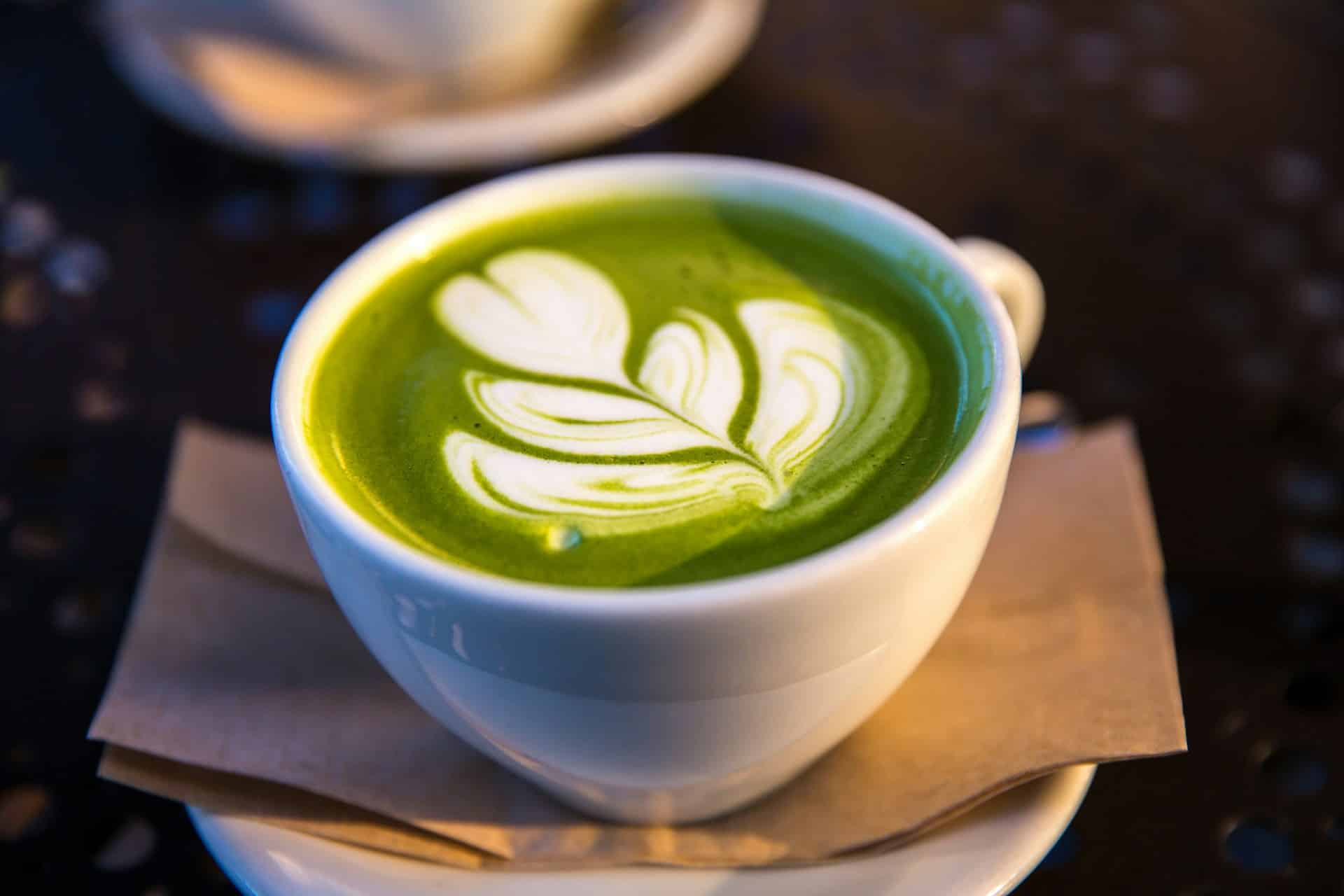
Matcha, on the other hand, is a finely powdered form of green tea, made from shade-grown tea leaves. The entire leaf is consumed when drinking matcha, providing a concentrated source of nutrients. It’s known for its vibrant green color and rich, umami flavor.
Insights on Matcha:
– Health Benefits: Because the whole leaf is consumed, matcha is packed with antioxidants and vitamins, particularly catechins, which are known for their health-promoting properties.
– Energy Boost: Matcha contains a moderate amount of caffeine, paired with L-theanine, an amino acid that promotes relaxation without drowsiness.
Health Benefits Comparison
Both hojicha and matcha offer unique health benefits:
– Antioxidants: Matcha boasts a higher concentration of antioxidants due to the consumption of the whole leaf. These antioxidants can help fight free radicals, potentially reducing the risk of chronic diseases.
– Heart Health: Both teas contribute to heart health. Research suggests that the polyphenols found in green tea can improve blood flow and lower cholesterol levels. The lower caffeine content in hojicha may be gentler on the heart for some individuals.
– Digestive Health: Hojicha, being less acidic, may be easier on the stomach, making it a suitable alternative for those with sensitivities.
Taste and Culinary Uses
While both teas can be enjoyed steeped in water, their flavors lend them to different culinary uses:
– Hojicha: Its roasted, nutty flavor works beautifully in lattes, desserts, or as a soothing nightcap.
– Matcha: Its vibrant taste and color make it a favorite in smoothies, baking, and traditional Japanese tea ceremonies.
Conclusion
When choosing between hojicha and matcha, consider your taste preferences and health goals. Hojicha is perfect for a comforting, low-caffeine beverage, while matcha offers a potent boost of energy and antioxidants. Both have their place in a balanced diet, contributing not only to enhanced well-being but also enhancing daily rituals with their delightful flavors.
Ultimately, incorporating a variety of teas can enrich your health journey, allowing you to explore the diverse world of flavors and benefits that these green teas can offer.
Image Source: Unsplash