











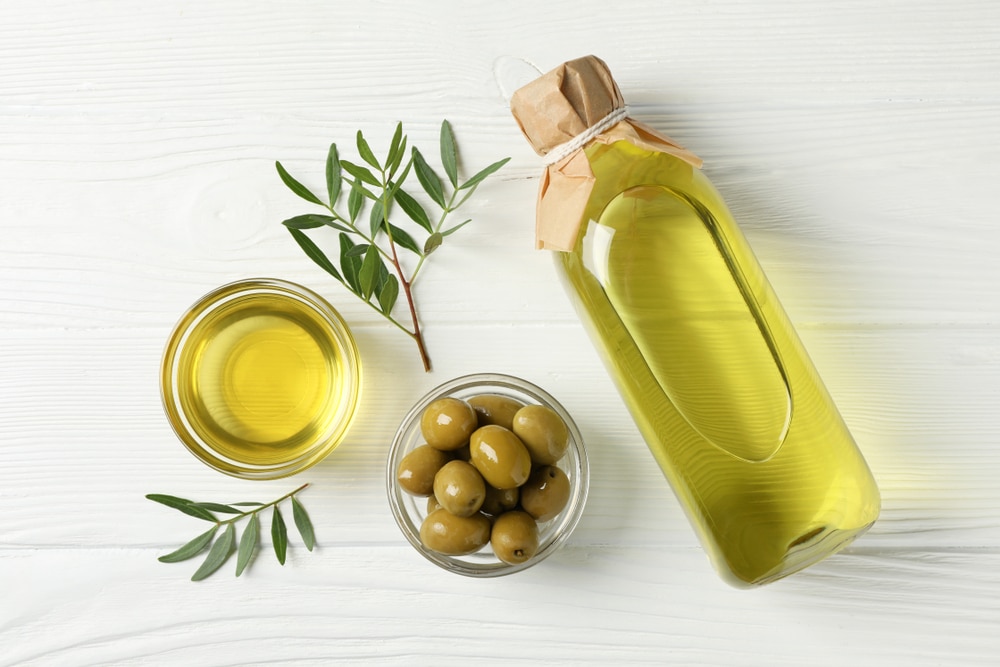
The myriad benefits of extra-virgin olive oil range from promoting cardiovascular health to potentially reducing the risk of certain cancers. This unrefined oil, which retains its natural antioxidants due to minimal processing, is heralded for its ability to combat inflammation and disease, enhancing overall well-being.
1. Heart Health
Incorporating extra-virgin olive oil into your diet may significantly lower your heart disease risk. Nutrition experts suggest substituting unhealthy fats, such as butter, with healthier alternatives like olive oil to promote cardiovascular health.
A study indicates that individuals who consume four tablespoons of olive oil daily enjoy a 30% lower chance of developing heart disease compared to those on a low-fat diet.
Notably, extra-virgin olive oil can effectively reduce blood pressure, a key contributor to heart disease.
2. Bone Health
Regular consumption of olive oil might positively affect bone health. Research reveals that women who consumed over 20 milliliters of olive oil daily exhibited greater bone density than those who consumed less.
3. Skin Health
Extra-virgin olive oil offers several skin benefits, including enhanced moisturization, cleansing, and anti-aging properties. Its anti-inflammatory characteristics may be advantageous for skin health, though caution is advised if attempting to treat conditions like eczema or acne without consulting a healthcare professional.
4. Brain Health
Research suggests that extra-virgin olive oil may play a role in preventing dementia. An extensive analysis involving over 90,000 participants found that those who consumed at least half a tablespoon of olive oil daily had a 28% decreased risk of dying from dementia compared to individuals with minimal olive oil intake. Experts believe this can be linked to the oil’s antioxidant and anti-inflammatory properties.
5. Cancer Prevention
Extra-virgin olive oil may contribute to a reduction in the risk of various types of cancer, including colorectal and breast cancers. However, it is crucial to remember that olive oil is not a cure for cancer.
6. Diabetes Prevention
Regularly incorporating extra-virgin olive oil in your diet is linked to a decrease in body weight, which can consequently lower the risk of developing type 2 diabetes. Studies indicate that olive oil intake may correlate with a reduced likelihood of this metabolic disorder.
Is It OK to Drink Extra-Virgin Olive Oil?
While most research on extra-virgin olive oil evaluates its health impacts within the context of an overall diet, it’s important to be cautious regarding calorie intake. Drinking olive oil solely is not necessary to experience its benefits; incorporating it into meals—whether in cooking, dressings, or marinades—can yield notable health advantages.
Extra-Virgin Olive Oil Nutrition
Extra-virgin olive oil is primarily composed of fat:
- One tablespoon contains approximately 120 calories and 14 grams of fat.
- Though it primarily consists of monounsaturated (healthy) fats, it also has about 2 grams of saturated fat per tablespoon.
- This one tablespoon also accounts for 21% of the recommended daily fat intake and 10% of the daily limit for saturated fats, emphasizing moderation.
- Monounsaturated fats in olive oil help lower bad cholesterol, supporting cell health. Importantly, the benefits of these fats can be derived from both extra-virgin and regular olive oil.
Additionally, extra-virgin olive oil features antioxidant compounds known as phenols, which combat inflammation.
Extra-Virgin Olive Oil vs. Regular Olive Oil and Other Oils
- Extra-virgin olive oil is produced without heat or chemicals and contains phenols that serve as antioxidants.
- Regular olive oil also comprises healthy fats, which many other oils, such as sunflower and canola oils, also contain.
- Extra-virgin olive oil’s lower smoke point limits its use in cooking compared to traditional olive oil.
- It is mainly utilized in salad dressings and for drizzling, whereas conventional olive oil is commonly used for various cooking methods.
What Are the Potential Risks of Extra-Virgin Olive Oil?
Extra-virgin olive oil is regarded as safe for most individuals, but there are some considerations to bear in mind:
- Allergies: Always be aware of any potential allergies.
- Calories and fat: Keep track of the caloric and fat content to avoid excessive consumption.
- Health considerations: Consulting a healthcare provider before making dietary changes is wise, especially for those with chronic illnesses like heart disease or diabetes.
A Word From Verywell
Incorporating extra-virgin olive oil into your meals is simple and rewarding. Use it to add flavor to soups and stews, drizzle over pasta, or substitute it for butter in baking.