













Key Insights
- Upcycled barley protein, derived from brewers’ spent grain, provides a plant-based source of protein that contributes positively to the environment.
- Although barley lacks complete protein status on its own, combining it with other plant proteins, such as pea protein, can enhance its nutritional profile.
- Further studies are essential to ascertain whether upcycled barley protein surpasses other protein varieties in terms of benefits.
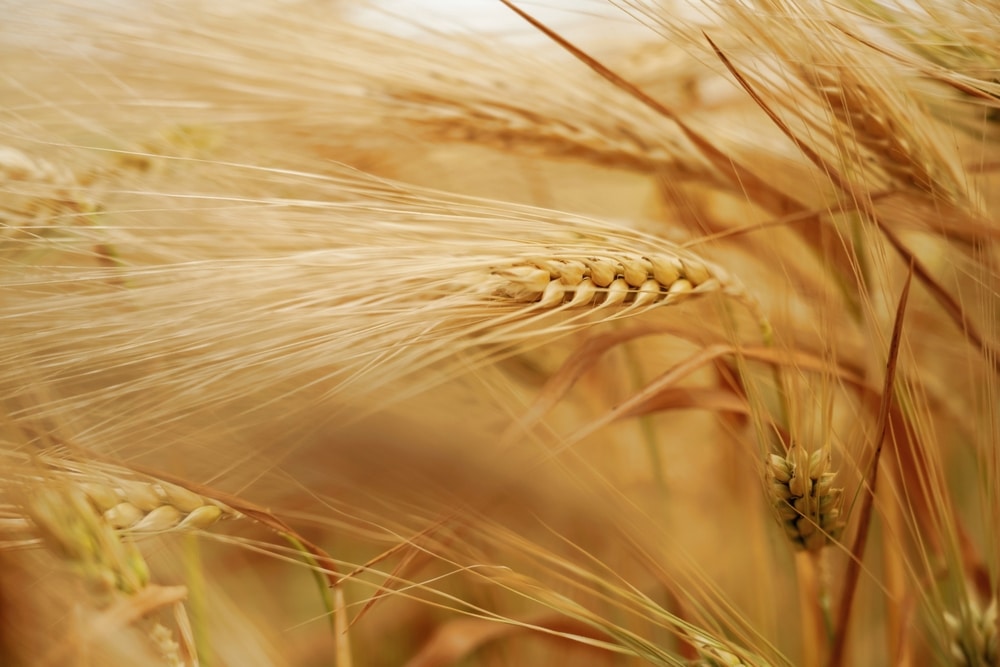
Upcycled barley protein is an eco-friendly, plant-based protein sourced from the residual grain left after beer production. While it holds promise as a nutritional addition, more investigation is required to evaluate its quality and compare it with various protein options.
Upcycled Barley Compared to Other Proteins
The extraction of upcycled barley protein from brewers’ spent grain involves a detailed purification process. This leftover grain consists of the outer layers of barley that are no longer needed after brewing.
Harnessing brewers’ spent grain for food products is valuable due to its:
- High protein concentration
- Rich vitamins
- Essential minerals
- Beneficial phenolic compounds
- Dietary fiber
- Lignin, an organic compound
The brewing process partially breaks down proteins, potentially making upcycled barley protein easier for the body to digest.
However, various estimates regarding its essential amino acid profile complicate the assessment of its superiority compared to other protein types.
Nutritional Profile
The breakdown efficiency of a protein and the absorption of amino acids into the bloodstream are pivotal factors in determining its nutritional value. Current research on upcycled barley protein in comparison to other protein sources is sparse, yet some studies indicate its potential.
For instance, a study contrasting upcycled barley rice protein with pea protein and whey protein revealed that:
- It achieved an amino acid uptake of 87% compared to pea protein and 69% in relation to whey protein.
- Exhibited a lower overall uptake of essential amino acids, particularly excepting methionine and tryptophan.
- Demonstrated absorption rates parallel to pea and whey proteins, indicating a relatively quick absorption capability.
Ongoing research is vital to elucidate how upcycled barley protein stacks up nutritionally against both plant and animal proteins, as well as to determine effective pairings that enhance its nutritional bonds.
Protein and Amino Acid Composition of Upcycled Barley
Barley is renowned for its significant protein content; however, the quality hinges on digestibility and the availability of all nine essential amino acids. Since the body cannot synthesize essential amino acids, sourcing them through diet is crucial.
The following points summarize what we understand about upcycled barley protein:
- Brewers’ spent grain primarily consists of protein, estimated to be in the range of 19% to 30% protein.
- Approximately 30% of this protein is sourced from essential amino acids.
- The specific essential amino acid profile may vary based on processing methods.
- Some formulations provide all nine essential amino acids, while many plant proteins fall short or lack essential amino acids necessary for complete protein status.
Similar to many plant proteins, upcycled barley protein does not meet the definition of “complete” when evaluated independently. Partnering it with alternative protein sources can bridge these nutritional gaps effectively.
Always scrutinize nutrition labels to ascertain amino acid and protein content, ensuring accurate evaluation of the protein quality within any upcycled barley protein offering.
Complementing Barley Protein
Upcycled barley protein reaches its full nutritional potential when combined with other protein sources. While barley alone falls short of being a complete protein, pairing it with other plant proteins that address its amino acid deficiencies can create a well-rounded protein source.
Upcycled Barley with Rice
Many upcycled barley protein products are marketed as barley rice protein. The inclusion of rice in the brewing process maximizes starch content, enhancing fermentation capabilities of barley and malt.
Thus, products that incorporate upcycled barley protein typically combine barley with rice proteins. Some brands tout this blend as a “superblend” of plant proteins, yet this terminology doesn’t guarantee a complete or superior protein quality.
Upcycled Barley and Legumes
Combining legumes—such as beans, lentils, or peas—with whole grains, nuts, or seeds can yield a complete protein profile. Because barley serves as a whole grain, marrying it with legumes could enhance its essential amino acid composition, thereby constructing a high-quality protein source. Research supports that a blend of barley rice protein and pea protein may be synergistic in optimizing overall protein quality.
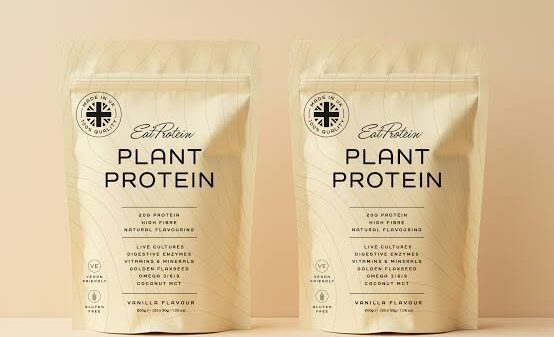
Selecting a Premium Product
A multitude of companies are now producing upcycled barley protein products, often employing marketing tactics centered around environmental sustainability. However, product quality can be variable. As these protein powders are classified as supplements, they lack regulation by the U.S. Food and Drug Administration.
When shopping for these products, prioritize those that provide:
- Third-party quality testing
- Transparent ingredient sourcing
- Available amino acid profiles clearly displayed on labels