












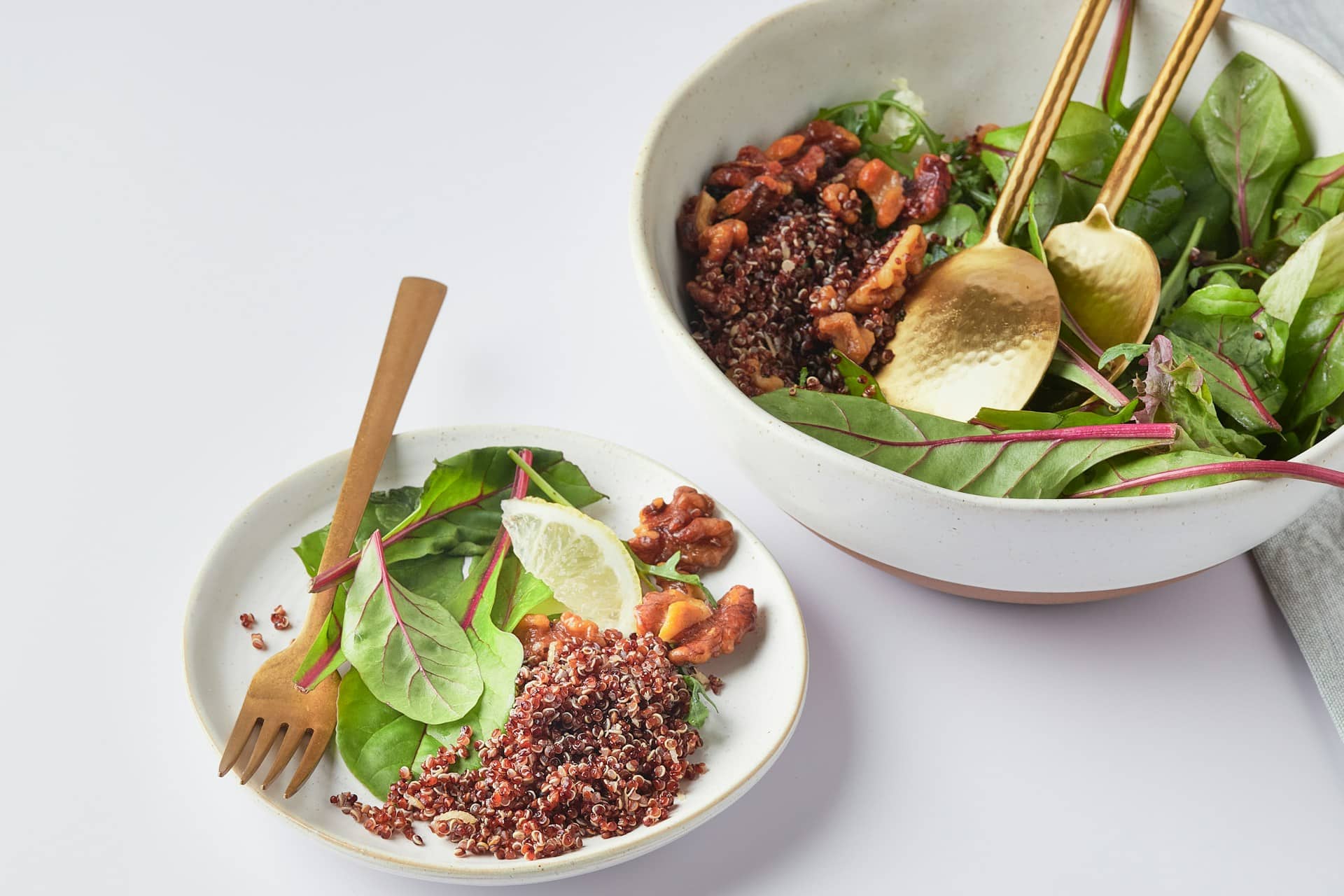
A recent study has revealed a significant connection between higher vitamin K1 intake and reduced risks of heart attack and stroke in older women. By simply including 1 to 1.5 cups of vitamin K1-rich greens—like spinach, broccoli, cabbage, bok choy, and kale—into your daily meals, you might be doing wonders for your heart health.
What the Research Says
This insightful research, published in the European Journal of Nutrition, tracked the health of over 1,400 Australian women aged 75 for an impressive 14.5 years. The findings were striking: women who consumed the highest levels of vitamin K1—about one raw cup or half a cup of cooked leafy greens—saw remarkable benefits:
– They had a 43% lower risk of dying from atherosclerotic vascular diseases (such as heart attacks and strokes) compared to those with the lowest intake.
– Their chance of experiencing a heart attack or stroke was reduced by 29%.
– There was a 5.6% reduction in asymptomatic atherosclerosis.
Vitamin K1 appears to exert its effects by activating matrix GLA protein, which plays a vital role in preventing vascular calcification, a common complication of heart disease.
Lead study author Montana Dupuy, a PhD candidate at the Nutrition & Health Innovation Research Institute at Edith Cowan University, pointed out a key takeaway: “Getting these amounts of vitamin K1 into your daily diet isn’t as daunting as it seems. Just adding about a cup of these leafy greens to your meals can be a low-risk way to potentially enhance your cardiovascular health.”
Caveats to the Study
While these findings might sound promising, there are some important caveats. The study’s participants were primarily older, predominantly Caucasian women from Western Australia, which could mean these results may not universally apply to everyone. Since the study was observational, it indicates a correlation rather than a direct cause-and-effect relationship.
Do Vitamin K1 Supplements Have The Same Effect?
The research focused strictly on dietary sources of vitamin K1, leaving us to wonder if supplements could yield similar results. A smaller trial suggested that high-dose vitamin K1 supplementation might reduce vascular calcification, particularly in individuals with diabetes, but overall evidence remains limited.
Lina Begdache, a dietitian-nutritionist and associate professor at Binghamton University, emphasized that whole food sources of vitamin K1 come packed with other beneficial nutrients and compounds. They likely work together to provide protective effects on the body, while supplements might not absorb as effectively—especially if not taken with dietary fats. She advises prioritizing whole food sources over supplements unless advised otherwise by a healthcare provider.
Vitamin K1 Could Be Great for Heart Health
It’s common knowledge that vegetables are good for your heart, but the clarity and strength of these findings really stand out. Previous studies exploring vitamin K’s impact on heart health often delivered mixed results, muddled by inconsistent dietary reporting or a focus on vitamin K2 instead.
This study, however, benefits from region-specific dietary assessments and comprehensive health records, providing solid evidence that vitamin K1—on its own—offers protective cardiovascular benefits, particularly for older women who are among those most at risk for heart disease.
With cardiovascular diseases being the leading cause of death worldwide, this information is especially vital. Dupuy encourages everyone to embrace these findings and make a habit of seeking out green vegetables during grocery trips. She suggests finding fun and creative ways to incorporate them into your meals. “This is an easy strategy to boost your vitamin K1 and overall vegetable intake, which can be so beneficial for your heart health.”
What This Means For You
Eating leafy greens has long been known to benefit your health in various ways, and this new research emphasizes that consuming around a cup a day could also support your heart health over the long term. If you’re looking to make a simple change to your diet that could have a lasting impact, consider adding more greens to your plate. It’s an easy, effective way to care for your cardiovascular system while enjoying all the delicious possibilities these vegetables offer.
Image Source: Unsplash