













A balanced gut is essential for optimal digestion, a strong immune system, and overall health. By consciously selecting the right foods, you can enhance your well-being and foster a healthier gut microbiome.
What Are Some Gut-Healthy Foods?
1. Yogurt
Yogurt is a rich source of live probiotic cultures, which are vital for maintaining a balanced gut microbiome. By incorporating yogurt into your diet, you may experience reduced bloating and improved digestive health. Ideal for breakfast or as a snack, yogurt also provides a creamy texture while delivering beneficial bacteria to your gut.
2. Kefir
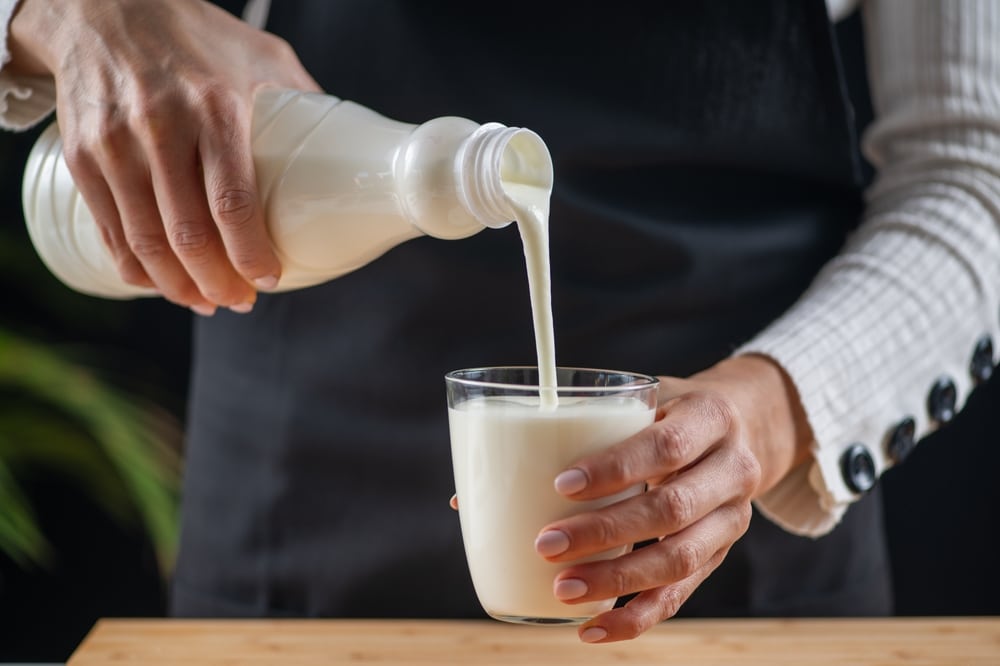
This fermented milk drink is a powerhouse of probiotics, offering a wider variety of strains than yogurt. Kefir not only promotes effective digestion but also plays a crucial role in bolstering your immune system. With beneficial nutrients like calcium, magnesium, and vitamin B12, kefir is versatile enough to be enjoyed alone or blended into smoothies for an extra boost.
- Nurtures the growth of healthy gut bacteria.
- Packed with essential nutrients.
- A great addition to smoothies.
3. Sauerkraut
An age-old staple in many cuisines, sauerkraut is fermented cabbage bursting with probiotics and fiber, essential for a thriving gut. This tangy dish may enhance nutrient absorption while delivering antioxidant benefits that fight inflammation and oxidative stress.
- High in probiotics for gut vitality.
- Rich in fiber to aid digestion.
- Loaded with vitamin C and antioxidants.
4. Kimchi
A traditional Korean dish, kimchi is composed of fermented vegetables and is renowned for its rich probiotic content. This spicy side not only enhances gut health but also provides essential vitamins and antioxidants that support overall immunity.
5. Fiber-Rich Fruits & Vegetables
Foods such as apples, bananas, asparagus, and broccoli are excellent sources of fiber and act as prebiotics that nourish beneficial gut bacteria. A fiber-rich diet encourages regular digestion and contributes to long-lasting gut health.
What Are Some Foods to Avoid for a Healthy Gut?
1. Processed Foods
Highly processed foods often come with additives, preservatives, and refined sugars, which can disturb the delicate balance of the gut microbiome. Over time, these ingredients may lead to inflammation and digestive problems, making it crucial to limit their intake.
- Potentially promotes the growth of harmful bacteria.
- Generally low in fiber, essential for good digestion.
- Can contribute to gut inflammation.
2. Artificial Sweeteners
Frequently found in diet sodas and sugar-free options, artificial sweeteners can disrupt the health of your gut bacteria. Some research indicates that they might impair glucose metabolism and cause digestive discomfort, urging a closer look at what you consume.
3. Fried Foods
Fried and greasy items are often difficult for the body to digest and can cause irritation to the gut lining. Consistent consumption could lead to inflammation and discomfort, making healthier cooking methods a preferred choice.
- High in unhealthy fats that can hinder digestion.
- May lead to inflammation over time.
- Typically paired with low-fiber sides.
4. Red and Processed Meats
Consuming substantial amounts of red or processed meats may negatively affect gut bacteria and trigger inflammation. Reducing intake can facilitate a more balanced microbiome and improve gut health.
- May foster harmful bacteria growth.
- Linked to intestinal inflammation.
- Often contains preservatives and additives.
5. Excess Alcohol
Overindulgence in alcohol can harm the gut lining and diminish the populations of beneficial bacteria. This may result in digestive issues and increased intestinal permeability, emphasizing the importance of moderation.
- Disrupts the balance of gut microbiota.
- Potential to increase gut inflammation.
- Associated with leaky gut syndrome.