













Androgenetic alopecia, frequently referred to as male or female pattern hair loss, represents a widespread dermatological challenge characterized by the thinning of hair, particularly around the center of the scalp. While pharmacological interventions and supplements are common topics of discussion, emerging research suggests that specific dietary choices—ranging from spicy peppers to soy-based foods—may play a significant role in supporting hair density and growth.
The Connection Between Gut Health and Hair Growth
Evidence regarding the influence of the internal microbiome on hair health has surfaced through unconventional medical cases. Clinical observations of fecal microbiota transplants, which involve the transfer of beneficial bacteria to the colon, have shown remarkable results. In documented instances, individuals with significant hair loss experienced substantial regrowth within months of restoring a healthy gut environment. This suggests that maintaining a diverse and thriving microbiome through nutrition may be a fundamental component of hair preservation.
The Impact of Plant-Based Diets on Scalp Health
Epidemiological data indicates a strong correlation between lifestyle habits and the prevalence of baldness. Diets high in processed meats and junk food, often combined with poor sleep hygiene, are frequently associated with increased hair loss. Conversely, protective benefits have been observed in individuals who regularly consume raw vegetables, fresh herbs, and soy products. Specifically, the frequent consumption of soy-based beverages is linked to a 62% reduction in the risk of moderate to severe hair loss, pointing toward the potential efficacy of plant-derived compounds.
Harnessing the Synergy of Capsaicin and Soy Isoflavones
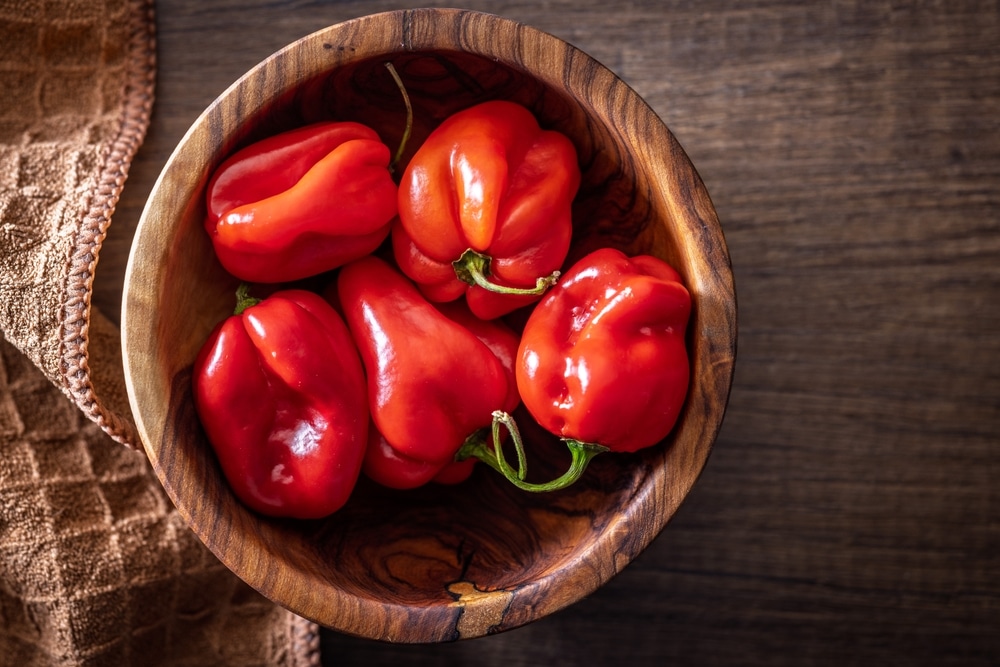
Rigorous clinical research has examined the combined effects of capsaicin—the compound that provides the heat in hot peppers—and soy isoflavones. In randomized, double-blind trials, participants taking a daily dose of 6 milligrams of capsaicin and 75 milligrams of isoflavones showed notable improvements in hair growth. In practical terms, these levels can be achieved by consuming approximately one-quarter of a fresh jalapeño pepper and three-quarters of a cup of soybeans or tempeh.
When incorporating these foods, it is advisable to choose steamed or boiled preparations over roasted or high-heat options. Toasted nuts and seeds can contain advanced glycation end-products (AGEs), which are often found in high-protein, high-fat foods cooked at extreme temperatures and may be less optimal for long-term health.
The Therapeutic Potential of Pumpkin Seeds
Pumpkin seeds and their oils have emerged as another promising natural intervention. Initially studied for their ability to improve urinary flow in men with enlarged prostates (BPH), pumpkin seed oil appears to exert an anti-androgenic effect. This mechanism led researchers to test its efficacy on hair loss directly.
In a controlled study involving men with pattern baldness, those who consumed 400 milligrams of pumpkin seed oil daily—the equivalent of just two to three whole seeds—saw a 40% increase in hair count after 24 weeks. This was significantly more effective than the placebo group, which saw only a 10% increase. Crucially, the participants reported higher satisfaction with their hair coverage, and objective assessments by blinded investigators confirmed visible improvements. Furthermore, the study monitored sexual health and found no adverse effects on erectile function, making it a well-tolerated option for those seeking natural alternatives.
Summary of Findings for Natural Hair Restoration
The evidence suggests that targeted nutritional choices can influence the progression of hair thinning. Prioritizing a diet rich in raw vegetables and soy while incorporating small amounts of capsaicin and pumpkin seeds may offer a safe, evidence-based approach to enhancing hair density. By focusing on gut health and specific plant compounds, individuals can support their hair growth naturally without the side effects often associated with conventional medications.