












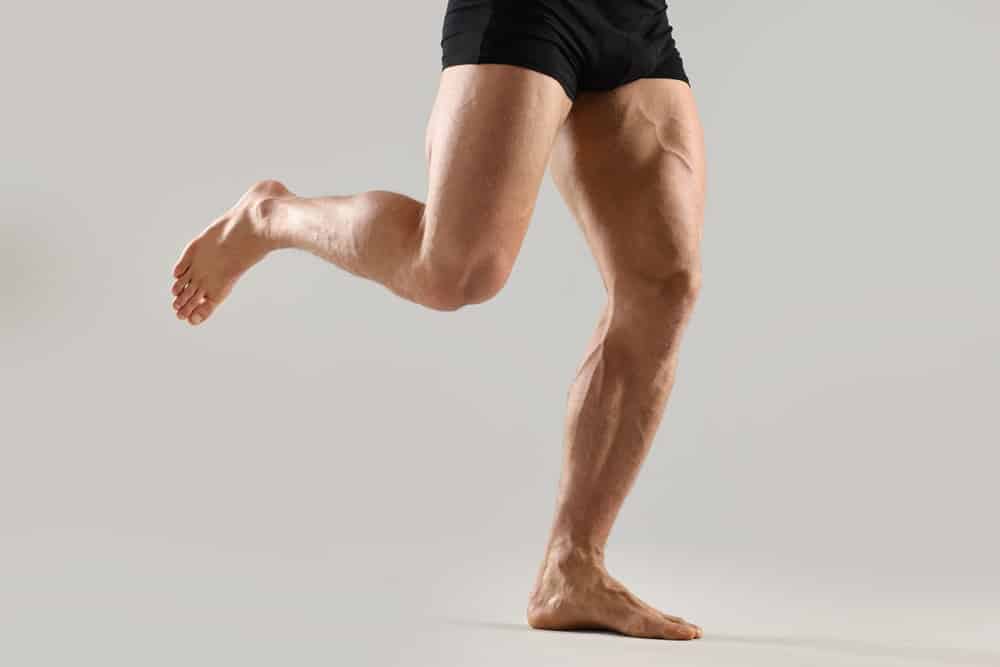
When most people evaluate their personal wellness, they prioritize cardiovascular health, nutrition, mental clarity, and weight management. While these are critical pillars of a healthy life, leg health is an frequently overlooked component that plays a vital role in systemic vitality. Our legs are the workhorses of the body, facilitating movement and serving as a cornerstone for healthy circulation. Often, symptoms like persistent fatigue, swelling, or localized discomfort in the lower extremities are ignored until they significantly impair a person’s daily function and independence.
Maintaining healthy legs is about far more than aesthetic appearance; it is a fundamental requirement for heart health, efficient blood flow, and sustained mobility. When the vascular system in the legs is compromised, it can trigger a negative ripple effect throughout the entire body, draining energy levels and impacting long-term physical resilience. For those noticing visible veins or experiencing a heavy sensation in their limbs, consulting a vascular specialist can be a proactive step in assessing circulatory efficiency before more complex issues arise.
The Role of Leg Vitality in Maintaining Independence
The freedom to move is one of the most significant indicators of overall health. Whether it is for exercise, professional duties, or simple daily tasks, our legs provide the foundation for an active lifestyle. When leg health is optimal, it supports physical strength, mental well-being, and social engagement.
Conversely, when leg discomfort begins to manifest, it often leads to a “cycle of inactivity.” Even minor symptoms—such as a dull ache or a feeling of heaviness—can discourage a person from walking or exercising. This reduction in movement often results in secondary issues, including diminished flexibility, muscle atrophy, and increased cardiovascular strain. Prioritizing the health of your legs is essential for preserving the ability to live an autonomous and active life well into your later years.
The Critical Connection Between Legs and Systemic Circulation
The circulatory system relies on the legs to function as a “second heart.” While the heart pumps oxygenated blood to the extremities, a complex network of veins and one-way valves is responsible for returning that blood back to the heart. This process is a constant battle against gravity, and it depends heavily on the “calf muscle pump.”
As we move, the contraction of the leg muscles pushes blood upward through the venous system. Efficient circulation ensures that nutrients and oxygen reach tissues while metabolic waste products are effectively removed. When this system is hindered, blood can pool in the lower legs, increasing pressure within the veins. This venous congestion is the primary cause of several vascular conditions, leading to symptoms like swelling, nocturnal cramping, and skin changes that should be addressed early to protect overall wellness.
Why Vein Health is a Medical Necessity, Not a Cosmetic Choice
There is a common misconception that vein issues, particularly varicose veins, are purely a matter of vanity. In reality, venous disease is a legitimate medical condition that can influence total body health. When the valves within the veins weaken, it leads to a backward flow of blood, a condition that typically worsens without intervention.
The physical discomfort associated with vein disease can disrupt sleep patterns and limit the ability to engage in meaningful physical activity. If left unmanaged, advanced stages of venous insufficiency can lead to more serious complications. Recognizing vein health as a key component of preventative healthcare—rather than an aesthetic concern—is vital for maintaining a high quality of life.
Lifestyle Factors That Influence Vascular Health
Modern lifestyle habits often place significant strain on our circulatory systems. Prolonged periods of sitting or standing can lead to blood stagnation in the lower limbs. For individuals in professions that require them to stay on their feet all day, the constant gravitational pressure can accelerate the development of leg discomfort and visible vascular changes.
Body weight also plays a role in leg health. Excess weight increases the load on the venous system, potentially leading to long-term circulatory challenges. The encouraging news is that small, consistent lifestyle adjustments—such as incorporating frequent movement, maintaining proper hydration, and managing weight—can significantly improve leg function and vascular resilience. These changes do not just benefit the legs; they support metabolic health and longevity.
Strategic Exercise for Optimal Leg Function
Physical activity is perhaps the most effective tool for promoting healthy circulation. Regular movement strengthens the muscles that support the veins and improves the efficiency of the entire cardiovascular system. For those concerned with protecting their veins, low-impact activities are often the most beneficial.
Activities such as walking, cycling, swimming, and yoga are excellent choices because they stimulate blood flow without putting excessive stress on the joints. By reducing inflammation and encouraging consistent blood return to the heart, these exercises help maintain the integrity of the vascular system while simultaneously boosting mood and reducing stress.
Identifying the Early Warning Signs of Venous Issues
Venous conditions often develop gradually, which means many people mistake the early symptoms for “normal” signs of aging or daily tiredness. However, early detection is the key to more effective and less invasive outcomes. Common red flags include a persistent aching sensation, swollen ankles at the end of the day, restless legs, or skin itching near visible veins.
If you notice that your symptoms worsen after long periods of inactivity, it may be an indication of underlying circulatory inefficiency. Seeking a professional evaluation early allows for a more accurate diagnosis and prevents minor issues from evolving into chronic health challenges.
The Psychological and Emotional Benefits of Healthy Legs
The impact of leg health extends beyond the physical realm into emotional and social well-being. Individuals with prominent vein conditions often experience self-consciousness, which may lead them to avoid social situations, specific clothing, or recreational activities like swimming. This social withdrawal can take a toll on mental health.
Furthermore, the chronic discomfort associated with leg issues can lead to increased stress and a diminished outlook on life. Fortunately, the field of vascular medicine has advanced significantly over the last two decades. Modern, minimally invasive treatments now offer high success rates with very little downtime. These advancements allow patients to address both the physical symptoms and the emotional burden of vein disease, often leading to a renewed sense of confidence and an improved quality of life.
Proactive Prevention for Long-Term Wellness
While some factors, such as genetics and age, are outside of our control, many aspects of leg health can be managed through preventative care. A proactive approach is the most effective way to ensure long-term vascular health. This includes avoiding long periods of immobility, elevating the legs when resting to reduce pressure, and staying active throughout the day to keep the “calf pump” engaged.
For individuals with a family history of venous issues, routine checkups with a specialist can help monitor the health of the circulatory system. By integrating these preventative habits into your daily routine, you support not only the vascular health of your legs but your systemic wellness for years to come.
Summary: Integrating Leg Health into a Holistic Wellness Plan
Leg health is a vital, yet often underappreciated, element of a comprehensive wellness strategy. It is inextricably linked to our mobility, circulatory efficiency, and emotional well-being. By recognizing that issues like swelling, heaviness, and varicose veins are medical indicators rather than just cosmetic flaws, we can take the necessary steps toward prevention and early intervention. Prioritizing an active lifestyle, staying mindful of lifestyle stressors, and seeking professional guidance when symptoms appear are essential actions for maintaining independence. Ultimately, investing in the health of your legs is an investment in a more active, comfortable, and fulfilling future.