












Key Takeaways
- Trump announced a full 100% tariff on brand-name or patented drugs unless U.S. manufacturing expands, but enforcement is pending.
- Generic drugs remain exempt from these tariffs, yet costs for imported ingredients could rise.
- Experts warn that some consumers might face increased prices depending on their insurance coverage.
Recently, President Donald Trump declared a 100% tariff on imports of brand-name or patented medications unless companies invest in U.S. manufacturing facilities. Although scheduled to begin on Oct. 1, implementation is currently delayed as negotiations continue with major pharmaceutical firms.
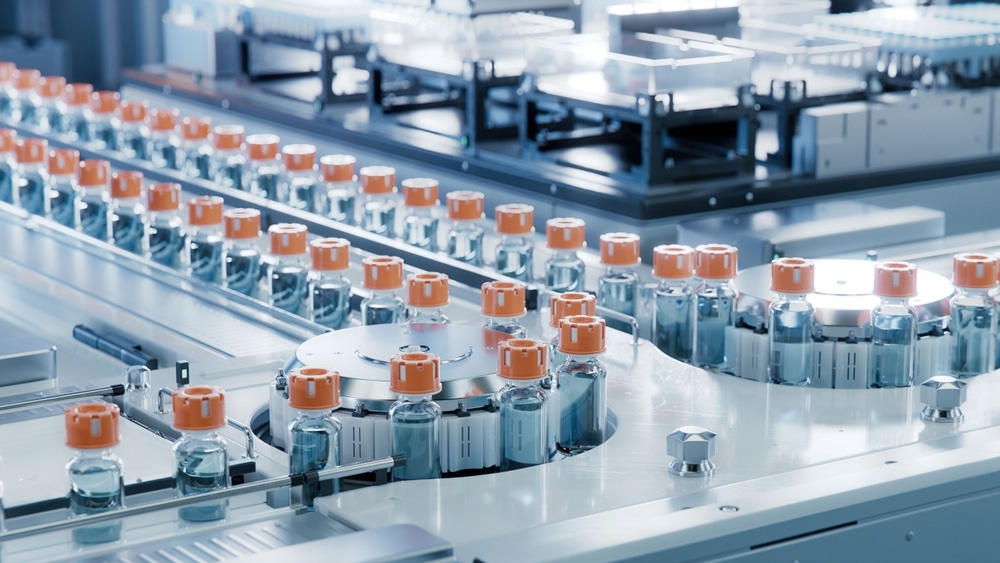
Although many U.S. pharmaceutical companies create drugs at home, they produce them overseas where labor costs are lower. Trump aims to bolster domestic drug manufacturing and considers tariffs a method to achieve this aim.
Which Drugs Might Be Affected?
The announced 100% tariffs specifically target brand-name or patented medications. It’s uncertain which drugs will be impacted directly since many leading pharmaceutical companies, including Eli Lilly, AstraZeneca, and AbbVie, have committed to new U.S. investments.
Should the tariffs be enforced, not all drug categories will face identical tariffs, and the rates will differ accordingly.
Generic Drugs
Generic drugs, which comprise about 90% of medications sold in the U.S., would be exempt from the tariffs. Nonetheless, certain imported ingredients may still incur tariffs. If generic medicine prices rise, consider using discount drug cards like GoodRx or SingleCare to seek lower-cost alternatives. Common generics include Lipitor (atorvastatin) and Neurontin (gabapentin).
Imported Brand-Name Drugs
Drugs imported from the European Union and Japan are subject to a 15% tariff as per agreements established last summer.
Ozempic, made by NovoNordisk in Denmark, should remain unaffected by the new tariffs since the company has manufacturing plants in the U.S. However, products like Botox, which are exclusively produced in Ireland, could incur a 15% tariff.
Medicare Negotiated Drugs
Starting January 2026, 10 commonly used brand-name drugs will see a substantial price reduction for those with Medicare Part D plans. Examples include Eliquis, Xarelto, and Stelara.
“Regardless of drug manufacturing locations, negotiated prices will apply,” states Mariana Socal, MD, PhD from Johns Hopkins Bloomberg School of Public Health.
Expected savings range from a 38% price drop for Imbruvica to a staggering 79% for Januvia, according to Medicare.
Small Biopharmaceutical Drugs
In recent times, the U.S. has approved various biopharmaceutical drugs made through recombinant DNA technology and gene cloning.
Many smaller biotech firms operate overseas and may not afford to shift operations to the U.S., notes Albert Wertheimer, PhD, from Touro College of Pharmacy.
He also mentioned that smaller companies might pass tariff costs onto consumers if tariffs are implemented.
What to Do If You Notice Price Increase for Your Drugs
If enforced, the tariffs could translate into higher drug prices for consumers.
“Drug prices in America generally include significant profit margins, so major companies might absorb the tariff costs without passing them to consumers,” says David Blumenthal, MD from Harvard.
“However, if tariffs remain in place for an extended period, companies could choose to pass those costs onto customers. Tariffs might also elevate employee health insurance costs if employers pay insurers more for medications,” he adds.
The increase in your out-of-pocket costs will depend on your insurance plan, Socal explains. For a flat copay, the cost will stay the same, but if your plan involves coinsurance, price hikes will mean higher personal costs.
If you encounter price increases, consult your doctor before discontinuing any medication. You can also check with the drug manufacturer for assistance programs or explore alternative, more affordable options with your physician.
Will TrumpRX Help Save Money?
PHRMA, representing the drug industry, has announced the upcoming launch of a website, Americasmedicines, which will connect consumers with companies providing direct-to-consumer medications. Additional details will be available as the site debuts in January 2026.
Trump has proposed a similar initiative, TrumpRx, to sell drugs to Americans at prices equivalent to the lowest charged in other countries. This could primarily benefit individuals paying out of pocket for medications.