











Fresh food is undeniably captivating. A vibrant salad filled with freshly picked vegetables, sun-blushed berries, or fish dialed straight from the ocean—it’s what culinary enthusiasts yearn for. Naturally, “fresh” often feels like the benchmark for quality. Yet, here’s the surprising fact: Frozen foods can stand tall, delivering unique advantages that fresh options sometimes lack.
Absolutely, when seasonal produce abounds, fresh is usually the way to go. However, when grocery shelves appear bare, prices soar, and you need a meal quickly, frozen foods come to the rescue. Packed with nutrients, they offer a cost-effective solution and are ready whenever you are. Plus, they prevent the sorrow of discarding wilted spinach or overripe berries. Freezing acts like nature’s pause button, preserving flavor and freshness until you’re ready to enjoy it.
So, let’s reconsider the value of frozen fruits, vegetables, and proteins. They’re not inferior—they’re practical, adaptable, and deserve more recognition. Think of them as essential sources of nutrition. It is vital to note that not all frozen foods are of equal quality, which is why we’ve explored the frozen aisle to identify the healthiest and tastiest options to stock up on. (Spoiler alert: cookie dough ice cream didn’t make the shortlist.)
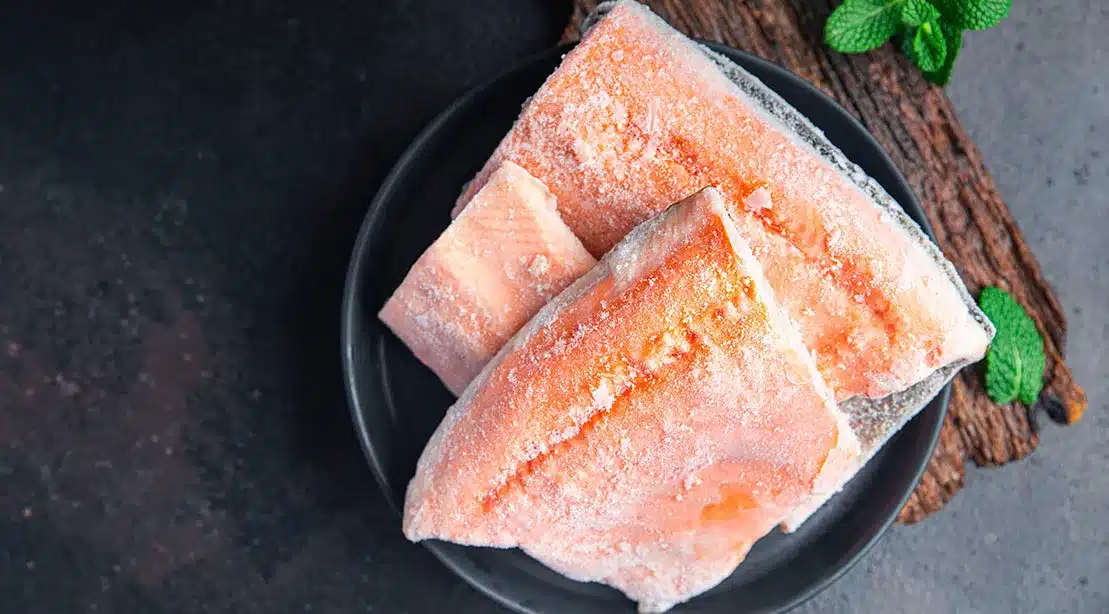
Frozen Salmon
It seems that fresh salmon prices at the seafood counter have become a concern for those trying to increase protein intake on a budget, especially for those living away from coastal areas. This is precisely why frozen salmon should not be overlooked.
Nutritionally, frozen salmon boasts several benefits, including approximately 20 grams of premium protein in each 3-ounce serving, along with vitamin B12 and omega-3 fatty acids. Recent studies indicate that combining exercise with increased omega-3 intake can enhance the benefits associated with training, both for heart health and body composition.
Modern flash-freezing techniques and vacuum sealing for commercially processed seafood ensure that quality remains intact. Fresh fish like wild salmon, which must be shipped by air, incurs higher costs, while frozen fish can be transported efficiently by boat, rail, or truck, making it more economical. Plus, stocking up on frozen salmon allows you to purchase in bulk and use as needed over time, unlike fresh seafood, which typically has to be consumed within a day or two.
How to Eat Frozen Salmon
When it comes to recipes, frozen salmon performs just like its fresh counterpart. If time slips away and you haven’t prepared for cooking, you can cook fish fillets straight from the freezer. Just unwrap the fish, rinse it under cold water to remove any ice, pat it dry, and brush a thin layer of oil on. Season to your liking and bake in the oven while adding a few extra minutes to the cooking time to accommodate for not thawing.
 art/adobe squash
Frozen Butternut Squash
Nutrition experts commonly advocate for increasing vegetable intake. The unique array of fiber, antioxidants, vitamins, and minerals they provide is essential for long-lasting health and enhanced fitness outcomes. However, fresh vegetables can sometimes appear less than ideal in supermarkets—especially when prices are high and quality lags. That’s where frozen options become invaluable. Plus, pre-peeled and cubed butternut squash offers impressive convenience.
Butternut squash is a rich source of beta-carotene, a plant compound with possible anti-aging properties. A 2025 study in Nutrition Journal revealed that higher consumption of carotenoids, including beta-carotene, correlates with better biological aging markers. This frozen vegetable could play a role in slowing down the effects of aging. It’s also crucial to recognize that our bodies can convert beta-carotene into vitamin A, benefiting bone, immune, and eye health.
Vegetables like butternut squash, broccoli, and carrots are typically harvested at peak ripeness and promptly flash-frozen to preserve their nutrients and flavor. In comparison, fresh vegetables may lose quality after extended shipping times and storage, resulting in a product that may fall short in taste and nutritional value.
How to Eat Frozen Butternut Squash
You can roast these cubes like sweet potato for a nutritious side dish or mix into salads. Mashed, it serves as an excellent alternative to potatoes. You can blend frozen butternut into protein shakes for added natural sweetness. Additionally, they work well in soups, chili, pasta, and stir-fries. Pureed, you can incorporate this winter squash into oatmeal and pancakes.
 RisanRisan/Adobe Stock
Frozen Edamame
These green legumes are often the most overlooked selection in the frozen food aisle. With minimal calories (around 100 in a 3-ounce serving), frozen shelled edamame offers a strong nutrition punch, delivering 9 grams of plant-based protein and 8 grams of fiber per cup. Additionally, edamame is rich in folate, iron, potassium, and vitamin K. This humble legume is an excellent resource for meeting your nutrient needs. They’re also quicker to prepare than dried beans, only needing about a minute in boiling water. Truly, healthy fast food. Edamame has a delightful fresh, slightly nutty flavor that avoids the mushiness often encountered with cooked beans.
How to Eat Edamame
Keeping a supply of frozen edamame allows you to effortlessly enhance the nutrition of soups, salads, cooked grains, and stir-fries. When seasonings like curry powder or chili powder are added, boiled edamame can also be enjoyed as a tasty snack on its own.
 pngking/Adobe Stock
Frozen Blueberries
While fresh local blueberries are a must during peak summer, their availability is short-lived. Throughout the rest of the year, when fresh berries can be lackluster and costly, opting for frozen berries is the smart choice. This is beneficial for those of us working within tighter budgets who still want to maintain high nutrition. If freezer space allows, stock up on frozen blueberries and use them as needed over subsequent weeks. In contrast, fresh berries have a ticking clock before spoilage.
Frozen blueberries are especially high in anthocyanins, potent antioxidants that may help reduce inflammation, enhance brain health, and potentially minimize muscle damage after workouts. Research in a journal focusing on nutrition indicates that incorporating more frozen fruits and vegetables leads to higher intakes of important nutrients like fiber, calcium, and potassium.
Rest assured, choosing frozen blueberries does not mean sacrificing nutritional value. Studies demonstrate that frozen berries retain a substantial portion of their nutrients. The rapid freezing process used in the industry appears to effectively preserve blueberries’ anthocyanins. If fresh blueberries have been lingering in stores for a few days, frozen may be your healthiest option.
Pro tip: When shopping for frozen fruits and vegetables, opt for bags where you can feel each piece inside. A bag that feels like a solid mass has been partially thawed and refrozen, compromising quality.
How to Eat Frozen Blueberries
Directly from the freezer, the icy blueberries fit perfectly into protein shakes, cooking oatmeal, sauces, and baked goods like muffins. After thawing, they can enhance yogurt and salads or be blended into salad dressings.
 Kenio/Adobe Stock
Frozen Avocado
The expansion of frozen food options in recent years is remarkable, now including frozen avocados conveniently cut into chunks. Similar to fresh, frozen avocado is rich in fiber, heart-healthy monounsaturated fat, folate, and antioxidants. This makes the avocado one of the healthiest foods available. Furthermore, recent findings indicate that those who consume avocados daily tend to have a greater variety of beneficial gut microbes, which aid in digesting fiber and generating advantageous metabolites. They also showcase more microbial diversity compared to those who avoid avocados.
Choosing frozen avocado can eliminate the stress associated with picking a perfectly ripe avocado, as they are conveniently ready to use. Many individuals know that refrigerating a sliced avocado often leads to it turning an unappealing brown quite rapidly. While many products offer microwave thawing instructions, the ideal method is to let the avocado chunks defrost at room temperature. Microwaving may compromise texture by heating the product too much.
How to Eat Frozen Avocado
Frozen avocado can be directly added to smoothies and blended soups or defrosted for use in guacamole, salads, sandwiches, and meals like avocado toast.