














Key Takeaways
- Cologuard Plus, an upgraded version of the Cologuard colorectal screening test, is set to release in 2025.
- The manufacturer claims that the new test may provide up to 30% greater accuracy than the initial version.
- If you are 45 or older, consult your physician about the best colorectal cancer screening method for your health needs.
In 2025, the Cologuard colorectal cancer screening test will see an upgrade with Cologuard Plus.
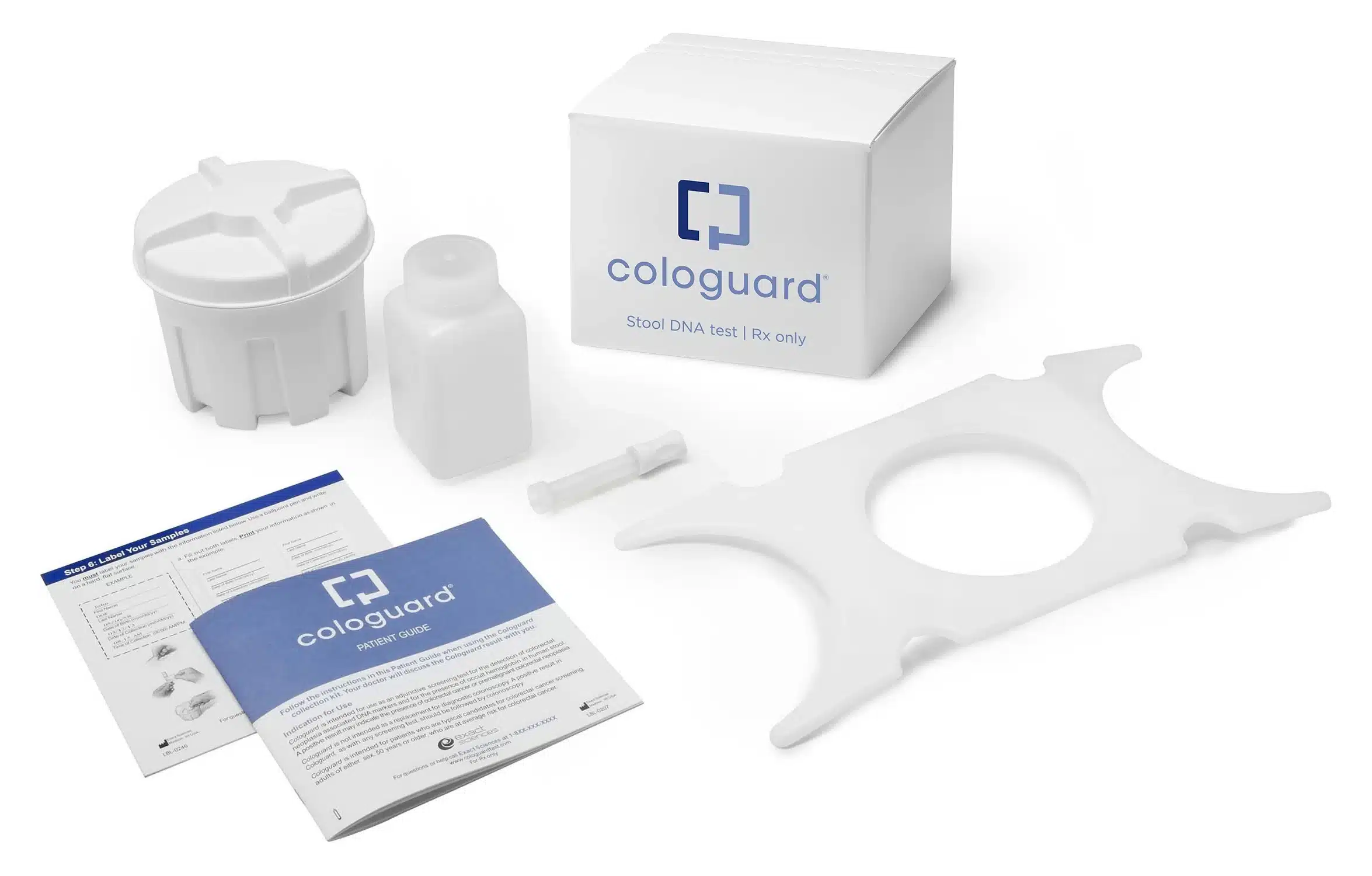
Cologuard Plus is a refined version of the original Cologuard, which first received approval in 2014. This new test targets a more focused set of biomarkers, enhancing its ability to identify cancers and minimizing false positives. This means fewer unnecessary follow-up colonoscopies for patients.
Is Cologuard Plus Better Than the Original?
The original and updated Cologuard tests are intended for individuals 45 years or older who are at average risk of colorectal cancer. These are typically people without a personal or family history of the disease.
Patients collect a stool sample at home using a provided paper that fits over the toilet. Once collected, the sample is placed in a pre-labeled container and shipped back to the manufacturer.
How Effective Is Cologuard Plus?
The FDA approved Cologuard Plus based on results from a 2024 trial involving 20,000 participants. This trial compared Cologuard Plus with a fecal immunochemical test (FIT). FIT screens for early signs of colon cancer by detecting hidden blood in stool, while Cologuard Plus also checks for genetic abnormalities.
All subjects in the trial underwent colonoscopy to verify test outcomes. Cologuard Plus successfully identified 94% of cancers compared to 67% by FIT. It accurately ruled out colorectal cancer or advanced precancerous polyps 93% of the time versus 96% for FIT.
Advantages
While the two tests weren’t directly compared during the trial, a representative from Exact Sciences highlighted a crucial distinction. Users of Cologuard have four days to send their sample, while Cologuard Plus users benefit from six days due to different preservatives.
Furthermore, Cologuard Plus might be as much as 30% more accurate than Cologuard. The newer test is anticipated to have a lower rate of false positives, currently standing at 13% for the original Cologuard, according to the company.
“All non-colonoscopy screening tests require follow-up for individuals with positive results,” said Michael Sapienza, CEO of the Colorectal Cancer Alliance. “Reducing false positives decreases worry and might encourage more people to participate in screening tests.”
Notably, the trial included participants aged 40 and older. Although guidelines currently recommend starting colorectal cancer screenings at 45, leading organizations might consider lowering this recommended age in the future, according to Exact Sciences.
Will Insurance Cover Cologuard Plus?
Typically, doctors will order Cologuard tests, which are then sent directly to the patient’s home. The original Cologuard retails for $600 or more out of pocket, while FIT is available over the counter for about $20 to $40.
Medicare has already granted coverage for Cologuard Plus. However, not all other insurance plans cover it yet. Meanwhile, the original Cologuard remains on the market as Exact Sciences negotiates with insurers for coverage of the new version.
Most insurance policies cover colorectal cancer screenings without a copay under the Affordable Care Act.
When Should You Choose Cologuard Plus?
Colorectal cancer screenings are critical for early detection and prevention. While screening rates for adults under 50 have risen in recent years, the figures remain concerning. A study revealed that only 33.7% of individuals aged 45 to 49 were screened in 2023.
The U.S. Preventive Services Task Force recommends a variety of screening options, including colonoscopy every 10 years, sigmoidoscopy or virtual colonoscopy every five years, Cologuard every three years, or FIT and fecal occult blood tests annually. Each approach comes with its own advantages and disadvantages.
A colonoscopy, seen as the gold standard, requires a liquid-only diet before the examination to clear the bowel. Patients must take time off work, and someone needs to drive them home post-sedation. However, this method allows detection and removal of precancerous polyps during the procedure, making it both a screening and preventive approach.
For those wanting a noninvasive solution, stool-based tests like Cologuard and FIT provide at-home options. Nonetheless, if results are positive, a follow-up colonoscopy is necessary to mitigate cancer risk.
“The best colorectal screening test for someone is the one that they will actually take,” said Aaron Tokayer, MD, a gastroenterologist at Maimonides Medical Center in Brooklyn, New York.