















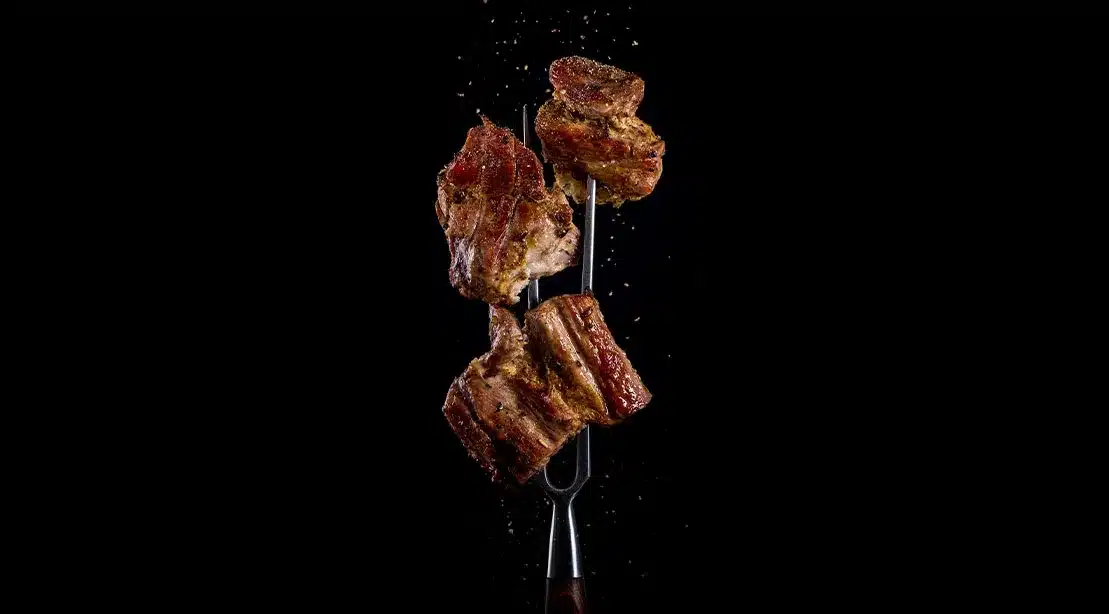
You may have encountered the Carnivore diet, often referred to as the Lion diet. This meat-focused eating plan has attracted significant attention due to its potential for rapid weight loss and minimizing inflammation. However, its restrictive nature might be intimidating for some individuals and could pose certain health risks.
What draws people to this diet? What are the potential dangers? A registered dietitian will delve into these queries, analyzing both the benefits and downsides to offer a comprehensive overview of the Carnivore diet.
Whether your aim is to enhance your overall health or find a viable weight-loss solution, this guide will assist you in determining if the Carnivore diet aligns with your personal wellness and fitness objectives.
Understanding the Carnivore Diet
The Carnivore diet is predominantly composed of meat, with all other food groups eliminated. According to Bess Berger, RDN, and creator of Nutrition by Bess in New Jersey, acceptable foods include various meats such as beef, pork, chicken, along with eggs, fish, seafood, and organ meats. The fundamental concept of the diet revolves around avoiding all other foods, meaning that fruits, vegetables, grains, and only low-lactose dairy options like hard cheese are included. It is indeed as straightforward as it sounds.
Benefits of the Carnivore Diet
As Berger mentions, many individuals find the Carnivore diet works effectively for them. “If you relish a range of meats and animal products, there’s plenty for you to enjoy.” One of the diet’s key advantages is its simplicity; there’s no need for meticulous calorie counting or complex meal planning, making adherence easier. “No worrying about ‘What’s for lunch?’—just meat, and lots of it,” she notes.
Moreover, Berger states, “Many participants report weight loss due to the extremely low carbohydrate content,” allowing the body to rely on fat as its primary energy source. Some individuals also claim to experience diminished joint pain, decreased inflammation, and enhanced mental clarity, which may be linked to the diet’s rich protein and fat profile.
Drawbacks of the Carnivore Diet
Upon transitioning to the Carnivore diet, Berger notes that individuals may encounter either an increase in energy levels or a sense of lethargy, as experiences vary widely. “Those who feel energized and have improved focus are likelier to stick with it,” she explains. Conversely, anyone who experiences fatigue or brain fog may want to reconsider this approach.
“Another important factor to ponder is that a high-meat and high-protein diet could potentially stress your heart, kidneys, and digestive system.” If you have any concerns in these areas, she suggests exploring other dietary options. Losing weight shouldn’t come at the expense of your health.
Berger highlights that following the Carnivore diet could lead to nutrient deficiencies due to the absence of fiber, vitamins, and minerals typically found in fruits and vegetables. A lack of sufficient fiber may lead to digestive discomfort. Additionally, there are ongoing debates regarding the long-term heart health implications associated with high saturated fat consumption.
Finally, a notable challenge of the Carnivore diet is finding convenient snack options, as Berger explains that this diet may not be conducive to quick snacking or meals on the go.
Determining If the Carnivore Diet Is Right for You
If you find that you feel energized, experience less inflammation, and are thriving, then continuing with the Carnivore diet might be beneficial. However, if fatigue sets in or you worry about potential nutrient deficiencies, it’s advisable to reconsider this diet. Think about whether a meat-only lifestyle is sustainable for you in the long run. The best way to find out is to test it for yourself.
As a precaution, consult with a healthcare provider or registered dietitian to assess whether the Carnivore diet is a suitable choice tailored to your individual needs.