












Key Takeaways
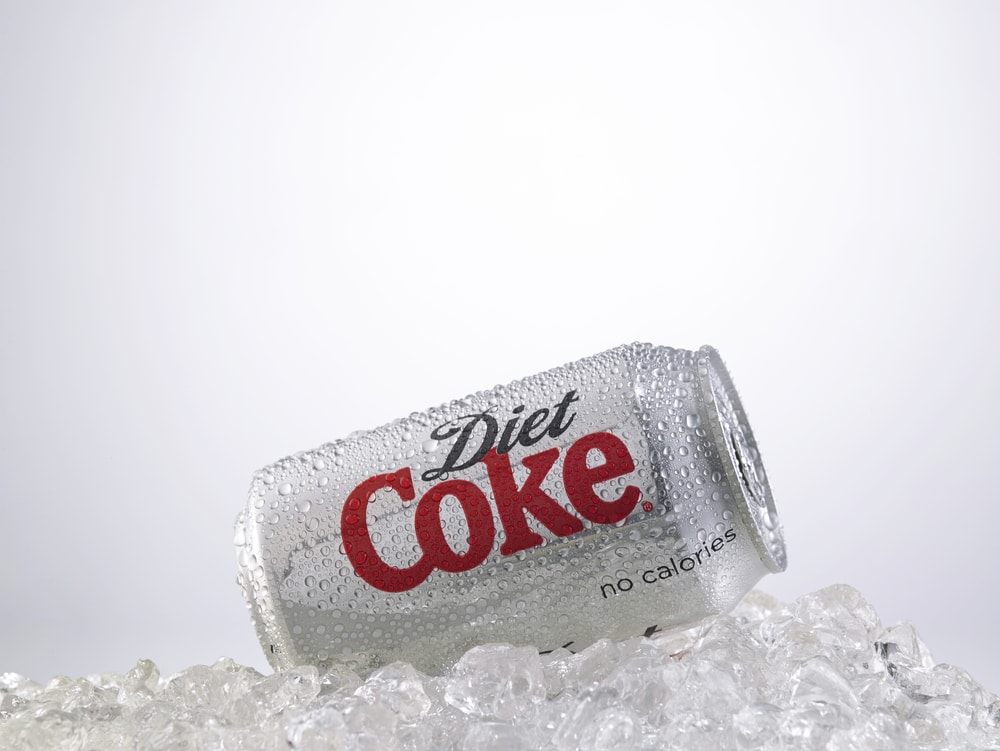
- Diet soda has no calories or sugar, but usually contains no-calorie (non-nutritive) sweeteners.
- Some studies have linked the consumption of specific calorie-free sweeteners to diabetes, kidney disease, and other health risks.
- Experts recommend using no-calorie sweeteners in moderation and swapping soda for sparkling water, unsweetened tea, or coconut water.
While diet soda eliminates calories and sugar, it doesn’t guarantee better health. Frequent consumption has been associated with diabetes, high blood pressure, and dental issues. Enjoying a can occasionally may be fine, but making it a daily ritual could lead to negative effects on your well-being.
1. Your Tooth Enamel May Erode
Sugary drinks famously contribute to cavities due to high sugar feeding harmful mouth bacteria.
Diet sodas lack sugar but are highly acidic, containing phosphoric and citric acids that gradually weaken tooth enamel. Erosion leads to increased sensitivity, staining, and decay over time.
Thus, opting for diet soda instead of regular soda might reduce sugar-related cavities, but it doesn’t eliminate dental risks.
2. You May Increase Your Risk of Diabetes
Regularly consuming diet soda might elevate your risk for diabetes. Research suggests that individuals using non-nutritive sweeteners may experience metabolic changes that hinder insulin sensitivity and blood sugar regulation. In fact, consuming just one diet soda weekly has been linked to a 67% increased risk of developing type 2 diabetes.
3. Your Kidneys May Pay the Price
Prolonged diet soda consumption could harm your kidneys. Studies show that artificial sweeteners and phosphoric acid present in these drinks may put stress on the kidneys, raising the risk of damage. Consuming more than two servings daily correlates with a noticeable decline in kidney function. High intake of diet soda also ties to high blood pressure and diabetes—two significant risk factors for kidney disease.
4. Your Blood Pressure May Rise
Daily diet soda consumption may heighten your blood pressure. Research indicates that each serving increases hypertension risk by approximately 9%.
Artificial sweeteners, such as aspartame and saccharin, can disrupt the body’s ability to regulate blood pressure, potentially promoting inflammation and oxidative stress, both linked to vascular damage. Researchers warn that regular diet soda drinkers may face heightened hypertension risks, even while avoiding sugar.
5. Your Heart May Feel the Effects
Drinking diet soda might increase your risk for irregular heartbeat. Studies show that individuals consuming over 2 liters of diet soda per week have a 20% higher likelihood of developing atrial fibrillation (AFib). Some researchers suggest that artificial sweeteners could disrupt metabolism, increase inflammation, and affect vascular function—all elements that influence heart rhythm. Certain studies even imply that these sweeteners may alter gut health, potentially impacting heart health in unexpected ways.
How Much Diet Soda Is Too Much?
Although there are no formal recommendations for diet soda consumption, guidelines exist for approved artificial sweeteners.
The acceptable daily intake of aspartame is 50 milligrams per kilogram of body weight. For a person weighing around 150 pounds, this equates to roughly nine to 14 cans of diet soda daily to reach this threshold.
Having a diet soda daily generally isn’t excessive, but you may prefer to limit artificial sweeteners if you don’t need them in your eating habits.
What About Zero-Sugar Soft Drinks?
Zero-sugar soft drinks present another alternative to traditional soda. Many people choose zero-sugar options over diet sodas since they claim closer resemblance to regular soda taste.
These drinks utilize similar artificial sweeteners as diet sodas and typically provide minimal nutritional value. Due to being relatively new, there’s limited evidence regarding their health implications, both positive and negative.
Healthier Alternatives to Consider
While the occasional diet soda can be reasonable, healthier options exist when you want to satisfy your thirst. Aside from plain water—your best choice for hydration—other alternatives include:
- Unsweetened tea: Steep black, green, white, or herbal tea and chill it for an excellent alternative that avoids both sugar and artificial sweeteners.
- Coconut water: A naturally sweet, low-calorie beverage rich in electrolytes.
- Sparkling water: Delivers carbonation similar to soft drinks without additives.
- Fruit-infused water: Add slices of fresh or frozen fruit to plain water for a hint of flavor plus some vitamins and antioxidants.
- Watermelon juice: Blended or juiced watermelon mixed with water, packed with electrolytes and a refreshing taste.
- Green tea: A hydrating option made mostly of water, antioxidants, and a moderate caffeine boost.
- Prebiotic soda: A relatively new, bubbly alternative containing prebiotics to support gut health (some sugar may be included, but much less than standard sodas).
:max_bytes(150000):strip_icc():format(webp)/AvivJoshuaheadshot-0a6fdd100fa543ffb9ed065eca2f1370.jpg)