















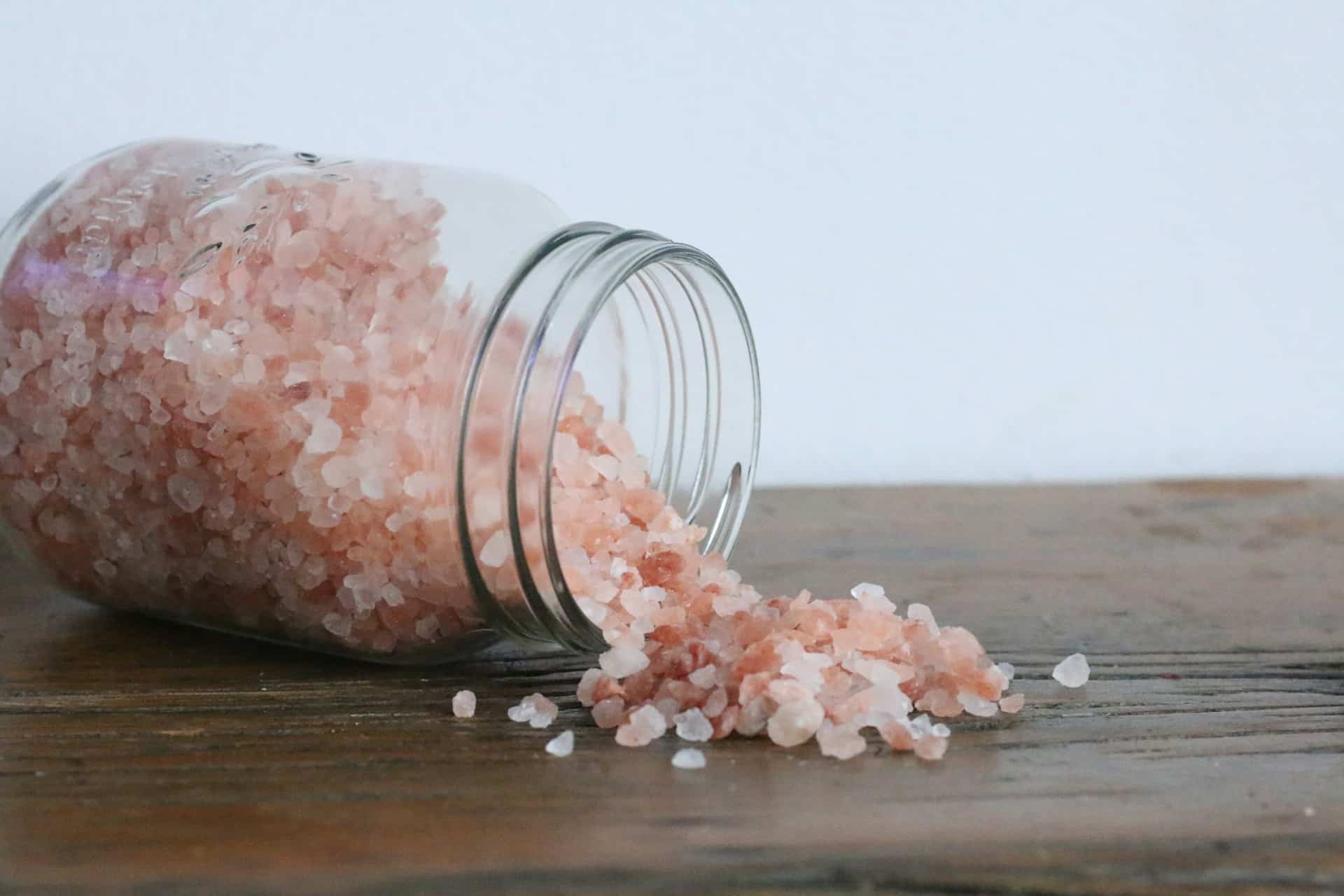
Himalayan pink salt is often touted as a healthier alternative to regular table salt, but its effects on health merit careful consideration. While it contains trace minerals that give it its distinctive color, these elements are not nutritionally significant when compared to the health risks associated with high salt intake.
Understanding Himalayan Pink Salt: Benefits and Risks
1. High Blood Pressure: A Major Concern
Excessive salt consumption, regardless of its source, is commonly known to contribute to high blood pressure. This is particularly alarming given that high blood pressure is a leading risk factor for cardiovascular illnesses, including heart disease and stroke. While some individuals may have different sensitivities to salt, the average American diet is significantly higher in sodium than recommended levels. It is essential to be mindful of your salt intake to maintain healthy blood pressure levels.
2. The Iodine Deficiency Dilemma
Table salt is often fortified with iodine to prevent deficiencies, which can lead to serious health issues, including goiter and developmental problems. Since Himalayan pink salt is not iodized, substituting it for regular table salt could lead to a deficiency in iodine, especially if dietary sources of iodine are not consumed. Although iodine deficiency is less common in the U.S. today, it’s worth noting that many processed foods also lack sufficient iodine.
3. Kidney Problems: The Impact of Excess Sodium
High salt intake can disrupt the delicate balance of electrolytes in the body, specifically sodium and potassium. The kidneys, responsible for filtering excess salt, may not be able to eliminate all of it, leading to conditions such as nausea, swelling, and even irregular heartbeats. People with pre-existing kidney conditions are particularly vulnerable to the adverse effects of dietary salt.
4. Bloating and Digestive Discomfort
Another common issue with high salt consumption is bloating, primarily due to fluid retention in the digestive system. For those who may already be consuming a high-fiber diet—which can also cause bloating—limiting salt intake may alleviate discomfort and gastrointestinal distress, enhancing overall digestive health.
5. Electrolyte Imbalance: A Hidden Danger
A diet excessively rich in salt can upset your body’s electrolyte levels, affecting muscle and nerve function. Electrolytes such as potassium and magnesium are integral to physiologic functions, and a disruption can lead to muscle weakness, heart issues, and impaired metabolic activities, which are critical for energy production.
6. Weakened Bones: The Calcium Connection
High sodium levels can lead to the increased excretion of calcium through urine, which may contribute to weakened bones over time. Calcium is vital for bone health, and if there isn’t enough available in the body, it may be drawn from bone reserves, increasing the risk of osteoporosis and fractures.
7. Potential Contaminant Exposure
While Himalayan pink salt is less processed than traditional table salt, it can still contain impurities and contaminants, including heavy metals. The presence of these toxins may pose health risks, further complicating the narrative around the purported benefits of Himalayan salt.
Conclusion: Moderation is Key
Though Himalayan pink salt can be consumed in moderation, it is crucial to remain vigilant about overall sodium intake. To truly reap health benefits, focus on a balanced diet rich in whole foods, and consider opting for iodized salt to prevent potential deficiencies. Always consult a healthcare provider when making significant changes to your dietary salt consumption, especially if you have existing health conditions.
Image Source: Unsplash