















Key Takeaways
- A plain potato is a whole food that is naturally low in fat and sodium
- Mashed potatoes often include added fat and sodium, increasing the calorie content.
- You can modify your mashed potato recipe to lower the added fat and sodium.
When weighing the choice between plain potatoes and their mashed counterparts, it’s crucial to understand the distinct nutritional profiles. Analyzing calories, fat, and sodium highlights which option aligns better with your wellness goals.
Nutritional Profile of a Regular Potato
A plain potato offers simplicity and transparency in terms of nutrition. A raw Russet potato, without the skin, contains:
- 83 calories
- Less than 1 gram (g) fat
- 3 milligrams (mg) sodium
- 17.8 g carbohydrates
- 2.27 g protein
They also provide potassium, other minerals, and fiber—especially beneficial when the skin is left intact.
The body converts the carbohydrates in potatoes into glucose, a primary energy source for the brain and other cells.
Potatoes in this form are whole foods without the additives typically found in processed items, making them more suitable for various dietary plans, including low-fat or low-sodium diets.
Opting for baking or boiling over frying preserves the pure nature of potatoes, keeping them free from added fats.
Understanding Mashed Potatoes
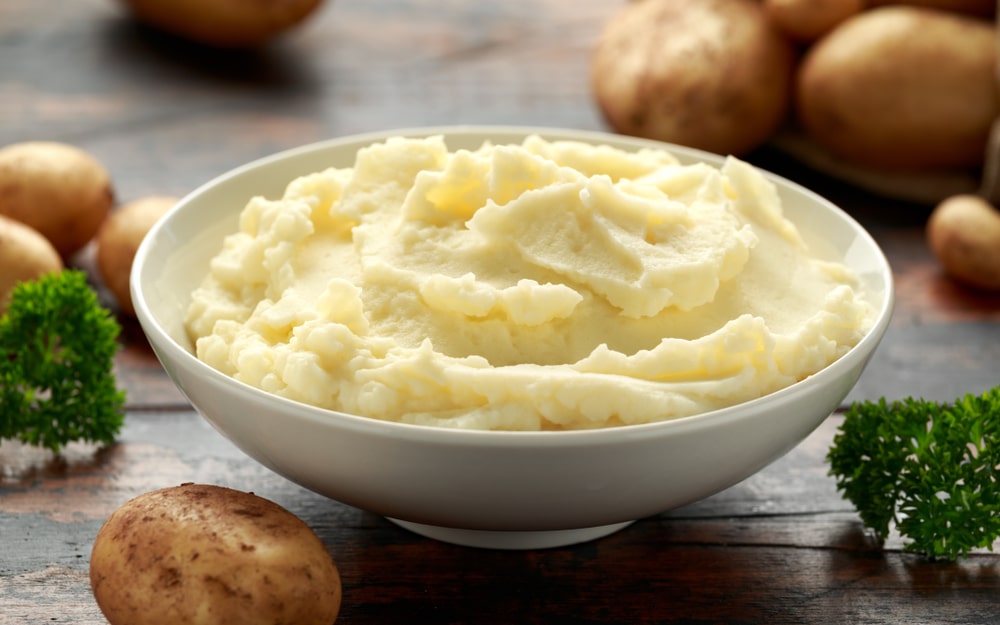
Mashed potatoes deliver a creamy texture, but that smoothness is a result of additional ingredients. Typical recipes include milk or cream, butter, and salt, which alter the nutritional content compared to plain potatoes.
A 100-gram (3.5-ounce or half-cup) portion of mashed potatoes might consist of 80 grams of potatoes, 14 grams of whole milk, 1 teaspoon of butter, and a dash of salt, resulting in:
- 113 calories
- 4 grams of fat
- 317 milligrams of sodium
Store-bought or restaurant versions can contain even more calories, fat, or sodium, particularly due to added butter or cream and larger serving sizes.
While mashed potatoes retain the carbohydrates and potassium found in regular potatoes, the additional fat and salt require mindful consumption to ensure they fit within daily dietary choices.
Serving Comparison
Comparing 100 grams of a plain potato to a half-cup of mashed potatoes reveals significant differences:
- Calories: Plain potatoes provide fewer calories. Mashed potatoes typically contain more due to the addition of dairy and fat.
- Fat: Plain potatoes are nearly fat-free. Mashed potatoes usually contain several grams of fat per serving.
- Sodium: A plain potato has minimal sodium. In contrast, mashed potatoes can range from hundreds to over 700 milligrams, depending on preparation methods.
If managing sodium is essential for blood pressure or heart health, those differences can be very impactful. One serving of mashed potatoes may account for a significant portion of your daily sodium allocation.
Enhancing Mashed Potatoes’ Nutrition
If you love mashed potatoes, there are several practical ways to make them lighter without sacrificing flavor:
- Opt for low-fat milk instead of whole milk or cream.
- Reduce butter usage or eliminate it altogether.
- Substitute salt with flavorful alternatives like garlic powder, onion powder, rosemary, or parsley.
- Consider mashing with chicken or vegetable broth for a savory twist, but check the broth’s sodium level.
- Keep some skin on for extra fiber and nutrients.
These adjustments can bring the nutrition of mashed potatoes closer to that of plain potatoes, while still being delicious.
Determining the Better Choice
Plain potatoes represent a more nutritious choice if you’re looking to minimize calories, fat, and sodium. They are unadulterated whole foods that deliver energy, fiber, potassium, and a variety of vitamins without unnecessary additives.
Mashed potatoes can still be part of a healthy diet, especially when prepared with lighter ingredients. They are comforting and flavorful, making them a common fixture at family meals. The secret is portion control and attentiveness to what ingredients are included.
Ultimately, the “better” option hinges on personal goals.
- If you need to monitor sodium or fat, stick to plain potatoes or select a lighter mashed potato recipe.
- If you desire a warm, comforting dish, mashed potatoes can be a good option, as long as you are cautious about your mix-ins.