













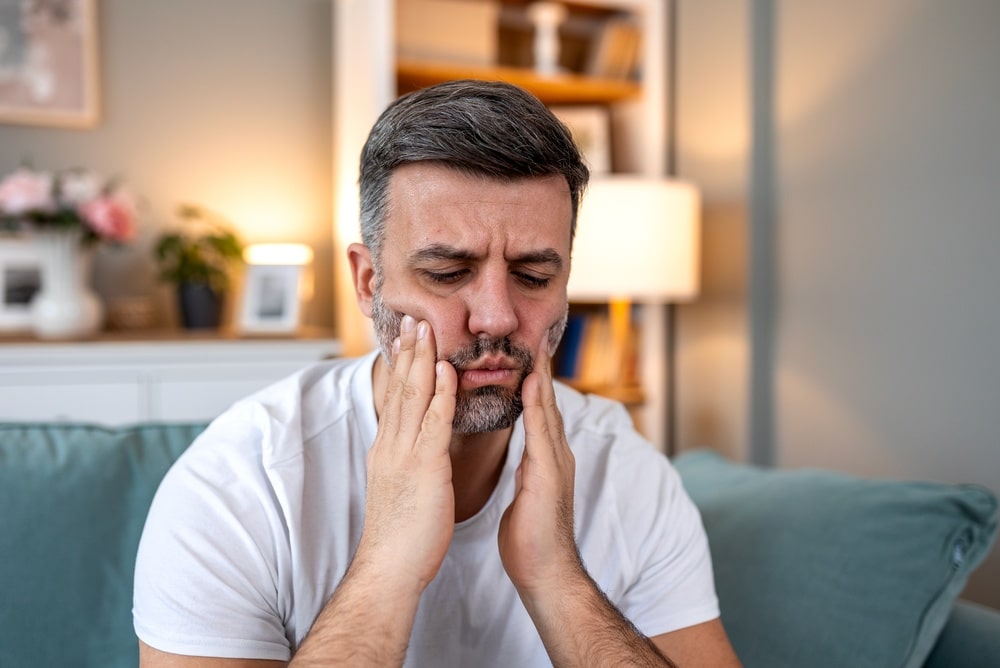
Physical stress manifestations are often easy to identify: we notice the bunching of our shoulders, a stiffening of the neck, or the dull ache in the lower back after a taxing week. However, the jaw—despite housing some of the most powerful muscles in the human body—is frequently omitted from this list. It is often the primary reservoir for physical tension, yet it is typically the last place people think to look for the source of their discomfort.
A significant number of people who clench their teeth are entirely unaware of the habit. Instead of recognizing the action, they experience the aftermath: waking up with throbbing temples, experiencing persistent earaches despite healthy ear canals, or feeling an inexplicable facial fatigue by mid-morning. The connection between these symptoms, sleep quality, and emotional stress often only becomes clear once the mechanics of jaw tension are explained.
Understanding why this common symptom of stress is so easily overlooked is the first step toward finding relief and preventing long-term structural damage.
The 30-Second Jaw Tension Assessment
You can perform a simple check right now to determine your baseline tension. Without consciously shifting your mouth, pay attention to the current position of your teeth.
In a healthy resting state, your upper and lower teeth should not be touching. The ideal “neutral” posture involves the lips being closed, the teeth slightly separated, and the tongue resting gently against the roof of the mouth. In a typical day, your teeth should only make contact during the act of chewing or swallowing—a cumulative total of only a few minutes every 24 hours.
If you discovered your teeth were clamped together just now, take note of that habit. Try repeating this check mid-afternoon or during a high-pressure task. Many are surprised to find they are engaging these muscles almost constantly, which confirms that jaw tension is a factor in their daily physical well-being.
The Physiological Impact of Clenching and Grinding
The temporomandibular joint (TMJ) is located just in front of the ears and is one of the most active joints in the body, facilitating speech, eating, and swallowing thousands of times daily. This complex system is powered by several muscle groups, including the masseter at the jaw’s angle, the temporalis over the temples, and the deeper pterygoid muscles.
There is a distinct difference between clenching and grinding (bruxism). Clenching involves sustained, static pressure with the teeth held together. Grinding involves movement and friction under that same pressure. Because both behaviors frequently occur during sleep, the muscles often work for hours without the recovery periods they receive during the day.
This constant exertion leads to overworked, tender muscles that eventually refer pain to other areas of the head and neck. This “referred pain” is the primary reason why jaw issues are so frequently misdiagnosed as other health problems.
Symptoms Often Misattributed to Other Causes
Because the jaw is part of a complex network of nerves and muscles, its symptoms are often “masked” as other issues:
- Morning Headaches: Tension in the temporalis muscle often manifests as a dull ache across the temples or behind the eyes that is most intense upon waking and gradually fades during the day.
- Referred Ear Pain: Because the jaw joint is situated directly adjacent to the ear canal, TMJ inflammation is frequently mistaken for a persistent ear infection.
- Chronic Neck and Shoulder Stiffness: The jaw and the upper cervical spine are posturally linked. If the jaw is tight, the neck muscles often compensate, leading to stiffness that stretching alone cannot resolve.
- Facial Exhaustion: A feeling of “heaviness” or fatigue in the face, particularly after long periods of talking or eating.
- Joint Noises: Clicking, popping, or a sensation of the jaw “catching” when opening the mouth wide.
- Dental Changes: Increased tooth sensitivity, flattened biting surfaces, or even small chips in the enamel.
- Fragmented Sleep: Clenching often intensifies during lighter stages of sleep, creating a cycle where poor sleep quality and jaw tension reinforce each other.
Identifying Your Personal Triggers
Stress is the most common catalyst for jaw tension, and many people notice their symptoms peak during particularly demanding weeks. However, lifestyle factors also play a significant role. Late-day consumption of caffeine or alcohol can disrupt sleep architecture, leading to more frequent episodes of nighttime clenching.
Ergonomics and posture are also critical factors. Maintaining a “forward head” posture—often seen when looking at laptops or smartphones—shifts the resting position of the jaw and increases the load on the supporting musculature. If your desk setup leaves your neck feeling strained by the end of the week, it is likely affecting your jaw as well.
Finally, repetitive habits can keep an irritated joint from healing. This includes excessive gum chewing, favoring one side of the mouth when eating, resting your chin on your hand, or cradling a phone between your shoulder and ear. While these habits may not cause the problem initially, they prevent the joint from settling down.
Practical Home Strategies for Relief
Managing mild jaw tension often starts with simple lifestyle adjustments:
- Active Awareness: Use the “teeth apart” check several times a day. Simply identifying when you are clenching can help retrain the muscles to relax.
- Heat Therapy: Applying a warm compress to the jaw muscles and temples for 10 to 15 minutes in the evening can help soothe muscular tightness before sleep.
- Dietary Modification: During a flare-up, avoid particularly chewy or hard foods such as tough meats, crusty bread, ice, or gum. This reduces the mechanical load on the joint and allows inflammation to subside.
- Sleep Hygiene: Improving the quality of your sleep can directly reduce clenching. Aim for a consistent wind-down routine, limit screens before bed, and monitor your caffeine intake.
- Ergonomic Support: Ensure your workspace is optimized. Your screen should be at eye level, and your head should be positioned over your shoulders rather than protruding forward.
- Controlled Movement: Practice slow, gentle opening and closing of the mouth within a comfortable range. Avoid “testing” the joint by forcing it wide or digging aggressively into the muscle.
Potential Pitfalls and Cautions
It is important to be cautious with “quick fixes.” Generic, over-the-counter “boil and bite” night guards can sometimes do more harm than good. If a guard is not properly fitted to your specific bite, it can cause the jaw to shift into an unnatural position, potentially worsening your symptoms. Mouth splints should generally be a clinical decision made by a professional who understands your specific bite mechanics.
Additionally, do not assume every instance of jaw pain is stress-related. Discomfort can also stem from dental infections, cracked teeth, emerging wisdom teeth, or localized arthritis. Attributing persistent pain solely to tension without a professional evaluation could lead to overlooking a more serious underlying dental issue.
When to Seek Professional Consultation
While occasional, mild tension can often be managed at home, certain “red flags” indicate that it is time to see a professional:
- The jaw “locks” in an open or closed position.
- Pain is constant, worsening, or interfering with your ability to eat and sleep.
- You notice visible wear, thinning, or chipping of your teeth.
- Clicking or popping in the joint is accompanied by sharp pain.
- Symptoms are isolated to one side and do not improve with rest.
A dentist is typically the best first point of contact. They can evaluate the wear patterns on your teeth, check the alignment of your bite, and rule out structural dental issues that might be mimicking muscular tension. Understanding the various treatment options for jaw joint disorders can help you have a more informed conversation during your appointment.
Summary: Protecting the Jaw from Silent Stress
Jaw clenching is a unique stress response because it can cause genuine structural damage while you are completely unconscious. Over time, it can lead to worn enamel, joint irritation, and chronic headaches. The most effective way to address this “silent” issue is through early intervention. By practicing regular self-checks, optimizing your sleep and workspace, and using gentle home care, you can often settle symptoms before they escalate. However, if you experience locking, persistent pain, or tooth damage, seeking professional dental advice is essential to ensure the long-term health of your teeth and jaw joint.