














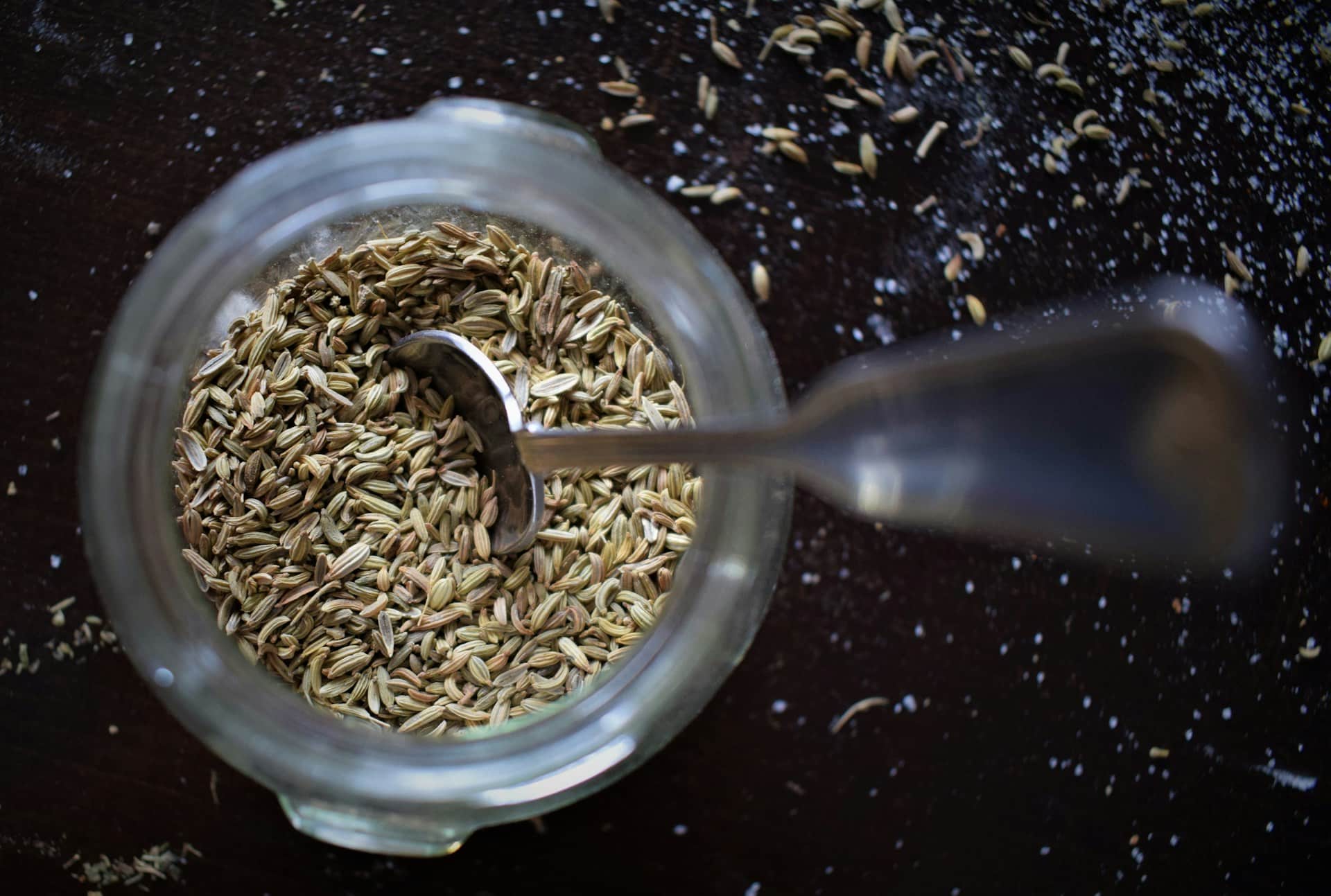
Cumin (Cuminum cyminum) is a widely known herbaceous plant cultivated for its seeds, which serve as a popular spice worldwide. Available either whole or in powdered form, cumin has long been utilized for its flavor and various health benefits. Its historical role as a medicinal ingredient in numerous cultures further emphasizes its significance.
1. May Help With Weight Management
Research suggests that incorporating cumin into your diet may assist in weight management. In a study where participants consumed around half a teaspoon (approximately 1.5 grams) of cumin with yogurt before meals, those who included the spice experienced reductions in body weight, BMI, and waist circumference. It’s worth noting that all participants followed a lower-calorie diet aimed at facilitating weight loss.
2. Could Help Lower Cholesterol
Continued research revealed that those adding 3 grams of cumin to their daily yogurt intake demonstrated improvements in cholesterol profiles. Participants recorded lower levels of fasting cholesterol, triglycerides, and LDL (the “bad” cholesterol), alongside an increase in HDL (the “good” cholesterol). This particular study, however, was limited to women, highlighting the need for further exploration among diverse populations.
3. May Aid in Diabetes Prevention
The protective role of various herbs and spices, including cumin, against diabetes is gaining attention. Some evidence points to cumin’s components, such as cuminaldehyde, as potentially beneficial for blood sugar control by inhibiting carbohydrate-metabolizing enzymes. However, the research is mixed: while a systematic review found no major blood sugar benefits from cumin supplementation, certain studies indicate that cumin essential oil may possess favorable effects.
4. May Reduce Bloating
The relationship between cumin and digestive health, especially concerning irritable bowel syndrome (IBS), requires additional investigation. In a preliminary study, participants consuming cumin extract reported less bloating and improved stool consistency, though more research is essential to confirm these findings.
5. Can Be Used to Treat Diarrhea
In traditional medicine, particularly in regions like Indonesia and India, cumin has been utilized as a remedy for diarrhea. A study involving participants with diarrhea-dominant IBS showed a decrease in bowel movement frequency after four weeks of cumin treatment, though symptoms returned after discontinuation of the extract.
6. Can Protect Against Memory Loss
Animal studies have suggested that high doses of cumin extract might offer protective benefits against memory decline. Nevertheless, the limitations of these studies indicate a pressing need for human research to evaluate cumin’s efficacy, safety, and appropriate dosage.
7. May Serve as an Antioxidant
Cumin is rich in several antioxidants, including cuminaldehyde, thymol, and beta-pinene. These compounds, along with polyphenols and various acids, contribute to its antioxidative properties, potentially mitigating oxidative stress-induced cellular damage.
8. Can Provide Anti-Inflammatory Properties
Various studies on cumin have highlighted its anti-inflammatory potential, attributed to its bioactive compounds. However, most findings stem from animal and lab studies, warranting further investigation with human cohorts.
Potential Antibacterial and Antimicrobial Properties
Recent laboratory studies suggest that extracts of cumin might possess significant antibacterial and antimicrobial characteristics. These extracts were tested against strains of bacteria resistant to multiple antibiotic treatments, demonstrating promising effectiveness. Interestingly, historical practices indicate that ancient Egyptians utilized cumin as a remedy for parasitic infections, highlighting the spice’s long-standing reputation in traditional medicine.
Potential Anticancer Benefits
Research involving animals has shown that cumin may have potential anticancer effects. In a controlled study, rats receiving cumin powder or dried ethanolic cumin extract experienced a significantly lower incidence of tumors compared to the control group, where 96% of rats developed tumors. The groups supplemented with cumin not only reported fewer cases but also experienced slower tumor growth and smaller tumor sizes. Nonetheless, further studies on humans are necessary to validate these findings and understand the full extent of cumin’s effects.
Incorporating Cumin into Your Diet
To enhance your meals, consider adding ground cumin to scrambled eggs or omelets for an extra layer of flavor. It blends excellently in soups and stews, especially those featuring beans or lentils. Transform a simple rice dish into a tasty side by mixing it with cumin. A quick salad dressing can be made by whisking together olive oil, lemon juice, ground cumin, salt, and pepper, easily bringing a zesty twist to your greens.
Who Should Limit or Avoid Cumin?
While cumin can be beneficial, certain individuals may need to exercise caution or avoid it altogether. This group includes:
– Individuals with an allergy to parsley, as cumin belongs to the same family.
– Those experiencing low blood sugar or are prone to hypoglycemia.
– Pregnant or breastfeeding women.
– People with bleeding disorders or those preparing for surgery.
Understanding the Risks of Cumin
Generally, cumin is safe and flavorful when used in cooking. It can also be found in extract or essential oil forms, but it’s crucial to distinguish it from black seed cumin, which is different. Currently, there is no established safe dosage for cumin supplementation; therefore, it is advisable to use cumin primarily for culinary purposes. A standard teaspoon of cumin powder is approximately 3 grams. If you’re considering using cumin as a supplement, consult with a healthcare professional to ensure it’s suitable for your needs.
Image Source: Unsplash