













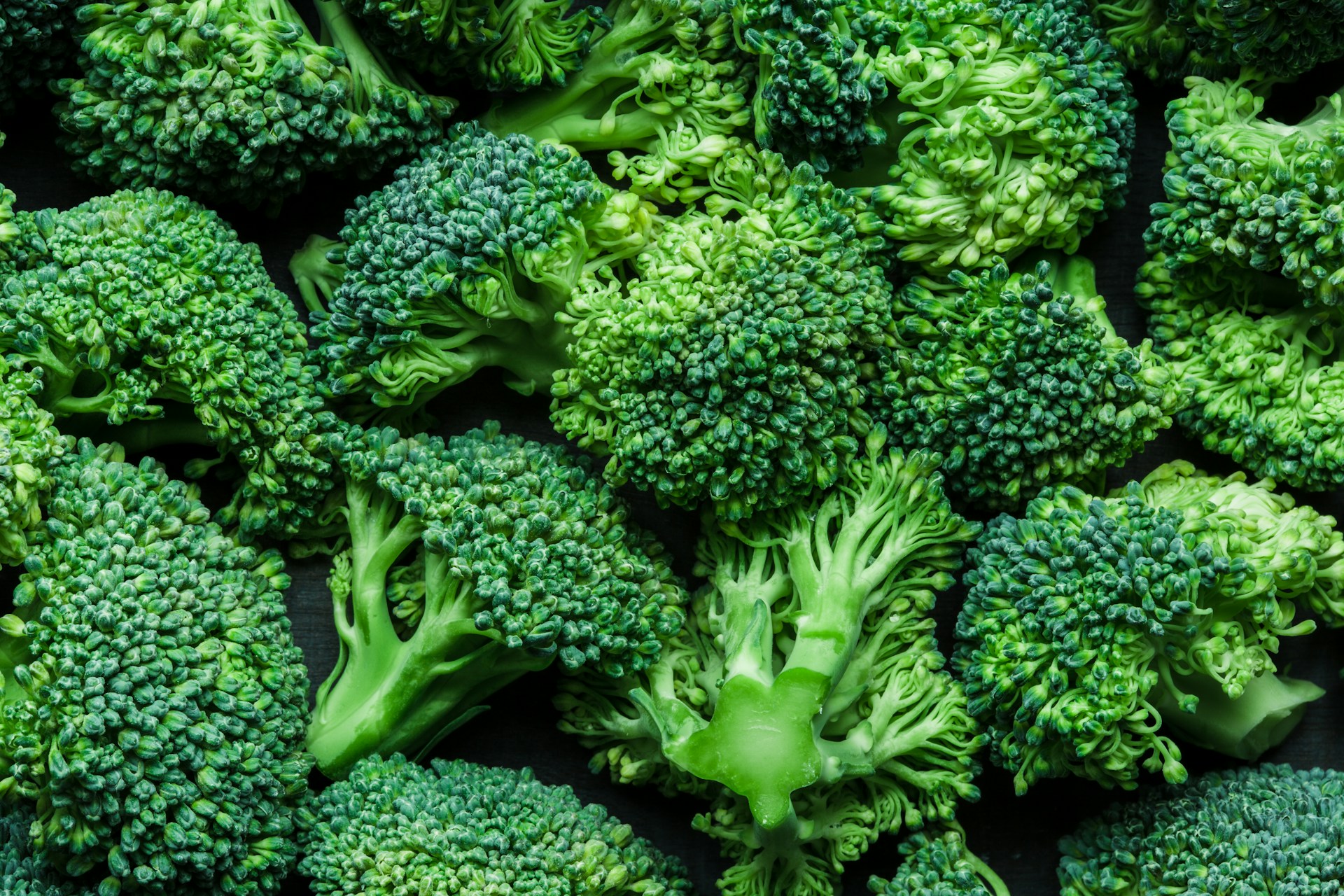
Broccoli, a prevalent member of the cruciferous vegetable family, is celebrated not only for its rich nutrient content but also for its powerful plant compounds that may aid in hormone regulation. One of the primary hormones impacted by broccoli consumption is estrogen, vital for metabolic processes and reproductive health. However, the vegetable’s supportive role goes well beyond just this hormone.
How Broccoli Supports Hormone Balance
Broccoli contains indole-3-carbinol (I3C), which the body converts into diindolylmethane (DIM)—a compound linked with the metabolism of estrogen. This transformation can play an essential role in how the body breaks down this hormone, facilitating a healthier balance. Additionally, sulforaphane, an antioxidant found in broccoli, has been shown to reduce inflammation and may assist in the detoxification of excess estrogen in the liver.
According to dietitian Lena Beal, this process promotes the formation of advantageous estrogen metabolites, potentially lowering the risk of hormone-related cancers. While broccoli doesn’t actively raise or lower hormone levels, it enhances the body’s capability to process these hormones effectively, providing crucial support for the endocrine system.
Which Hormones Are Affected?
Broccoli contributes to the balance of multiple hormones, making it beneficial for both men and women. Hormonal disruptions can lead to various symptoms, including weight gain, mood fluctuations, and fatigue. Therefore, maintaining a balanced diet, rich in foods like broccoli, can significantly improve overall hormonal health.
Beal emphasizes the importance of achieving balance and considering how hormones interact with one another. An excess of one hormone, such as estrogen compared to testosterone, can potentially trigger unwanted side effects, underscoring the need for dietary choices that foster equilibrium.
Who Benefits Most From Eating Broccoli?
While nearly everyone can benefit from including broccoli in their meals, specific groups might experience more pronounced advantages. For example, individuals dealing with hormonal imbalances or conditions such as polycystic ovarian syndrome (PCOS) may find broccoli particularly helpful, given its anti-inflammatory properties and nutrient density.
A conversation with Dr. Layan Alrahmani, an OBGYN, highlights that while some compounds in broccoli have been investigated in supplement forms (often at higher doses than typically consumed), their effects in regular dietary amounts must be considered. This warrants further exploration but reflects a promising avenue for future health interventions.
How to Prepare Broccoli for Optimal Health Benefits
Maximizing broccoli’s health potential involves thoughtful preparation. Here are strategic ways to elevate its benefits:
– Steam Lightly: This cooking method retains sulforaphane, ensuring you reap the most significant benefits from this compound.
– Incorporate Healthy Fats: Pairing broccoli with healthy fats like olive oil, avocados, or nuts can enhance your body’s absorption of essential fat-soluble vitamins and phytonutrients.
– Create Balanced Meals: Combining broccoli with protein, fiber, and complex carbohydrates fosters stable blood sugar levels, which supports reproductive health.
– Make It a Habit: Regularly including broccoli in your diet—aim for several servings a week—can provide long-lasting effects on hormone balance.
– Moderation is Key: While broccoli is highly nutritious, eating it and other cruciferous vegetables in excessive raw amounts may lead to thyroid function interference due to goitrogens.
What This Means for You
Integrating broccoli into your diet can serve as an effective and tasty way to support your body’s natural hormone regulation. Regular consumption, particularly when paired with healthy fats, can promote hormonal balance and assist with cycle regulation and blood sugar management. This vegetable presents a flavorful alternative to hormone-monthly supplements, making it a simple yet impactful addition to your weekly meals for those who experience PMS or hormone-related issues.
Final Thoughts
As our understanding of nutrition and its impact on hormone balance grows, integrating nutrient-dense foods like broccoli into daily meals can significantly enhance wellness. Not only is broccoli an incredibly versatile ingredient, but it also offers substantial health benefits that can aid in achieving hormonal harmony and overall vitality.
Image Source: Unsplash