














getting sick, but they can support your immune system, potentially making it more resilient in the face of illness. Just think of your gut as a battleground, where good bacteria are your allies against harmful intruders. With the right probiotics, you’re not just feeding your gut; you’re equipping your body’s first line of defense to fight better.
As we wade deeper into peak cold and flu season, many of us are on the lookout for natural ways to bolster our health. It’s easy to feel overwhelmed by the choices—vitamins, herbal supplements, teas—each promising to boost your immunity. Amidst this chaos, probiotics often get the spotlight for their gut health benefits, but they do indeed hold promise for your immune system too.
Dr. Freitas emphasizes that not all probiotics are created equal. This means that if you’re considering adding probiotics to your wellness regimen, it’s crucial to pick the right strains. Each strain carries its own unique set of benefits—you wouldn’t want to take a probiotic strain that helps with indigestion when you’re seeking immune support. It’s like choosing the right tool for a job; you must know which tool fits your specific needs.
Research suggests that some probiotics might engage directly with your gut’s immune cells. Imagine your gut as a mysterious ecosystem, with probiotic bacteria acting much like stakeholders who communicate effectively to keep everything running smoothly. They might produce substances that communicate with these immune cells, telling them when to gear up for action or when to settle down.
There’s also evidence showing that probiotics can enhance your body’s inherent defenses. They may help eliminate harmful germs and enhance the gut lining’s strength—essentially, helping the walls of your fortress to stand tall and firm. Furthermore, they compete with potentially harmful organisms for space in your gut, effectively blocking them out from setting up shop in your digestive tract.
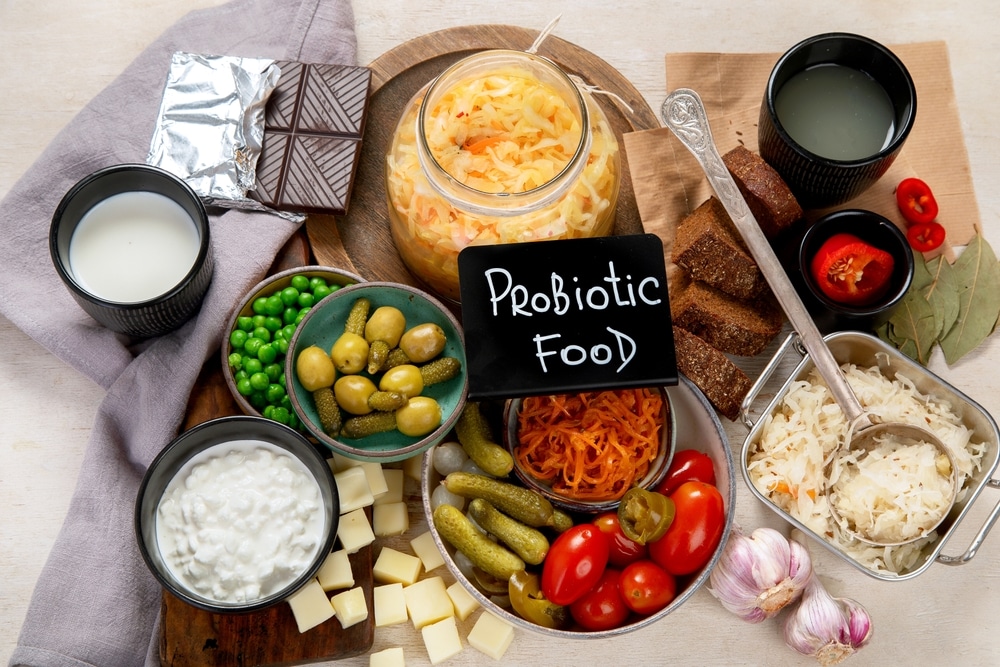
Talking about the intricate relationship between gut health and immunity brings us back to a significant fact: a substantial portion of your immune system resides in your gut—around 70%, to be more precise. This astonishing statistic illustrates just how interconnected our overall health really is. A diverse mix of beneficial microbes paves the way for a well-functioning immune system. If you’re like many, the thought of a healthy gut might just inspire you to think about your diet and lifestyle more consciously. Eating a balanced diet rich in fiber, fermented foods, and possibly supplementing with specific probiotics could be transformative.
Of course, while probiotics can be incredibly supportive, they’re not a magic shield. This means that even with probiotics on your side, you’ll still need to adopt other healthy practices—getting enough sleep, managing stress, and eating plenty of fruits and veggies—to maintain optimal health during cold and flu season. In essence, think of probiotics as a helpful ally in a larger symphony of wellness.
So, as you navigate this chilly season, remember that every little choice counts when it comes to nurturing your gut and, in turn, your immune system. It’s all about building a resilient foundation for your health, giving your body the best opportunity to fight off those pesky colds and keep you feeling your best. Taking the time to understand your body, embrace healthy habits, and include targeted probiotics could make a significant difference—even amid those relentless winter bugs.When it comes to maintaining our health, particularly during flu season or periods when colds seem to be making their rounds, it’s crucial to provide our immune system with the support it needs. One key player in this support is the gut microbiome. Dr. Freitas emphasizes that “the more we can learn about the gut microbiome, the more we can leverage it to benefit health.” Understanding how our gut health ties into our overall well-being opens up new avenues for bolstering our immune defenses.
So, what’s the best type of probiotic strain to choose for immune health? It’s important to recognize that the benefits of probiotics are very much specific to the strain in question. Dr. Freitas advises that you should be on the lookout for a probiotic product that contains strains of bacteria that have been clinically shown to help support immune function. One noteworthy example is the strain known as *Lactobacillus casei* DN-114 001. This particular strain isn’t just a random selection; it’s been extensively studied and demonstrated to be effective in nourishing our immune health. You can find this strain in products like DanActive Probiotic Dailies yogurt drinks available for around $5. If considering supplements, it’s wise to consult your healthcare provider first. They can steer you toward reputable brands that prioritize quality and are third-party tested, adding an extra layer of trust to your purchase.
When it comes to dosage, there’s a bit of a range to navigate. The amount of colony-forming units (CFUs) needed for any health effect varies by the specific probiotic strain and the amounts tested in clinical studies. Most common recommendations fall between one billion and ten billion CFUs a day, with some strains studied at even higher ranges. It’s all about finding what will best suit your body and needs.
Besides probiotics, there are other essential lifestyle shifts you can make to keep your immune system humming along. Here are a few practical strategies that can make a real difference in your day-to-day life:
First up, eat a colorful spectrum of fruits and vegetables. Dr. Freitas points out that while there’s no one magic food that can instantly boost your immune system, loading up on a wide variety of fruits and veggies can help provide your body with necessary vitamins like C, D, and A, along with minerals such as zinc. The more colorful your plate, the better!
Physical activity is another important contributor to immune health. Dr. Freitas notes that emerging evidence suggests regular exercise is beneficial for our immune systems. Aim for about 150 minutes of moderate-intensity exercise each week, along with two days of muscle-strengthening activities. But don’t stress about finding a large block of time! Most of us prefer chopping that time into manageable chunks, like swapping out a 30-minute brisk walk five days a week.
Cutting back on alcohol can also play a pivotal role in maintaining your immune health. While enjoying a drink every now and then is usually harmless, excessive consumption can leave your immune system vulnerable. Consider mixing up a refreshing mocktail instead, or adopt some mindful drinking habits that help you keep your intake in check.
Let’s not forget the power of a good night’s sleep. Dr. Freitas highlights the significance of quality sleep for your immune system. Research suggests that those who don’t prioritize sleep are more prone to falling ill when exposed to infections. Strive to clock in 7 to 9 hours of restful sleep each night, and try to stick to similar sleep and wake times every day. Your body—or at least your future self—will thank you for it!
Lastly, don’t hesitate to check in with your healthcare provider if you find yourself getting sick time and time again, or if you know you’re immunocompromised. It’s worth having that conversation to explore any underlying issues. They can run the necessary tests and help create a personalized plan to safeguard your immune system.
In summary, while there’s promising evidence that certain probiotics, such as *Lactobacillus casei* DN-114 001, may enhance your immune system, ongoing research is still uncovering the full extent of their benefits. Remember, simply taking a probiotic doesn’t guarantee you won’t catch a cold or the flu, but it can certainly play a role in supporting your health. If you’re keen to explore probiotics, opt for those that contain the aforementioned strain and ensure they come from trusted sources. Consulting your healthcare provider is always your safest bet when integrating any new supplements into your routine.
So, take a moment to reflect—what small changes can you implement in your everyday life to nurture your health and enhance your immunity? Remember, every little effort counts.
Image Source: Tatjana Baibakova / Shutterstock