















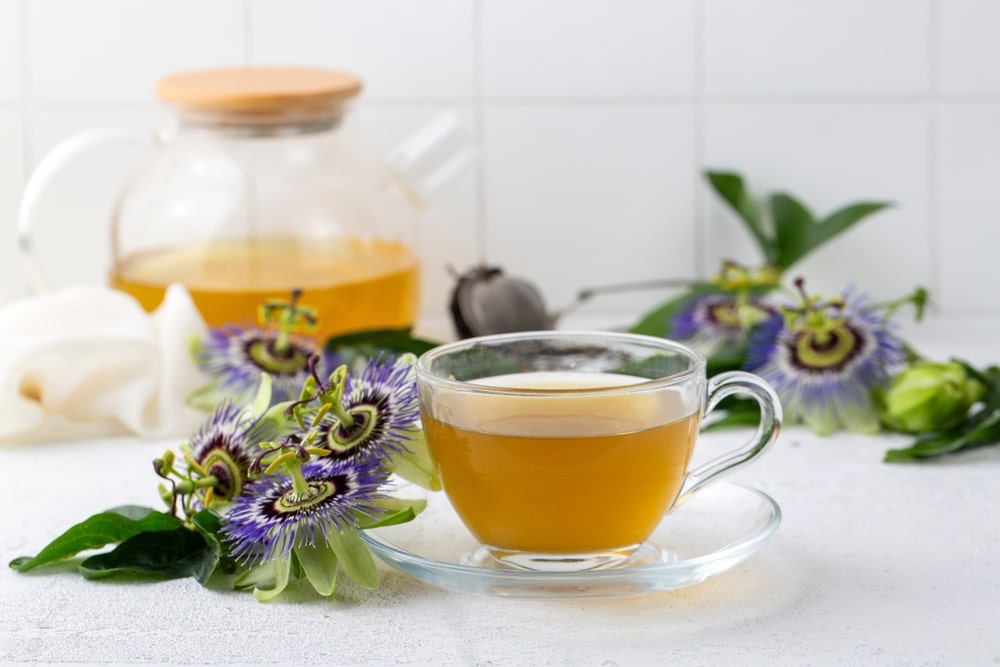
Herbal tea is crafted using a myriad of water-infused herbs, flowers, and plants. Popular variations include peppermint, dandelion, and fennel teas, which are celebrated not only for their delightful flavors but also for their health benefits, particularly concerning digestive wellness. Studies suggest that these teas can enhance digestion and minimize discomfort associated with bloating and other gastrointestinal issues.
Easing Nausea
Numerous herbal teas are known to effectively combat nausea and vomiting. Some of the most effective include:
- Ginger
- Peppermint
- Chamomile
- Fennel
Research highlights the efficacy of chamomile extract in treating nausea linked to pregnancy. Ginger, meanwhile, has been shown to alleviate nausea, vomiting, and other discomforts associated with conditions like motion sickness, pregnancy, and chemotherapy.
Soothing Indigestion
Ginger is particularly beneficial in reducing stomach acidity which can prevent acid reflux and indigestion. Scientific investigations reveal that ginger may alleviate symptoms associated with gastroesophageal reflux disease (GERD), such as cramping and bloating. While supplements may accelerate stomach emptying, further research is essential to ascertain if ginger tea offers equivalent advantages.
Lowering Inflammation
Certain herbal teas demonstrate anti-inflammatory properties that could be beneficial for gut health:
- Ginger tea can help mitigate gastrointestinal inflammation, which, if chronic, might lead to severe health complications.
- The antioxidants in ginger may assist in lowering inflammation across the body, potentially reducing swelling within the intestinal wall.
- Peppermint tea may also ease gut swelling and is recognized for its potential benefits in alleviating pain and bloating related to irritable bowel syndrome (IBS).
Relieving Bloating
Teas sourced from ginger or peppermint can be beneficial for reducing bloating. Ginger contains specific compounds called gingerols and shogaols which encourage the stomach to empty more quickly. This increased efficiency can alleviate issues associated with gas, bloating, and indigestion.
Enhancing Digestion
Certain herbal teas are packed with digestive enhancers. For instance, gentian tea, derived from the gentian root, can stimulate appetite and relieve bloating. Dandelion tea, known for its roots, contributes to effective gastric motility and thus benefits overall digestion.
Reducing the Risk of Ulcers
Fennel, whether consumed raw or in tea form, may aid in decreasing the likelihood of stomach ulcers. Although human studies are limited, animal research indicates that fennel’s antioxidants could reduce ulcer risk. Additional herbal teas like those made from marshmallow root can stimulate mucus production, coating the gastrointestinal tract and potentially lowering ulcer risks.
Promoting Bowel Movements
Herbal teas containing senna can promote healthy bowel movements by stimulating colon contractions, which help reduce constipation risks. However, daily consumption should be approached with caution unless advised by a healthcare professional. Fennel tea has also shown promise in enhancing bowel regularity through consistent consumption.
Safety Risks and Considerations
While herbal teas are generally safe, certain precautions should be taken. Pregnant or breastfeeding women are advised to consult healthcare providers before incorporating herbal teas, as some may lead to complications. Additionally, some herbs could interact adversely with prescription medications, highlighting the importance of discussing any new herbal tea regimen with a healthcare professional.
Natural Approaches to Gut Health
Aside from indulging in herbal teas, there are multiple ways to bolster gut health through natural means:
- Hydration: Drinking ample water can improve digestion and prevent constipation.
- Nutrient-rich Diet: Focusing on a diverse diet full of fruits, vegetables, legumes, and healthy fats can promote digestive wellness.
- Fiber Intake: Increasing fiber in one’s diet can enhance gastric motility and lower the risk of constipation.
- Stress Management: Regular stress management practices can minimize inflammation and maintain balanced hormone levels, both crucial for gut health.