















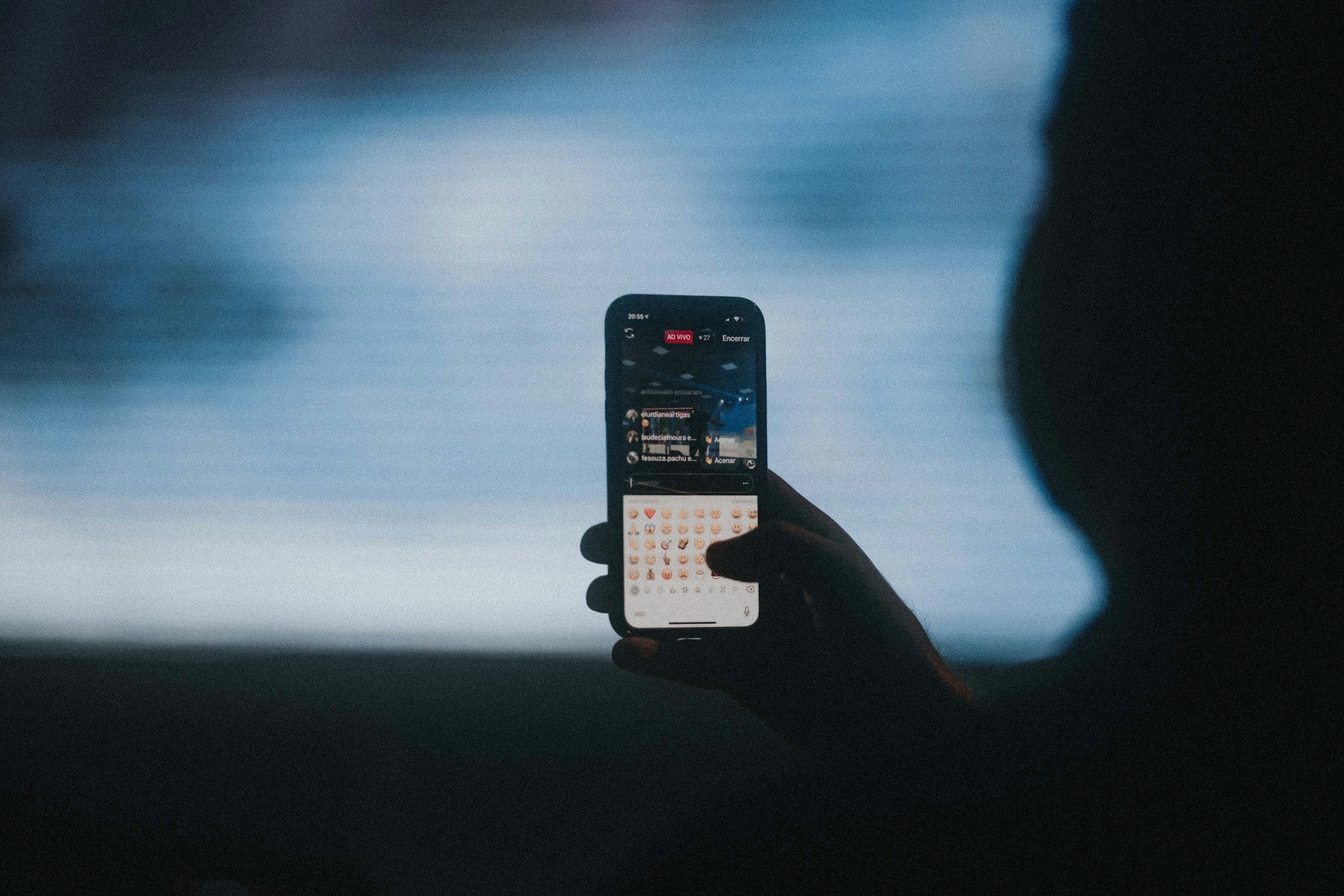
Screen time has become a primary source of entertainment and social interaction in today’s digital age. Whether you’re binging your favorite series or scrolling through social media, our reliance on screens has mixed effects. While technology offers myriad benefits, it’s also incredibly convenient and portable, contributing to a cycle of addiction. Recognizing when screen time begins to encroach upon physical activity is crucial, as it can pave the way for a sedentary lifestyle that impacts overall health.
Fortunately, practical solutions exist to counteract this issue. Simple adjustments, such as incorporating a walking pad into your routine, can provide significant health benefits. Even the screen itself can be transformed into a tool for minimizing excessive inactivity.
Redefining Screen Engagement
Often, screens foster a sedentary mindset. Traditional television encourages prolonged sitting, as we become engrossed in stories that demand our attention. Even smartphones, with their endless stream of content, release small doses of dopamine with each scroll, fostering a cycle of mindless consumption.
However, engaging with media doesn’t have to mean sacrificing movement. Embrace the shows you enjoy while also keeping active! Setting a timer for the midway point of a film can prompt you to stand, stretch, or engage in light exercises before continuing. You might incorporate yoga, weights, or even a walking pad while watching your favorite content. The key is to remain flexible and creative with your screen time.
Your device can also enhance mundane tasks. Listening to a podcast or your favorite tunes while cleaning can motivate you or even transform dull chores into enjoyable experiences. Try completing tasks within the duration of a song, synchronizing your movements with the rhythm for an added boost.
Infusing Movement into Work
The common belief that work necessitates remaining seated at a desk is an outdated notion. It’s important to challenge the idea that productivity equates to stillness, particularly for those in office environments.
Implementing furniture like standing desks or adjustable workstations encourages movement throughout your workday. After hours of sitting, a change in posture can revive your body and elevate mental clarity. To make the most of this setup, consider setting reminders to stand up or take short walks, rewarding your body with movement and fresh energy.
Active Entertainment Options
Maintaining activity during screen time doesn’t require you to disregard the screen entirely. In fact, screens can serve as a catalyst for physical engagement. Utilizing television for workouts has been a staple since the days of morning fitness programs. Today, platforms like YouTube offer extensive workout routines suitable for all fitness levels. You might even explore dance classes or interactive fitness games, including engaging K-pop choreography or virtual reality workouts that require physical participation.
Creating Family-Friendly Active Screen Time
Balancing screen time with family activities can be both fun and engaging. For those managing kids, look for interactive videos that involve everyone. During commercial breaks, turn the downtime into active time—challenge the kids to a quick race around the house. The winner could choose the next video or activity, weaving in a bit of healthy competition and movement.
Transforming screen time into a physically active venture doesn’t mean eliminating screens. Their convenience makes them an ideal tool for promoting movement. Instead, leverage their presence as a source of inspiration and a guide for active engagement.
As with all aspects of health, moderation is key. While screens can encourage stillness, they can also be a source of energy and movement. Ultimately, it’s your choice to engage in the way that benefits your lifestyle best.
Image Source: Unsplash