















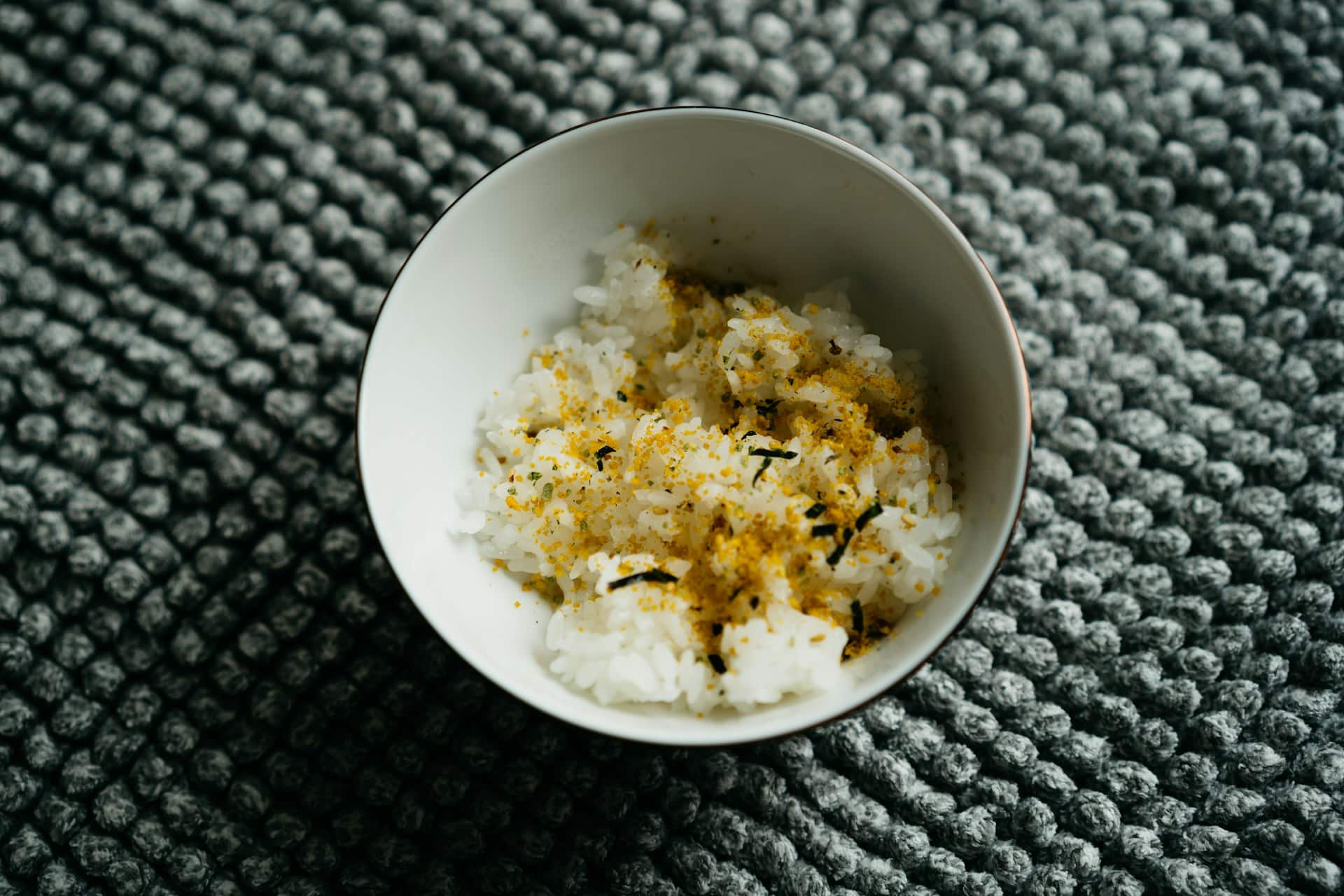
Leftover rice has become a topic of concern within the health community, with many people unaware of the potential food safety risks involved. Bacillus cereus, a common bacterium found in uncooked rice, can lead to foodborne illness if proper precautions aren’t taken.
The Science Behind Food Poisoning from Rice
Bacillus cereus spores are remarkably resilient; they can survive cooking and emerge when the rice is left at room temperature for extended periods. This bacterium, while capable of contaminating various foods such as meat and stews, is particularly notorious in rice dishes. As these spores activate and produce heat-resistant toxins, simply reheating leftover rice isn’t sufficient to ensure safety.
Unknowingly, many individuals leave cooked rice to cool before refrigerating, a practice that increases the risk of foodborne illness. It’s essential to challenge this myth: food does not need to cool at room temperature.
Strategies for Safe Rice Storage
To minimize the risk of food poisoning, proper cooling and storage methods are paramount. The safest way is to consume rice shortly after cooking or promptly refrigerate it at temperatures of 40°F (4°C) or below. Even when stored correctly, leftover rice should be consumed within four days.
The USDA cautions against leaving food out for longer than two hours. Situations such as potlucks or takeout demand additional care—using a cooler in warmer weather can help mitigate risk. It’s crucial to note that during hot conditions (around 90°F or above), the safe window decreases to just one hour.
Symptoms and Recovery from Bacillus cereus Poisoning
If you happen to fall ill due to leftover rice, symptoms like stomach cramps, nausea, and diarrhea usually manifest within 24 to 48 hours. Staying hydrated is essential; electrolyte solutions can help restore balance. Light foods such as broth or toast are recommended once your appetite starts to recover.
One important detail to highlight is that antibiotics are ineffective against symptoms caused by Bacillus cereus. Your body’s natural response to rid itself of the toxins typically leads to symptom relief. However, if nausea persists, or if you notice blood in your vomit or diarrhea, it’s prudent to seek medical attention.
Conclusion
While the delicious convenience of leftover rice is tempting, awareness of its risks can prevent foodborne illness. By following safe storage guidelines and recognizing symptoms early, you can enjoy your meals without fear. Always prioritize food safety practices to ensure a healthy dining experience.
Image Source: Unsplash