














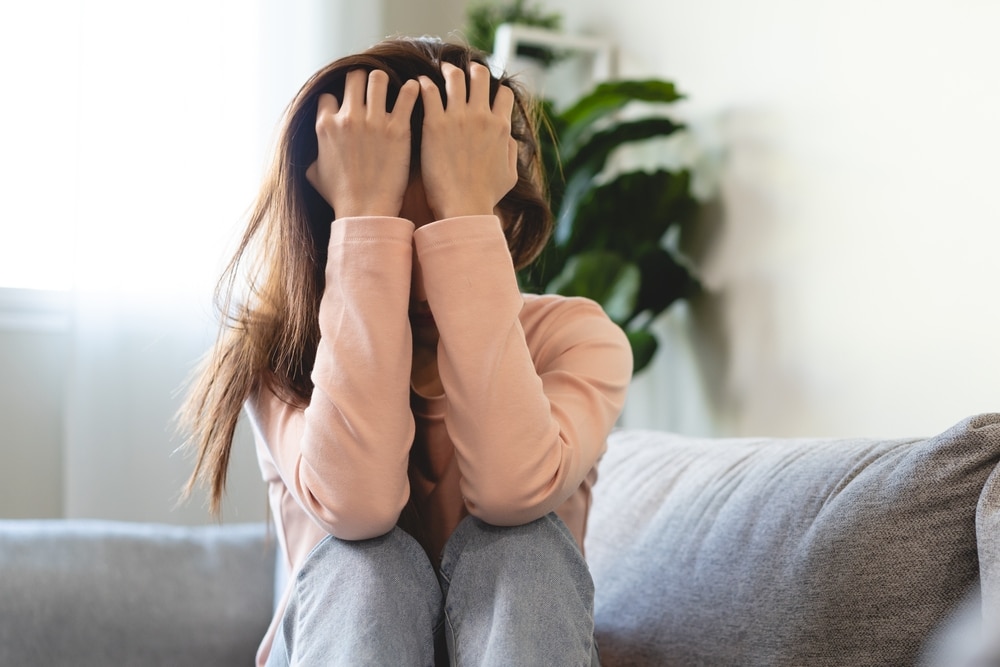
If you’ve ever found yourself feeling completely drained in the days leading up to your period, know that you’re not alone. Many of us have been right where you are—sinking into the couch, dreading that ever-growing to-do list, and wishing for just a bit more energy to make it through the day. We turn to Google with questions like, “Why am I so tired three days before my period?” and it can feel like we’re shouting into the void, searching for some reassurance and answers.
Understanding why fatigue hits hard before our periods is essential, especially since this fatigue is a prevalent symptom experienced by many. Research indicates that approximately 60 percent of menstruating individuals report feeling this way, particularly in the week leading up to their period, with the peak tiredness appearing just a few days before menstruation starts.
Here are five key reasons you may feel so fatigued just three days before your period:
1. Hormonal Fluctuations
You may have noticed that when you’re about to get your period, you don’t just feel emotionally sensitive; you also feel physically exhausted. This exhaustion is largely due to hormonal fluctuations—specifically, the drops in estrogen and progesterone. According to Dr. Jill Krapf, a board-certified gynecologist, these changes can kick in around three days prior to your period. When these hormones drop, it can intensify PMS symptoms and lead to that overwhelming tiredness and mood swings we often dread.
2. Decreased ‘Feel-Good Hormones’
As those reproductive hormones swing lower, this can also impact your brain’s levels of serotonin, the hormone that often keeps us feeling upbeat, calm, and focused. When serotonin dips, feelings of sadness, irritability, and emotional sensitivity can surface. It’s not uncommon to feel sluggish or even find yourself battling mild physical symptoms—sometimes referred to as “period flu.” And if you’re someone managing conditions like anxiety or depression, these symptoms can feel even more magnified.
3. Cravings for Refined Carbs
Right before your period, your cravings might lead you straight to sugary snacks and refined carbohydrates. Who hasn’t reached for that comfort food? While it’s completely normal to indulge, consuming too much sugar can disrupt your sleep quality, leaving you feeling even more tired the next day. Your blood sugar may spike from those carbs, and when it crashes, so does your energy. It’s tempting to enjoy those treats—especially chocolate—but be mindful of pairing them with more wholesome options that sustain your energy levels.
4. Potential Underlying Health Issues
Experiencing extreme fatigue, especially when it seems to linger, could also indicate something else might be at play under the surface. Conditions like anemia or thyroid issues can lead to significant tiredness. Dr. Krapf notes that various health conditions can worsen in the lead-up to your period, causing you to feel even more drained than usual. Ensuring you have an open line with your healthcare provider about these symptoms can be vital.
5. Premenstrual Dysphoric Disorder (PMDD)
If you feel like your fatigue comes with an emotional rollercoaster, you could be experiencing PMDD, a severe form of PMS that affects around 5 percent of menstruating people. Symptoms often extend beyond the confines of the few days before your period, affecting you two weeks leading up to it. Fatigue can be one of many signs of this condition, which may also manifest as significant mood swings, anxiety, and physical discomfort. If this resonates with you, speaking to a healthcare provider can help identify and manage symptoms effectively.
How to Manage Fatigue Before Your Period
Now, here’s the silver lining: there are several strategies you can use to combat that relentless pre-period fatigue. Consider these practical tips to help cope:
1. Prioritize Sleep
Getting enough quality sleep is crucial, especially if you often feel like a zombie in the days leading up to your period. Whether it’s establishing a bedtime routine, winding down with a book in hand, or even sneaking a nap during the day, your body will thank you for it.
2. Nourish Your Body
Your diet plays a significant role in how you feel. Opt for energy-sustaining foods like nuts, fruits, whole grains, and lean proteins. If you crave something sweet, try to go for complex carbs instead of basic sugars that will lead to a crash later.
3. Stay Active
Yes, exercise might be the last thing you want to think about when you’re feeling sluggish, but it can actually provide a much-needed energy boost. Engaging in just 30 minutes of moderate activity—like a brisk walk, yoga, or swimming—can enhance your mood and help reduce those pesky PMS symptoms.
4. Embrace Relaxation
Finding time to relax is vital. Whether it’s through yoga, meditation, or deep breathing exercises, carving out moments for yourself can significantly reduce feelings of anxiety and the fatigue that comes with it.
5. Consider Supplements
While vitamins and supplements aren’t a one-size-fits-all solution, some may be beneficial. Just be sure to consult your healthcare provider before adding anything new to your routine.
When to Seek Help
Finally, if you find that exhaustion or fatigue is impacting your daily life—if you’re feeling excessively tired or weak, or if these feelings persist—you could benefit from speaking with a healthcare provider. Sometimes, a fresh perspective or tailored approach can make all the difference in reclaiming your energy and well-being.
Remember, you’re not alone in this struggle, and understanding the “why” can give you back some power over your experience. Taking small, manageable steps can help you feel more like yourself again.