












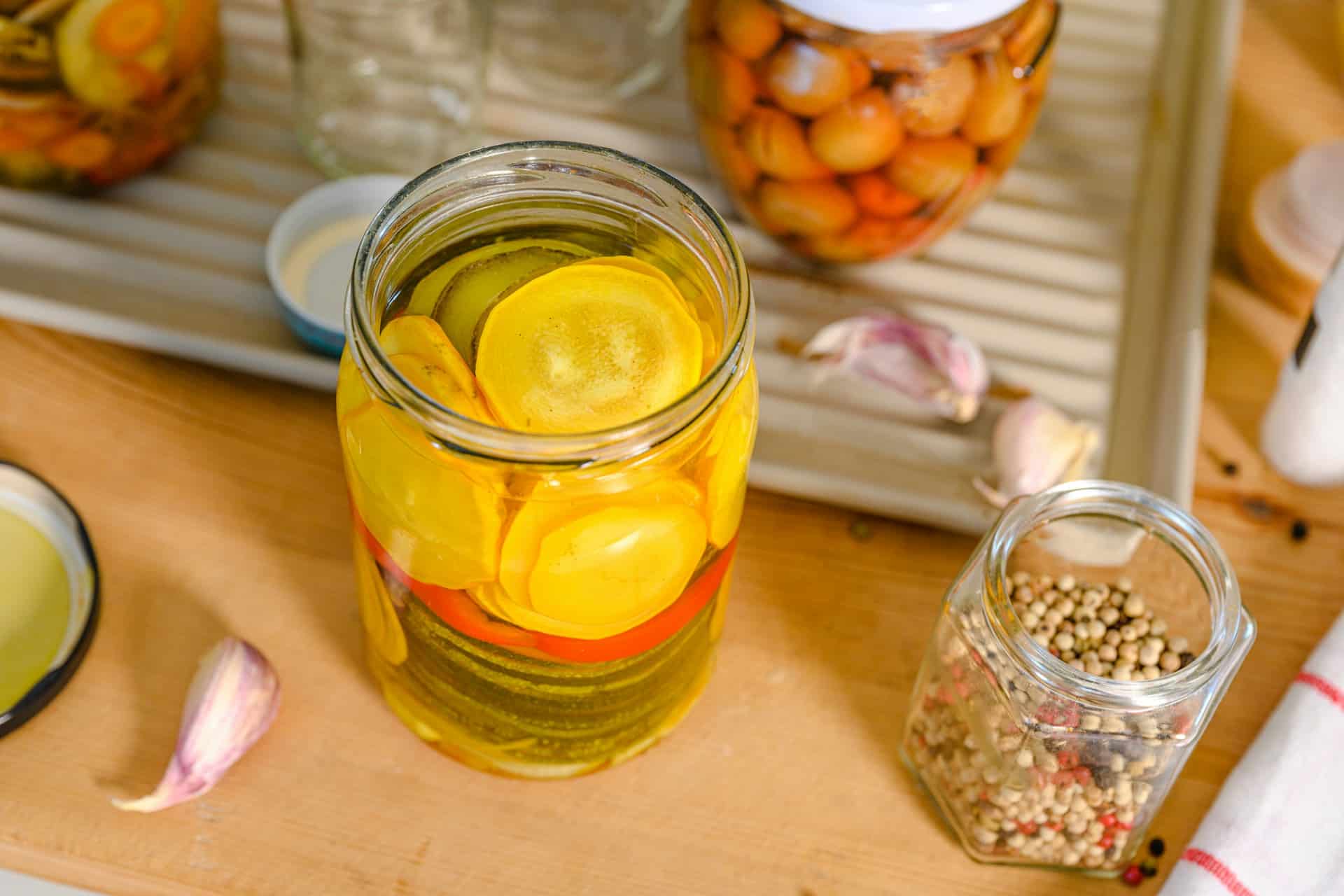
Pickle juice has gained popularity recently, particularly among athletes and those experiencing muscle discomfort. Its intriguing properties may offer quick relief from muscle cramps and even menstrual cramps, thanks to its unique composition.
How Pickle Juice Eases Muscle Cramps
Muscle cramps occur when a muscle involuntarily contracts, leading to acute pain. These contractions can be momentary or may last several minutes, frequently disturbing physical activities. Common causes include dehydration, muscle overexertion, or imbalances in essential minerals like potassium, sodium, magnesium, or calcium.
Interestingly, research indicates that pickle juice may halt cramps faster than water—not due to its hydration properties, but rather the vinegar content. An experiment found that pickle juice relieved cramps an average of 49 seconds quicker than water. However, both liquids had minimal impact on electrolyte or hydration levels within a five-minute period.
The underlying theory is that vinegar triggers nerve receptors in the mouth and throat, sending signals to the brain that alleviate muscle cramps through a neuromuscular reflex.
Pickle Juice and Menstrual Cramps
Menstrual cramps differ from traditional muscle cramps, manifesting as persistent abdominal pain that can extend to the lower back. A hormone-like compound called prostaglandin is responsible for triggering uterine contractions, resulting in discomfort and inflammation. Notably, higher prostaglandin levels often correlate with more intense menstrual pain.
Fluid loss and dehydration during menstruation may exacerbate these cramps, emphasizing the importance of replenishing electrolytes such as potassium, magnesium, sodium, and calcium. Sodium loss can particularly lead to muscle contractions and increased discomfort, making it plausible that pickle juice could offer some relief.
While the mechanisms behind menstrual cramps and muscle cramps are distinct, the vinegar-induced reflex responsible for easing muscle tension may similarly mitigate menstrual discomfort.
Is It Safe to Consume Pickle Juice?
Pickle juice boasts approximately 70 mg of potassium and 18 mg of vitamin C per serving. However, it is also high in sodium—an 8-ounce serving contains about 35% of the daily recommended value. Therefore, individuals on low-sodium diets should approach with caution.
Though pickle juice can occasionally alleviate cramps, it is crucial to remember that it should not replace vital fluids or an adequate carbohydrate intake essential for overall health and performance.
Image Source: Unsplash