












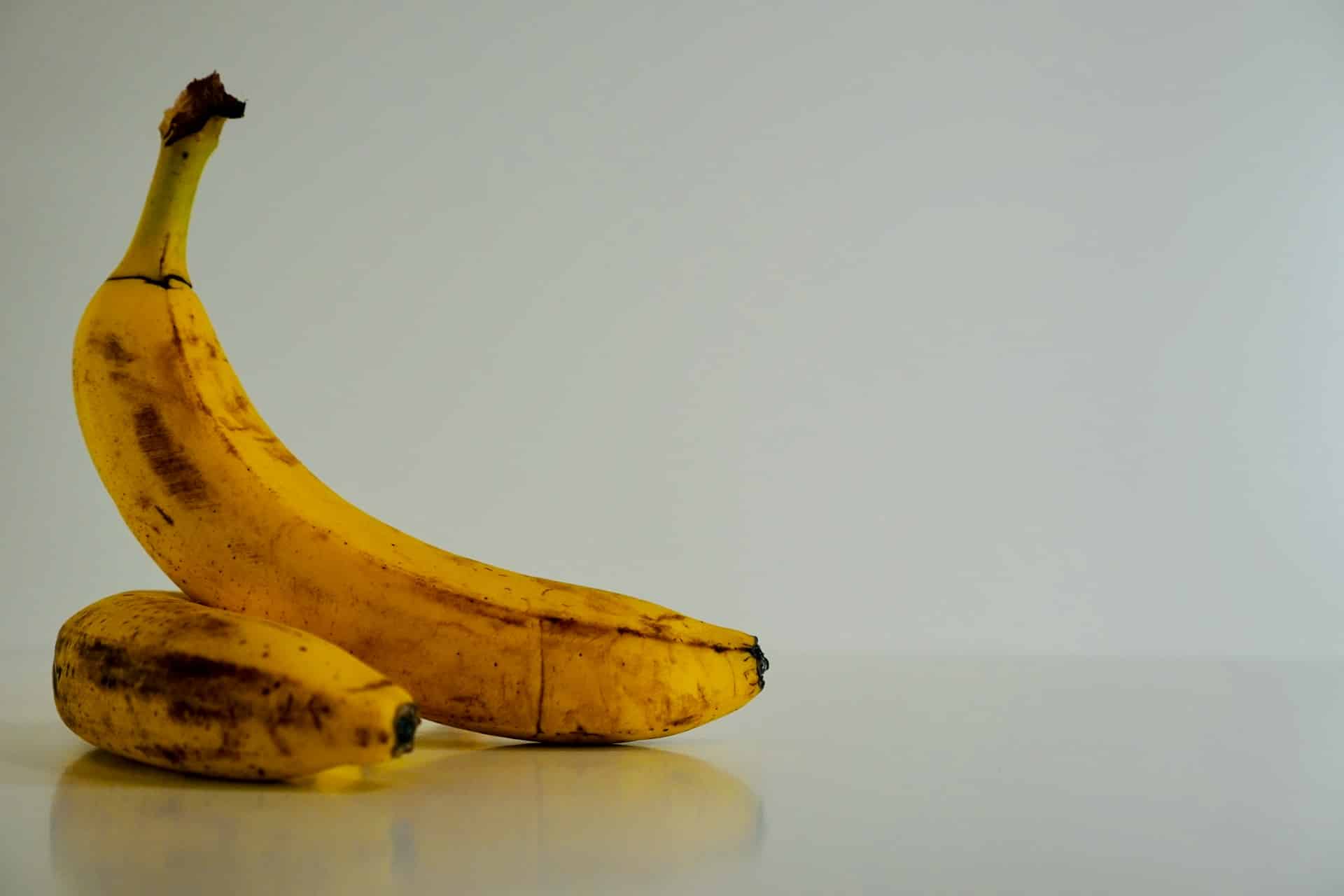
There isn’t a one-size-fits-all answer to when you should eat bananas, but understanding their impact on your energy levels, digestion, and appetite can help you make a smart choice based on your personal goals. Whether you want an energy boost for your workout, improved digestion, or you’re eyeing weight loss, the timing of your banana consumption can play a role.
Best Time for Energy
If you find yourself needing a pick-me-up during the day, bananas can be your go-to source of quick energy. You might want to consider munching on one at these key times:
– Before Working Out: Eating a banana just before you hit the gym can give you the energy to power through your workout. The natural sugars it contains—along with carbohydrates—can provide you with that much-needed burst.
– At Breakfast: Starting your day with a banana can help fuel your morning activities and set a positive tone for the rest of the day. Pair it with oatmeal or yogurt for a balanced breakfast.
– Midafternoon: Slumping around 3 PM? Grab a banana to counteract that afternoon energy dip. It’s a simple way to reinvigorate your focus and motivation without reaching for that candy bar.
Bananas are typically around 80% carbohydrates—which is fantastic since carbohydrates are broken down into sugar for immediate energy. So if you’re planning an activity, try to time your banana consumption about 15 to 30 minutes beforehand. This way, your body has enough time to digest, absorb, and raise your blood sugar levels for the energy boost you need.
Best Time for Digestion
Now, when it comes to digestion, bananas are your friend at pretty much any time of day. However, they may be particularly beneficial when incorporated into your meals.
– At Mealtime: Adding a banana to your breakfast or lunch can aid digestion. Thanks to their fiber content—around 3 grams per medium-sized banana—they add bulk to your stool and help things move smoothly through your digestive tract. Fiber is essential for keeping things regular and feeling comfortable.
If you’re curious about the ripeness of your banana, consider that unripe ones are rich in resistant starch, which can help feed the good bacteria in your gut, supporting gut health. So, if you’re enjoying a banana during a meal, consider its stage of ripeness for maximum digestive benefits.
Interestingly, there’s an age-old belief from Ayurveda suggesting you shouldn’t eat bananas before bed, linking them to mucus and slow digestion. Yet, it’s worth noting that there’s no strong scientific evidence to back up this claim.
Best Time for Weight Loss
For those of you on a weight loss journey, bananas can actually align well with your goals if consumed wisely.
– Before Meals: Having a banana about 30 minutes before a meal can help you feel fuller and discourage overeating. It’s like giving your stomach a little heads-up that food is coming, helping you be more mindful during mealtime.
– As a Snack: At only about 105 calories for a medium-sized banana, it’s a low-calorie choice that still satisfies your sweet cravings, helping you steer clear of more calorie-dense snacks.
– Before Working Out: Bananas can also be key for your workout routine. Eating one before exercising may give you the boost to push harder, which in turn can help with burning more calories overall.
The fiber in bananas is a significant contributor to weight loss, aiding in a feeling of fullness, which can reduce overall food intake. Opt for unripe bananas if weight loss is your primary objective, as they have a higher fiber content than their ripe counterparts.
While bananas are often demonized for their carbohydrate content, it’s important to remember that they’re a vital source of energy for our bodies. They can serve to fuel your workouts—research shows that having a banana during cycling can lead to quicker times and better recovery than just sipping water.
Engaging in exercise paired with mindful eating—like including bananas—can be an effective pathway to losing weight.
Banana Nutrition
By recognizing how and when to enjoy bananas, you can tap into their benefits for energy, digestion, and even weight management. So next time you reach for this delicious fruit, think about what you want to achieve—there’s more to that banana than meets the eye!The nutrition profile of a banana is fascinatingly dynamic; it changes as the fruit ripens. When bananas are unripe, they are packed with fiber and relatively low in sugar. In contrast, as they become ripe, that fiber content decreases while their sugar content increases. This natural transformation can impact not only how we enjoy bananas but also how they fit into our nutritional needs.
When considering the best moments to indulge in a banana, there are a few key times that can truly benefit you.
- After a Workout: If you’ve just finished a tough workout, a banana can be an excellent post-exercise snack. It’s not just about satisfying your hunger; bananas help replenish nutrients and electrolytes you may have lost through sweat. They offer quick energy and essential potassium, making them a perfect choice when your body craves recovery.
- With Vitamin B12: For those taking vitamin B12 supplements, pairing them with a banana can be beneficial. High doses of B12 can reduce potassium levels in your body, but bananas are rich in potassium. So, enjoying a banana along with your B12 can help keep that balance intact.
- Before Bedtime: Struggling with sleep? Bananas might be part of the solution. They contain magnesium, tryptophan, and vitamin B6—nutrients linked to improved sleep quality. Integrating a banana into your evening routine can be a simple yet effective way to help you relax and drift off more easily.
However, while bananas have numerous benefits, it’s important to recognize some potential downsides.
Blood Sugar Concerns: Bananas are high in carbohydrates and sugars, which can lead to spikes in blood sugar. This might come with some uncomfortable symptoms, like blurry vision, fatigue, or excessive thirst. However, eating a banana occasionally isn’t likely to cause drastic changes in your blood sugar, especially since they also contain fiber. Nonetheless, consuming several ripe bananas at once or doing so on an empty stomach could increase the risk of a spike.
Who Should Exercise Caution: While bananas are a beloved fruit worldwide, there are certain groups of people who may need to be cautious:
– Allergies: If you’re allergic to bananas, it’s best to avoid them entirely.
– Diabetes: Those living with diabetes may need to limit how many bananas they consume due to the potential impact on blood sugar levels.
– Kidney Disease: People with moderate to severe kidney conditions should discuss their banana intake with a healthcare provider, as high potassium levels can be a concern.
– Migraines: If you’re prone to migraines, monitoring your banana consumption might be wise. Some individuals find that bananas can trigger headaches, so limiting to small amounts may help.
In summary, here are some key takeaways to keep in mind:
– Eating a banana 15 to 30 minutes before a workout can deliver a much-needed energy boost.
– Incorporating a banana before meals can help you feel fuller, which may prevent overeating.
– They’re low in calories and can serve as a great snack to fight that mid-afternoon slump.
Bananas are more than just a snack; they’re a source of energy, nourishment, and comfort. By understanding how to incorporate them into your diet, you can truly appreciate their benefits while also being mindful of any health considerations.
Image Source: Unsplash