











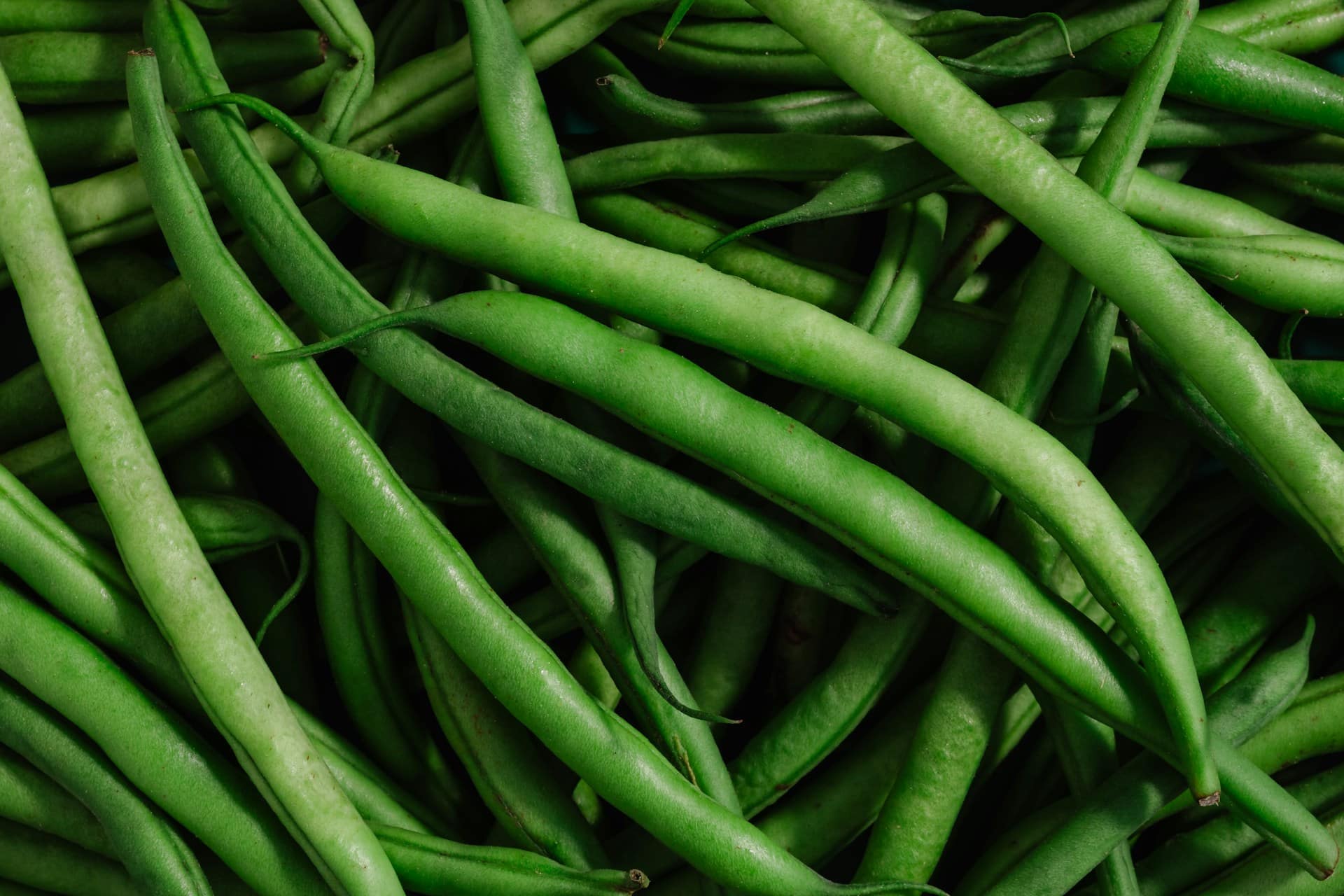
Green beans are more than just a simple side dish; they’re a powerhouse of nutrients that can have a significant impact on your health. Whether you’re enjoying them fresh, frozen, or canned, green beans are a great way to add flavor, color, and nutrition to your meals without piling on the calories.
Protects Bone Health
One of the standout benefits of green beans is their impressive vitamin K content. This essential vitamin is vital for bone health—without enough vitamin K, you run the risk of osteoporosis and weakened bones over time. Just one serving of green beans provides more than 20% of your daily recommended intake of vitamin K, along with calcium, which works hand-in-hand to build and maintain strong bones. So, if you’re concerned about your bone density, incorporating green beans into your diet can be a smart move.
Aids Weight Management
If you’re looking for a way to manage your weight without feeling deprived, green beans are your ally. They’re low in calories—just 31 calories per cup—and packed with fiber that keeps you feeling full longer. This means you can satisfy your hunger without overloading on calories. With a host of vitamins and antioxidants, they can be easily added to almost any dish, making it easier to stick to your health goals without sacrificing flavor.
Protects Gut and Digestive Health
For those struggling with digestive issues, green beans can be a gentle friend. They are low-FODMAP, making them suitable for people with conditions like irritable bowel syndrome (IBS) or Crohn’s disease. Their fiber content also helps promote a healthy gut environment, stabilizing blood sugar levels and keeping you feeling satisfied for longer stretches. If you’ve ever dealt with a bloated belly after meals, green beans might be just what you need to help restore balance.
Improves Heart Health
Heart health is something we should all prioritize, and green beans could play a significant role in that. Packed with potassium and folate, they help regulate blood pressure and support overall heart function. The soluble fiber found in green beans can also help reduce “bad” LDL cholesterol levels. Experts agree that cooking them in heart-healthy oils, like olive oil, is the best way to enhance their benefits, while fresh varieties beat out canned options that often come with unnecessary sodium.
Maintains Eye Health
Our eyes deserve special attention as we age, and green beans contribute to maintaining good vision. With about 15% of your recommended daily intake of vitamin A and up to 25% of vitamin C in a serving of uncooked green beans, they’re instrumental in eye health. Research even suggests that regular intake of folate, found abundantly in green beans, may reduce the risk of age-related macular degeneration, an important consideration for anyone looking to protect their eyesight.
Helps with Pregnancy
If you’re expecting or planning to be, green beans can be a key ingredient in a healthy pregnancy diet. They contain essential B vitamins like folate, riboflavin, and thiamine, which help to support both mother and baby. Just one cup gives you a significant portion of the folate you need, which is vital for reducing the risk of congenital abnormalities. Research indicates adequate folate intake can dramatically lessen the risk of conditions like spina bifida, making green beans a nutritious choice for pregnant individuals.
Reduces Depression Symptoms
Mental health is just as important as physical health, and the folate found in green beans can help support mood regulation. By lowering levels of homocysteine, an amino acid that can disrupt hormones responsible for mood, sleep, and appetite, green beans may play a supportive role in managing depression. Some studies suggest that adequate folate intake can even assist in treating depression when used alongside other treatment methods, making regular consumption of green beans a potentially valuable addition to your diet.
May Aid Anemia
For those dealing with anemia, green beans offer a beneficial boost. Their iron content is essential for producing healthy red blood cells, which transport oxygen throughout your body. A lack of iron can lead to fatigue, weakness, and other concerning symptoms. Integrating green beans into your diet can help increase your overall iron intake, providing a path to feeling more energetic and vibrant.
Incorporating green beans into your meals is effortless; whether tossed in a stir-fry, steamed as a side, or even blended into a smoothie, the culinary possibilities are endless. So the next time you’re at the grocery store, consider adding a bag of green beans to your cart and enjoy the myriad health benefits they offer!Opting for green beans as part of your meals can be a delicious way to boost your iron levels, which is crucial for preventing issues like fatigue and weakness. Iron is an essential nutrient that our bodies need to produce hemoglobin, a protein in red blood cells responsible for transporting oxygen. Including green beans in your diet is not just about iron; they also bring a wealth of other benefits that can contribute to your overall health.
May Help Prevent Cancer
Green beans pack a powerful punch when it comes to cancer prevention. They are rich in antioxidants, compounds that help protect your cells from damage linked to cancer. Some research suggests that regularly including green beans in your diet might lower the risk of various cancers such as colon, breast, and prostate cancer. While these findings are promising, it’s important to note that more research is needed to establish a solid connection.
Incorporating green beans into your meals is super easy! You can toss them into scrambled eggs or flavorful omelets, mix them into vegetable soups, or use them in vibrant salads. They’re delicious roasted with a drizzle of olive oil or air-fried for a crispy treat. For a quick snack, try them raw with a tasty dip like hummus.
Nutrition Facts
When it comes to nutrition, green beans are a hidden gem. Just one cup contains:
– Calories: 31
– Fat: 0.2 grams
– Carbohydrates: 7 grams
– Fiber: 2.7 grams
– Sugar: 3.3 grams
– Protein: 1.8 grams
– Sodium: 6 milligrams
– Vitamin C: 12.2 milligrams
– Iron: 1 milligram
– Potassium: 211 milligrams
– Vitamin B6: 0.1 milligrams
– Vitamin A: 35 micrograms
– Vitamin K: 43 micrograms
– Folate: 33 micrograms
With such low calories and high nutrient density, green beans are a smart choice for anyone looking to make healthy eating a priority.
Who Should Avoid Eating Green Beans?
For most healthy adults, green beans are a great addition to your diet. However, some individuals might need to tread carefully. If you have high blood pressure, it’s best to avoid canned green beans due to their often high sodium content; instead, look for low-sodium options or fresh beans that pack a nutritious punch without the added salt.
Additionally, if you’re taking blood-thinning medications like warfarin (Jantoven), you should consult your healthcare provider before munching on these green delights. The vitamin K in green beans plays a key role in blood clotting and could potentially interfere with the effects of your medication. Lastly, while it’s rare, anyone with a known allergy to green beans should certainly avoid them.
Key Takeaways
Green beans are not only low in fat but also rich in essential nutrients like vitamins A, C, K, and fiber. Incorporating these vibrant vegetables into your meals could support key areas of your health, including heart health, bone strength, weight management, mental wellbeing, and even disease prevention.
That said, if you have specific health concerns like high blood pressure or if you’re on blood thinners, it’s always a good idea to talk to your doctor before making any significant changes to your diet.
Image Source: Unsplash