













Your body fat percentage is more than just a number; it’s a vital aspect of your health and fitness journey. Whether you’re an athlete striving for peak performance or someone simply looking to improve your overall wellness, understanding where you stand in terms of body fat can open doors to better physical capabilities and long-term health. It’s about more than just how you look in the mirror—it affects your energy levels, affects your strengths, and shapes your daily life.
Professional athletes, along with fitness enthusiasts, often utilize advanced body fat scan testing to keep a close eye on their body fat levels. This proactive approach helps in crafting personalized workout regimes and nutritional plans that cater to their specific goals, be it building lean muscle, enhancing performance in sports, or maintaining a healthy body.
More than an aesthetic aspect, maintaining your body fat within a healthy range supports crucial functions in your body— hormones need regulation, your immune system requires balance, and your heart can stay healthy only if you manage your body fat well. There’s a delicate balance to strike: too little body fat can hinder essential bodily functions, while excess fat can lead to a variety of health risks and performance limitations.
Understanding Body Fat Percentage
At its core, body fat percentage indicates how much of your total body mass is made up of fat. This measurement serves as a critical metric for anyone looking to assess their health and create a thoughtful fitness plan. Healthy ranges vary for men and women, and it’s important to dig deeper than just the numbers on a scale.
The Science of Body Composition
Fat plays an essential role in our bodies. It cushions our organs, acts as a store of energy, and helps regulate body temperature. There are two types of fat to be aware of: essential fat, which supports your fundamental bodily functions, and storage fat, which serves as reserve energy.
For men, a healthy body fat percentage typically falls between 10% and 20%. Women usually require a bit more, landing in the range of 20% to 30% to support reproductive health and other crucial bodily functions. The way fat is distributed in your body is just as important—visceral fat, which lives around your organs, poses a greater health risk than subcutaneous fat found just beneath your skin.
Methods of Measuring Body Fat
If you’re curious about your body fat percentage and wondering the best way to measure it, there are several methods available:
– DEXA Scans: These provide precise measurements using low-dose X-rays to differentiate between fat, muscle, and bone.
– Hydrostatic Weighing: This method measures body density through water displacement and is often viewed as a gold standard.
– Bioelectrical Impedance: Devices that send harmless electrical signals through your body can effectively estimate body fat percentage. These include smart scales and handheld units.
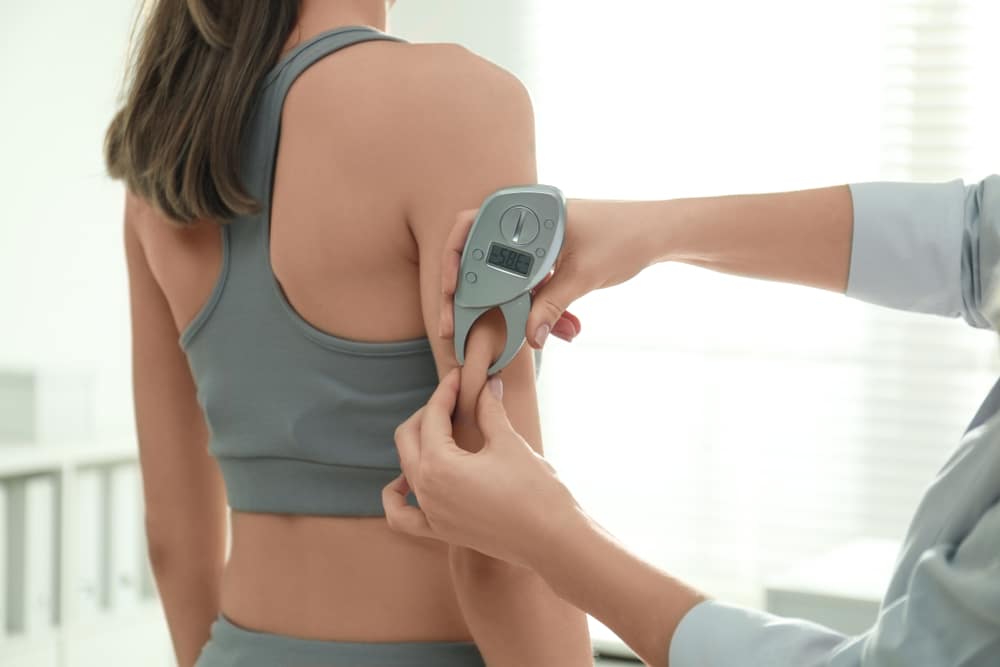
– Skinfold Measurements: When performed by professionals with calipers, this practical method can give you a good estimate of your body fat.
For those looking for more advanced testing, you might explore options like MRI, CT scans, or air displacement plethysmography (Bod Pod).
Impacts on Health and Fitness
Understanding your body fat percentage can have significant implications for your health. It not only influences how you feel but also how efficiently your body operates.
Risks of High Body Fat Percentage
Let’s face it: carrying excess body fat can have serious consequences. Individuals with higher body fat percentages are at a greater risk for issues such as cardiovascular disease, type 2 diabetes, and certain cancers. Visceral fat, in particular, is a troublemaker. It doesn’t just sit there; it releases inflammatory compounds that can disturb insulin sensitivity and hormone balance.
The ramifications of elevated body fat can include:
– Increased risk of high blood pressure and stroke
– Potential for fatty liver disease
– Sleep apnea and difficulties with breathing
– Higher susceptibility to osteoarthritis
– Mental health challenges
Healthy Body Fat Ranges and Fitness
For optimal health, men typically do well at 10%-20% body fat, while women should aim for around 20%-30%. Athletes often target even lower ranges to boost performance. Think about how body composition affects:
– Muscle definition and strength
– Endurance
– Daily energy levels
– Mobility
– Overall athletic performance
Not just the percentage, but where this fat is distributed matters. Subcutaneous fat has less impact on health than visceral fat, which lurks around your organs.
Strategies for Maintaining Optimal Body Fat
How can you maintain a healthy body fat percentage? A combination of regular exercise and good nutrition is your best bet.
Incorporate a mix of strength training and cardiovascular activities into your routine. Resistance training is a fantastic way to build lean muscle, while high-intensity interval training (HIIT) can effectively torch those fat reserves.
Pair your exercise with a balanced diet that includes:
– Lean protein sources
– Whole grains
– Plenty of fruits and vegetables
– Healthy fats
Don’t underestimate the role of sleep and stress management either. Both can deeply affect hormone regulation and help keep your body fat in check.
Tracking progress is also essential. Regular body fat measurements through methods like bioelectrical impedance analysis, skinfold measurements, DEXA scans, or even body fat scales can help guide you along your fitness journey.
Conclusion
Keeping an eye on your body fat percentage could be a game changer for your health and fitness goals. By regularly monitoring your levels and adopting proper nutrition and exercise strategies, you can make significant strides in your cardiovascular health, athletic performance, and overall well-being.
Understanding and managing your body fat is paramount—whether you’re pushing for peak athletic performance or simply aiming for better health outcomes. Finding that sweet spot of body fat can lead to improved bodily functions, lower health risks, and an enhancement in your physical capabilities, making you feel both better and stronger. Remember, it’s not about perfection; it’s about progress and taking steps toward a healthier you.