













The discussion surrounding the healthiest cooking oils often feels overwhelming, right? With so many options like olive oil, canola oil, coconut oil, and avocado oil popping up everywhere, it’s only natural to be confused about which one to trust. While personal preference can play a role in your choice, one thing is certain: every cooking oil has an expiration date, and some oils can spoil much faster than you might expect.
Understanding how to properly store oils and knowing their shelf lives can significantly boost your cooking experience and food quality. We consulted with an expert to unravel the mysteries behind the longevity of cooking oils, ensuring you can maintain that kitchen cupboard full of liquid gold while preventing any unwanted waste.
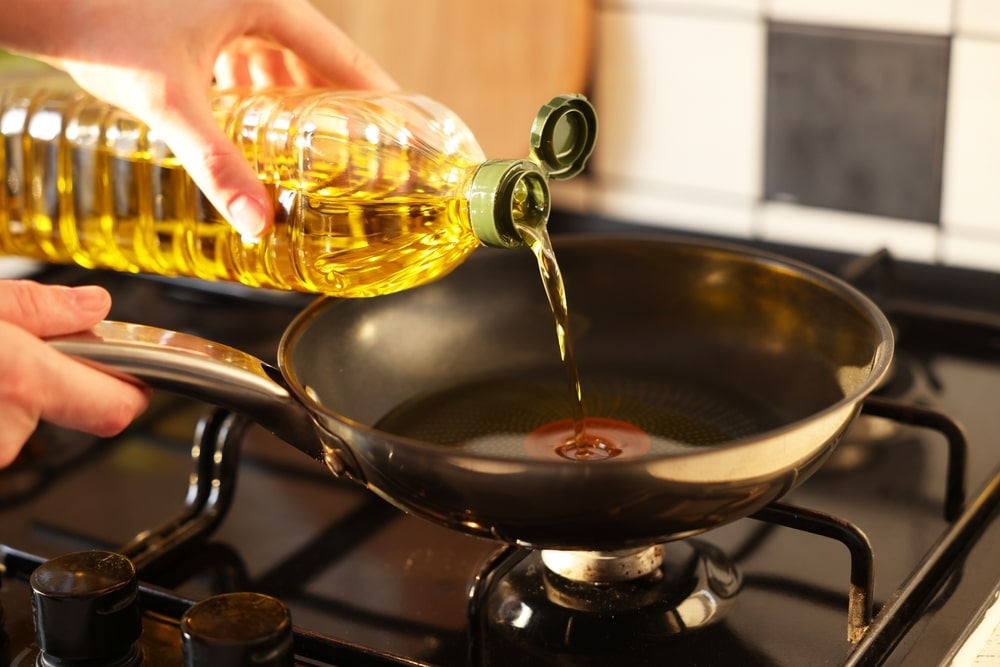
So, what exactly qualifies as cooking oils? Well, according to Carrie Gabriel, a registered dietitian and the brains behind “The Homecooking Dietitian,” cooking oils are essentially plant or animal-based liquid fats. These oils play a crucial role in enhancing your meals by adding flavor, moisture, and even that desirable crispy texture that everyone loves. The type of oil you choose will greatly depend on the source of its fat, which influences its behavior during the cooking process.
Now, let’s talk about smoke points—the temperature at which an oil begins to break down and produce smoke. You may have noticed that reaching this point affects your food’s taste, resulting in a bitter or burnt flavor. To keep your meals tasting their best, it’s essential to know each oil’s smoke point. It varies by type, so be mindful of how you heat them.
When it comes to shelf life, every cooking oil is different. Carrie emphasizes that unopened bottles will last much longer than those already cracked open. Once exposed to air, light, or moisture, oils are at risk of oxidizing, which can shorten their shelf life. Here’s a breakdown of how long you can expect each type of oil to last:
– Ghee: About 1 year
– Olive Oil: Around 1 year
– Coconut Oil: Also roughly 1 year
– Peanut Oil: Usually lasts between 6 to 12 months
– Sesame Oil: Best used within 6 to 8 months
– Avocado Oil: Similar to sesame at 6 to 8 months
– Walnut Oil: 3 to 6 months
– Hemp Seed Oil: 3 to 6 months
– Pumpkin Seed Oil: 3 to 6 months
– Flaxseed Oil: 1 to 3 months
– Butter: Best consumed within 1 month
To extend the life of your cooking oils, proper storage is key. Most oils thrive when kept in dark-colored glass bottles, which help protect them from light exposure that can accelerate spoilage. While that trendy clear squeeze bottle you snagged from your favorite sauce might be appealing, it’s only a smart idea if you plan on using it soon—you want to avoid compromising its quality!
For oils like olive oil, coconut oil, and avocado oil, room temperature is the way to go. On the other hand, sesame oil does best in the fridge. It’s also wise to keep delicate oils, like flaxseed and walnut, refrigerated to maintain their optimal freshness.
Lastly, be mindful of signs of rancidity. If you notice your oil giving off a sour, bitter, or off smell, it’s a warning sign that it’s time to toss it. Losing an oil bottle isn’t anyone’s favorite thing, but it’s better than risking an unpleasant cooking experience.
By being proactive about how you store your cooking oils and understanding their shelf lives, you can make sure that you’re cooking with ingredients that are fresh and flavorful, adding the best possible taste to your meals. And in the busy world we live in, who wouldn’t want that added assurance in their kitchen?