















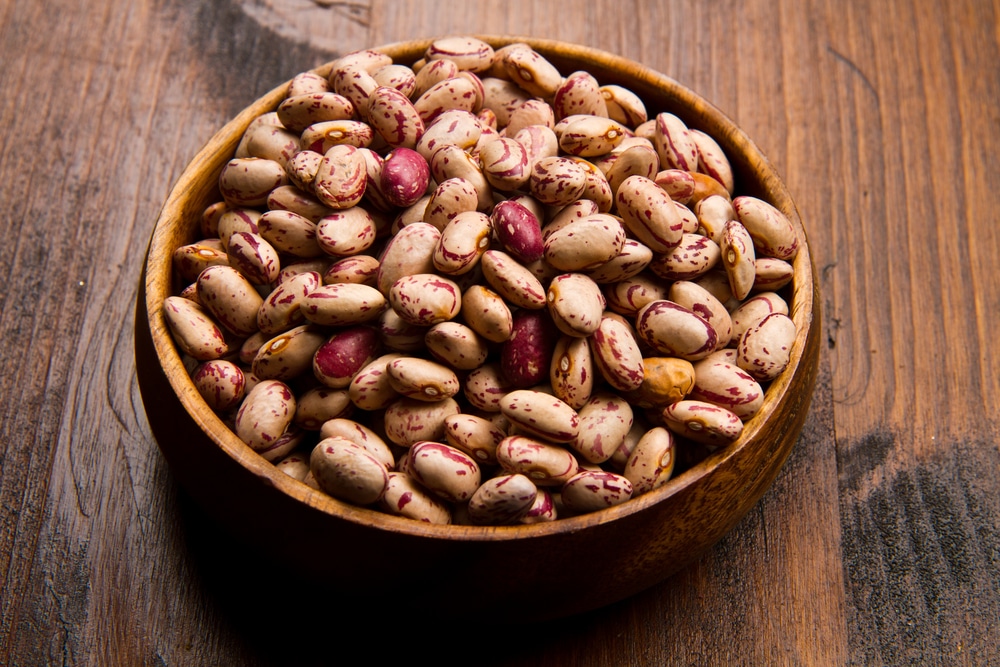
When it comes to beans, many that are health-conscious often find themselves choosing between canned and dried varieties. While both options deliver similar core nutritional benefits, subtle differences exist that may influence your choice in the kitchen.
Dried Beans Offer Slight Nutritional Advantages
According to nutrition experts, dried beans often contain slightly more nutrients compared to their canned counterparts. Both are recognized for being excellent sources of plant-based protein, fiber, potassium, magnesium, iron, and folate.
However, they do exhibit minor nutritional distinctions that may be significant for some eaters.
| Nutritional Comparison | ||
|---|---|---|
| Dried Pinto Beans (100 g) | Canned Pinto Beans (100 g) | |
| Fiber | 9 g | 7 g |
| Potassium | 436 mg | 210 mg |
| Sodium | 0 g | 200 mg |
| Magnesium | 50 mg | 27.5 mg |
Canned Beans Typically Have Higher Sodium Levels
One of the most significant differences between dried and canned beans is their sodium content. Canned beans often have added sodium, which could be a concern for those monitoring their salt intake.
To mitigate sodium levels, look for ‘no salt added’ options or simply rinse and drain standard canned beans. Rinsing can effectively reduce sodium by approximately one-third.
Both Options Support Gut and Heart Health
Despite their differences, both canned and dried beans provide substantial benefits for heart and gut health. Each variety is rich in soluble fiber, which can help in lowering LDL cholesterol levels and stabilizing blood sugar.
Furthermore, they both support satiety and weight management due to their high protein and fiber content, and their potassium and magnesium levels contribute positively to blood pressure regulation.
Dried Beans Can Be Gentler on Digestion
For those who may experience digestive discomfort, dried beans can prove to be a more suitable option. The soaking process prior to cooking can help eliminate certain carbohydrates that lead to gassiness.
Soaking beans allows these troublesome carbohydrates to leach into the water. It’s recommended to discard this soaking water and use fresh water for cooking to minimize digestive issues.
Canned Beans Provide Immediate Fiber for Meals
A major advantage of canned beans is their convenience. They can be ready in mere minutes, making them an ideal choice for quick meals.
In contrast, dried beans require significant preparation time, needing anywhere from 60 to 120 minutes on the stovetop (unless pre-soaked) or about 30 to 45 minutes in a pressure cooker. This convenience makes canned beans a time-saving resource for busy schedules.
Their ease of use means that anyone can quickly incorporate beans into their diets, maximizing both nutrition and convenience.