














Health isn’t just about diet, exercise, and sleep. It’s also about an often-overlooked element: blood circulation. Proper blood flow is essential; it delivers oxygen and crucial nutrients throughout the body, enabling every system to perform optimally. If circulation is compromised, even the best wellness efforts can fall flat. It’s crucial to weave vascular health into our everyday discussions of fitness and wellness.
Understanding the Circulatory System
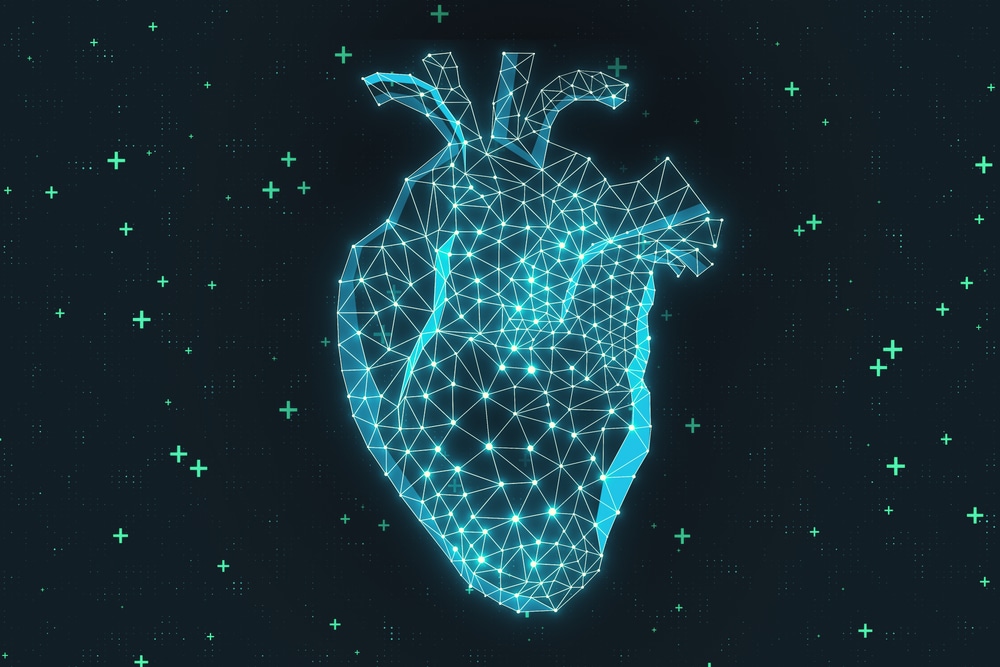
The circulatory system is far more complex than just a heart pumping blood. It includes an intricate network of arteries, veins, and capillaries responsible for transporting vital substances to tissues and organs. Arteries carry oxygen-rich blood away from the heart, while veins return deoxygenated blood back. Capillaries act as the tiny gateways for nutrients and oxygen exchange at the cellular level.
Efficient circulation ensures cells receive what they need to generate energy, heal, and function well. Conversely, poor blood flow can lead to fatigue and inflammation in tissues, delaying recovery. Left unchecked, inadequate circulation can contribute to chronic health issues that compromise quality of life.
The Role of Circulation in Energy and Vitality
Consistent energy levels are often a clear indicator of strong circulation. Every cell requires oxygen for efficient energy production. Reduced blood flow leads to less energy, manifesting as fatigue or brain fog, making workouts feel daunting.
On the flip side, good blood circulation supports oxygen delivery to muscles and the brain, enhancing physical performance and focus. A well-functioning vascular system is vital for maintaining energy and promoting faster post-workout recovery, illustrating that circulation plays a pivotal role in holistic well-being.
Connecting Circulation to Immune Health
The immune system is heavily reliant on circulation. White blood cells and antibodies traverse the bloodstream, actively seeking infection and illness. Sufficient blood flow allows these cells to function effectively, which in turn helps the body recover from illness more swiftly.
Inflammation also plays a significant role. Chronic inflammation can damage blood vessels, narrowing their pathways and restricting blood flow. Disrupted circulation further amplifies inflammation, creating a troubling cycle that affects multiple organ systems. By maintaining healthy blood flow, you can combat this cycle and bolster both immune resilience and overall health.
Impact of Circulation on Brain Function
The brain—despite its small size—utilizes around 20% of the body’s oxygen. Thus, any circulation issues can impair cognitive functions such as clarity, memory, and mood stability. Chronic vascular issues can even increase the risk of neurological disorders.
Optimal circulation provides essential oxygen and glucose to brain cells, supporting mental sharpness and emotional balance. This explains why cardiovascular activities are often associated with enhanced mood and reduced stress; they promote blood circulation throughout the body and brain alike.
Recognizing Signs of Poor Circulation
Circulation problems often develop gradually, but they do present clear warning signs. Symptoms such as cold extremities, swelling in legs, numbness, and slow-healing wounds may suggest decreased blood flow. Visible issues like varicose veins or spider veins indicate that circulation isn’t operating as it should.
Ignoring these signs may allow initial vascular concerns to escalate. Consulting with qualified professionals can help prevent complications and restore healthy circulation. If you have persistent leg pain or visible vein issues, consider seeking guidance from Vein Specialists in Wayne for effective solutions targeting the root of your circulatory challenges.
Lifestyle’s Influence on Circulation
Modern lifestyles can either enhance or hinder circulation. Prolonged sitting—common in many work settings—can impede blood flow to the lower extremities, resulting in swelling or reduced vein performance. Incorporating regular mini-breaks, stretches, and walks can significantly boost circulation.
Your diet also plays a crucial role. A diet rich in fruits, vegetables, whole grains, and healthy fats helps combat inflammation and promotes flexible blood vessels. Staying well-hydrated ensures blood viscosity remains optimal, allowing for ease in circulation.
One of the best ways to enhance circulation is through physical activity. Engaging in exercises like brisk walking, swimming, cycling, and yoga promotes blood movement while strengthening your heart. Weightlifting, too, effectively aids venous return, as muscle contractions push blood back toward the heart.
The Importance of Vein Health for Overall Well-being
Discussions about cardiovascular health often overlook veins, though they are crucial for returning blood to the heart against gravity. Particularly in the lower body, veins rely on small valves to prevent blood from flowing backward. If these valves are weakened or damaged, blood can pool, leading to varicose veins and chronic venous insufficiency.
Venous issues can result in discomfort, heaviness, and swelling in the legs. Beyond aesthetic concerns, untreated venous disease can cause skin changes or even ulcers. Acknowledging vein health as essential for preventing more severe problems can lead to better overall health. Recent advancements in minimally invasive procedures offer relief for those dealing with vein disease while promoting healthy circulation.
Connection Between Circulation and Skin Health
Proper blood flow significantly influences skin health. The delivery of oxygen and nutrients encourages collagen production and cell regeneration, contributing to glowing skin. Conversely, poor circulation can lead to a dull complexion, dryness, and slow healing of wounds.
Activities like massage, exercise, and hydration can enhance circulation and, in turn, improve skin health. These aspects showcase how circulation affects both internal wellness and external beauty, highlighting its significance in overall well-being.
Stress, Hormones, and Vascular Function
Chronic stress subtly yet profoundly impacts circulation. Elevated stress hormones can constrict blood vessels, increasing pressure within them and endangering cardiovascular health. Prolonged stress can lead to vascular inflammation and reduced elasticity in blood vessels.
Practicing mindfulness, deep breathing, and ensuring quality sleep can help regulate stress responses, allowing blood vessels to relax and function properly. Supporting mental well-being is directly connected to ensuring healthy circulation.
Prevention as a Long-Term Approach
Proactively maintaining circulation is essential. Early detection through screenings, blood pressure monitoring, and understanding family history can identify future risks. Simple daily actions, like choosing stairs over elevators or standing while on the phone, can accumulate significant long-term benefits.
For individuals at higher risk of venous issues, especially those who stand or sit for long periods, wearing compression garments may be beneficial. These aids support vein function and alleviate symptoms, contributing to long-term vascular health.
The Foundation for Lifelong Wellness
Circulation is more than a random health concern; it is a fundamental aspect of well-being. It underpins energy levels, cognitive clarity, immune function, and physical strength; it connects multiple body systems and enhances functional capacity. Every organ relies on proper circulation for optimal performance.
Issues that arise in blood flow can manifest in various ways, from fatigue to changes in skin appearance. Understanding circulation as the foundation of overall health can motivate you to take actionable steps to support and improve blood flow throughout your body.
Today’s healthcare emphasizes prevention and early intervention. By embracing lifestyle changes or seeking professional guidance when necessary, you can maintain healthy circulation, ensuring you remain active, independent, and vibrant as time goes on.
Final Thoughts
Circulation is the core of comprehensive health. It facilitates nutrient and oxygen delivery, enhances immune responses, supports brain function, and even influences energy levels and skin health. In our sedentary and often stressful lives, the state of our blood vessels is crucial.
By combining regular physical activity, balanced nutrition, stress management, and, when needed, professional assessments of symptoms, you can fortify the one system that sustains every part of your health: the circulatory system. True well-being originates from the steady flow of blood that nourishes each cell in your body and ensures they operate at their best.