















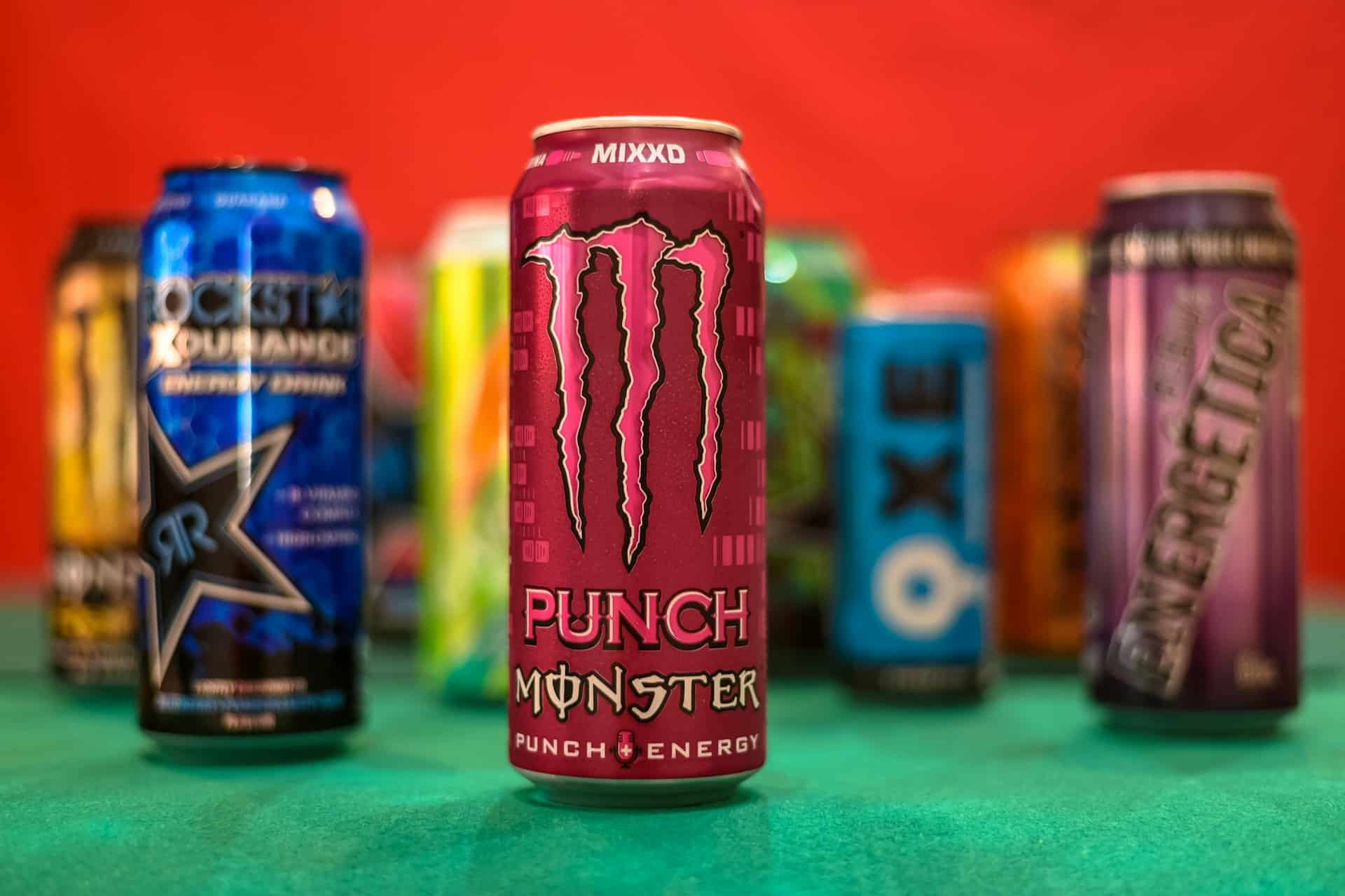
Drinking energy drinks often increases energy because they contain high levels of caffeine or other stimulant ingredients. Long-term consumption can cause unwanted adverse effects that can be dangerous to your health.
1. Your Heart Rate and Blood Pressure Increase
Energy drinks contain high levels of caffeine, which can lead to issues with heart function and the cardiovascular system, including heart palpitations and arrhythmias. Irregular heartbeats can also become permanent for someone who drinks many of these beverages.
It can also play a role in blood pressure. When a person drinks excess caffeine, blood pressure rises in the first two hours after consumption, causing stress on the cardiovascular system. Over time, consistent consumption of these drinks can induce hypertension.
Other Heart Events Associated With Long-Term Energy Drink Consumption
Though irregular heartbeats and high blood pressure are commonly associated with drinking a large quantity of energy drinks, other heart events have also been correlated, including:
2. You May Experience Anxiety, Insomnia, and Restlessness
The caffeine dosage often found in energy drinks is significantly higher than in other caffeinated beverages, which can disrupt mental health.
Consuming energy drinks increases anxiety and can cause difficulty sleeping.
In the long term, high consumption of energy drinks over a few months can cause prolonged and increased issues with mental health, including:
These effects can occur in people with or without existing mental health conditions.
3. Your Blood Sugar Spikes
Energy drinks often contain high levels of sugar or sweeteners. Consuming that much sugar can lead to a rapid rise in blood sugar levels, known as a blood sugar spike.
Recurring blood sugar spikes can repeatedly stimulate insulin production in the body and induce insulin resistance. When insulin resistance occurs, it increases the risk of developing type 2 diabetes.
4. You Pee More, Increasing the Risk of Dehydration
Caffeine increases urine production. When a person excretes too much liquid from the body in a short period, it can lead to dehydration.
Prolonged consumption of energy drinks can also lead to renal insufficiency, which occurs when the kidneys have more difficulty filtering waste from the blood.
5. Your Tooth Enamel May Start to Erode
Enamel, which is a hard substance that acts as a protective layer over the rest of your teeth, can become eroded or dissolved with high levels of energy drink consumption. Over time, this can increase the risk of cavities, tooth decay, and sensitivity.
6. Your Bathroom Habits Change
In the short term, caffeine consumption leads to more frequent bathroom visits and diarrhea. Long-term use can also irritate the stomach and intestines, which can lead to other adverse effects, including:
7. You Could Gain Weight
Because many energy drinks contain high levels of sugar and calories, excessive consumption can lead to weight gain over time. People who consume energy drinks may also be more likely to eat and drink other energy-dense foods and live more sedentary lifestyles, leading to an increase in weight.
How Much Caffeine Is Too Much?
According to the U.S. Food and Drug Administration (FDA), adults should consume no more than 400 milligrams (mg) of caffeine per day. However, “too much” caffeine may vary from person to person.
This chart demonstrates various types of energy drinks and their caffeine content per serving:
| Brand | Serving (ounces) | Caffeine Content (milligrams) |
| 5-Hour Energy | 1.9 | 208 |
| Monster Energy | 16 | 160 |
| Jolt Energy Drink | 23.5 | 280 |
| Red Bull | 8.4 | 80 |
| Bang | 16 | 300 |
| C4 Ultimate Energy | 16 | 300 |
| Celsius Essentials | 16 | 270 |
| Gatorade Fast Twitch | 12 | 200 |
| Prime Energy | 16 | 200 |
| Full Throttle | 16 | 160 |
| NOS | 16 | 160 |
| Rockstar | 16 | 160 |