

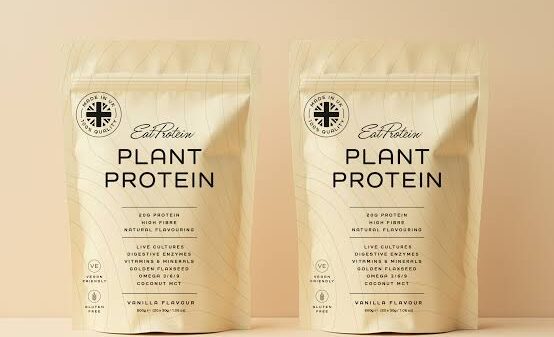













Even minor adjustments to your daily protein sources can have a profound impact on how your body ages. Research indicates that substituting just 1% of animal-based protein with plant-based alternatives is linked to a measurable decrease in age-related health deficits. This suggests that the quality of the protein we consume is just as vital as the quantity when it comes to maintaining long-term vitality.
The Impact of Minor Dietary Shifts on Longevity
A large-scale study involving more than 400,000 participants revealed that replacing 3% of total calories from animal protein with plant protein was associated with a 10% reduction in overall mortality risk. In practical terms, this relatively small dietary change could potentially add an entire year to a person’s life. Interestingly, egg protein—primarily found in egg whites—showed the strongest link to mortality risk in this data. Swapping 3% of calories from eggs for plant protein was associated with a reduction in mortality risk exceeding 20%, a figure even higher than the benefit seen when replacing red meat.
Defining Healthy Aging and Functional Vitality
Longevity is not just about the number of years lived, but also about the quality of those years. Healthy aging is defined by the maintenance of functional abilities that support independence and well-being in later life. High intake of vegetable protein has been shown to correspond with fewer functional impairments, better mental health, and a lower reliance on healthcare services. This “deficit accumulation” is significantly reduced even when plant protein replaces only 1% of animal protein. While animal products often carry saturated fats, studies suggests the benefits of plant protein persist even after accounting for fat intake, implying that the proteins themselves, or the phytonutrients packaged with them, play a protective role.
Whole-Food Nutrition vs. Processed Plant-Based Diets
It is important to distinguish between a general “vegan” diet and a whole-food, plant-based (WFPB) approach. A vegan diet simply identifies what is absent, which allows for the consumption of highly processed oils, sugars, and refined flours. In contrast, a WFPB diet focuses on nutrient-dense vegetables, fruits, and legumes. This nutritional strategy has been shown to aid in preventing and sometimes reversing chronic diseases. On a cellular level, these foods may contribute to more youthful skin and cellular health by maximizing antioxidant potential, lengthening telomeres, and preventing “gerontotoxins” from accumulating in the bloodstream.
Lessons from the Blue Zones: The Adventist Study
The benefits of these dietary habits are visible in real-world populations, such as the Seventh-day Adventists in Loma Linda, California. As one of the world’s original “Blue Zones,” this group boasts some of the highest life expectancies ever recorded. Vegetarian Adventist men and women live significantly longer than the average Californian—approximately 10 and 6 years longer, respectively. When combined with other healthy habits like regular exercise, maintaining a healthy weight, and avoiding smoking, these individuals can gain nearly a decade of additional life expectancy compared to those with less healthy lifestyles.
Protecting Cognitive Health and Reducing Dementia Risk
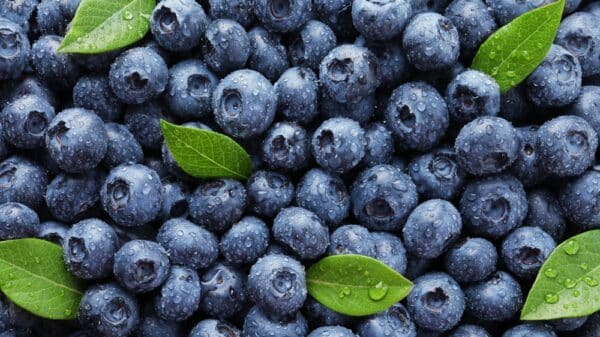
Cognitive decline and Alzheimer’s disease are among the most significant concerns associated with aging. Emerging evidence suggests that a diet rich in legumes, grains, fruits, vegetables, and nuts may reduce the risk of Alzheimer’s by more than half. The “MIND diet,” which specifically emphasizes leafy greens and berries while limiting meat and dairy, has shown remarkable results. High adherence to this protocol was linked to a 53% lower risk of Alzheimer’s, and even moderate followers saw a one-third reduction in risk. Furthermore, those who strictly followed these guidelines maintained cognitive function equivalent to individuals 7.5 years younger.
Inflammation, Oxidative Stress, and Gerontotoxins
Plant-based diets are naturally high in antioxidants, which protect body tissues from the inflammation and oxidative stress that drive chronic disease. In contrast, diets high in animal proteins and refined sugars can lead to increased secretion of stress hormones like cortisol, which may accelerate cognitive decline. Another factor is the presence of Advanced Glycation End products (AGEs), or gerontotoxins. These compounds are highest in meats that have been grilled, broiled, or fried. For instance, broiling a chicken breast can increase its AGE content ninefold compared to boiling it. Whole grains, beans, and fruits remain naturally low in these aging toxins, making them a safer choice for long-term health.
Summary of Strategies for Healthy Aging
While diet is a cornerstone of longevity, it works best alongside other healthy lifestyle choices. Adequate sleep, regular physical activity—such as daily brisk walks—and avoiding tobacco are all essential components in reducing the risk of dementia and other age-related conditions. To optimize your health as you age, focus on minimizing processed foods, added salts, and animal products while maximizing your intake of nutrient-dense plants, particularly leafy greens, beans, and antioxidant-rich berries. These evidence-based shifts can help ensure that your later years are defined by vitality and functional independence.