












The quest for the perfect sugar substitute has led to the development of what many call “fourth-generation” sweeteners. To understand where these new options like allulose fit in, it is helpful to look at how the sweetener industry has evolved. Initially, we relied on primary sweeteners like table sugar and high-fructose corn syrup. While inexpensive, these contributed significantly to the rise of chronic conditions such as obesity, type 2 diabetes, and metabolic syndrome.
Following these were the second-generation artificial sweeteners—the familiar colorful packets containing substances like aspartame or saccharin. Though calorie-free, they have faced scrutiny for potentially disrupting the gut microbiome and causing paradoxical metabolic issues. The third generation introduced sugar alcohols like sorbitol and erythritol, which offer fewer calories but are often associated with digestive discomfort and laxative effects. Now, rare sugars like allulose represent the latest attempt to provide a natural, sugar-like experience without the health drawbacks of previous generations.
Understanding Allulose: From Psicose to Modern Sweetener
Allulose was not always known by its current name. It was originally called “psicose,” named after the antibiotic from which it was first isolated. This clinical-sounding name eventually gave way to the more consumer-friendly “allulose,” a rebranding effort reminiscent of how rapeseed oil was transitioned to canola oil for better market appeal.
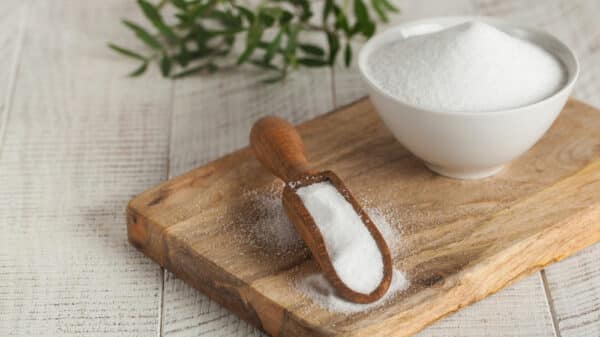
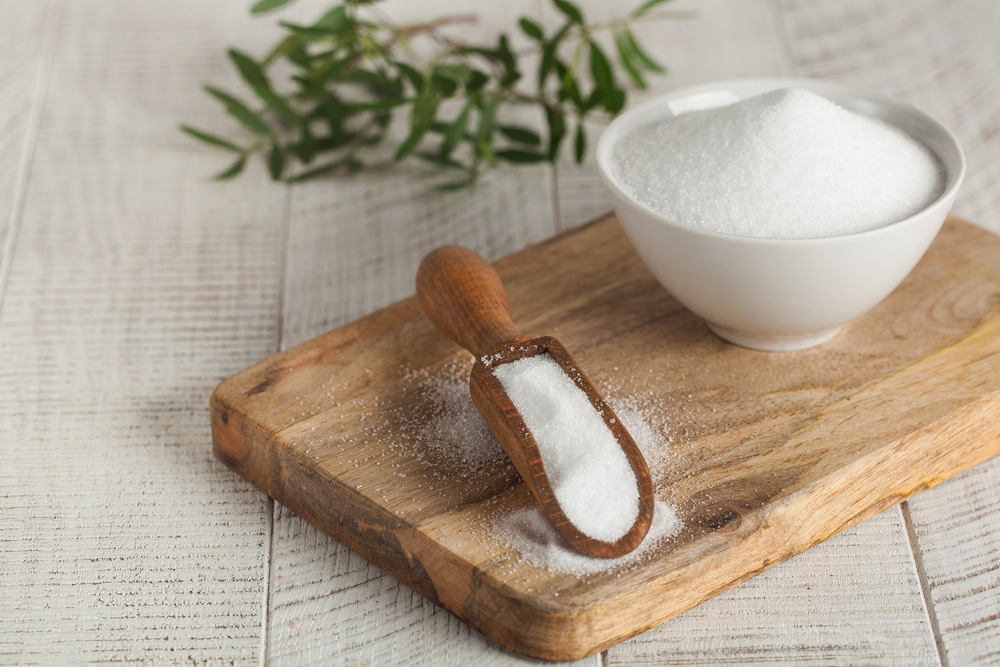
Biotechnologically, allulose is categorized as a “rare sugar” because it exists in very small quantities in nature. While it can be found in wheat, figs, and raisins, the allulose you find on store shelves today is typically produced through advanced enzymatic engineering. Using specialized microorganisms, manufacturers can convert fructose into allulose on a commercial scale. Despite this high-tech production method, it is chemically identical to the sugar found in nature, allowing it to be marketed as a natural alternative rather than a synthetic artificial sweetener.
The Regulatory Status and Safety Profiles of Rare Sugars
The U.S. Food and Drug Administration (FDA) has granted allulose “Generally Recognized as Safe” (GRAS) status. However, it is important to note that this designation was initially based on the consumption of very small amounts—often just a fraction of a teaspoon. In our modern food supply, allulose is sometimes created incidentally; for instance, when fructose is heated during the production of high-fructose corn syrup, small amounts of allulose can be formed. In rare cases, individuals have even reported allergic reactions, such as hives, after consuming processed foods where allulose was an unintended byproduct.
When evaluated for its physiological effects, allulose offers several advantages over traditional sugar. It is “tooth-friendly,” meaning it does not contribute to plaque buildup or cavities because oral bacteria do not metabolize it into acid. Furthermore, it has a negligible impact on blood glucose levels, making it a potentially safer option for individuals managing diabetes. While often labeled as zero-calorie, allulose actually contains about 1.5 calories per teaspoon—roughly the same as erythritol.
Animal Safety and Comparative Toxicity
One critical area of safety involves how sweeteners affect household pets. For example, the sweetener xylitol is notoriously toxic to dogs, where even a small amount can be fatal. Research indicates that allulose does not share this acute toxicity. In studies involving canines, moderate doses did not produce ill effects, and long-term observation even suggested a potential reduction in cholesterol levels for the animals. However, extremely high doses (over half a cup) could still lead to illness, so caution is always advised with pets.
Human Tolerance Levels and Gastrointestinal Impact
For humans, the primary concern with allulose is gastrointestinal tolerance. Because the body does not fully absorb it, high doses can lead to digestive upset. Studies have attempted to identify the “threshold dose” before symptoms become severe. Generally, most people can tolerate about 7 teaspoons in a single sitting without major issues. However, once that dose reaches 9 teaspoons or more, severe diarrhea is likely to occur.
On a daily basis, the upper limit for most adults is approximately 15 to 17 teaspoons, spread throughout the day. Exceeding this amount can lead to more systemic symptoms, including nausea, abdominal pain, and headaches. To put this in perspective, a single can of traditional soda can contain 10 to 20 teaspoons of sugar. This suggests that allulose is not an ideal one-to-one replacement for the massive amounts of sugar found in soft drinks, as the volume required to match that sweetness would likely trigger physical illness.
How Allulose Compares to Erythritol
When compared to other popular substitutes like erythritol, allulose has a slightly lower tolerance threshold. For example, an average-weight adult might be able to consume 14 to 15 teaspoons of erythritol at once without the same level of distress associated with a similar dose of allulose. However, allulose is often favored for its “cleaner” sugar taste and its functional properties in baking and cooking, where it behaves much more like real sugar than many other alternatives. Additionally, proponents of rare sugars suggest they may offer unique metabolic benefits that traditional sugar alcohols do not, though research into these “extra” functions is ongoing.
Summary of Allulose Safety and Usage
Allulose represents a significant step forward in the search for a functional, low-calorie sweetener that mimics the taste and texture of sugar. While it is naturally occurring and generally safe for both teeth and blood sugar management, it is not a “consequence-free” ingredient. Its safety is highly dependent on dosage; while small amounts used for sweetening coffee or tea are typically well-tolerated, using it in the high volumes found in processed snacks and beverages may lead to significant gastrointestinal distress. For the average consumer, allulose is best used in moderation, keeping single doses under 7 teaspoons and daily intake below 15 teaspoons to avoid adverse effects.